

Homemade Adobo Seasoning is a staple in every Puerto Rican kitchen. It's the go-to mix for seasoning meats, vegetables, and rice, and making it yourself lets you adjust the flavors while keeping dishes authentic.
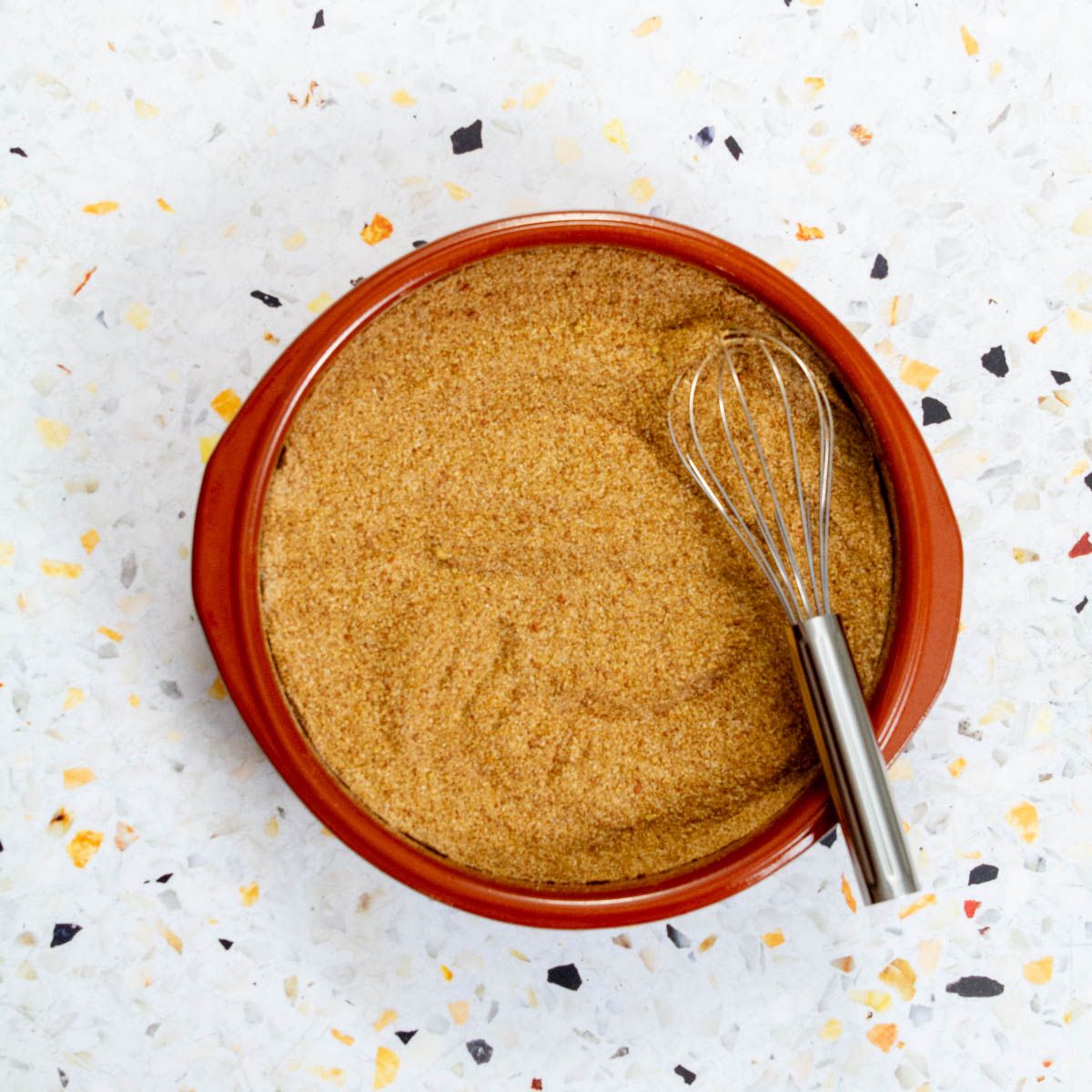
There are no limits to where you can use Adobo. Traditionally, it seasons dishes like Chuletas Fritas, Carne Guisada, or Sancocho, but it's just as essential in rice, whether it's arroz blanco, arroz con jueyes, or arroz con gandules. It even brings vegetables and sides to life, especially sprinkled over hot tostones, stirred into a fresh batch of funche, or added to habichuelas guisadas.
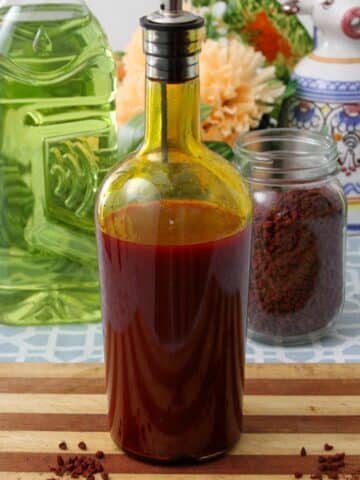
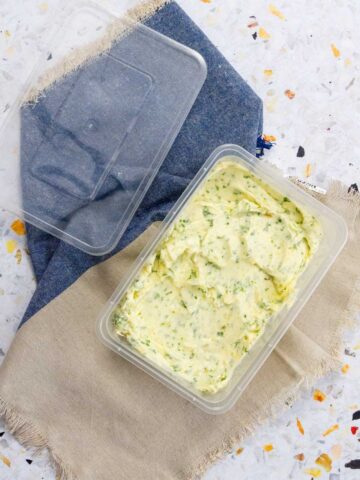
For more Puerto Rican flavor, try Sofrito, the aromatic base that gives soups, sauces, and stews depth. Garlic Paste is like a 'wet' version of adobo, perfect for marinating meats. Achiote Oil adds a rich golden color and subtle earthiness, while Mojo Marinade brings bright citrus and garlic notes, delicious on meats and even as a dipping sauce for tostones.
Jump To
Why you'll love this recipe
- Mix it your way: Big jar or small batch, it's up to you. You could even gift it!
- Tweak the flavors: Keep what you love, leave out what you don't.
- Make it yours: Every mix is a chance to create different blends for different uses, or to make one that's your own signature adobo. You could even gift it!
- Saves space & time: Instead of keeping lots of spice jars by the stove, you'll have one ready-to-go mix with the essentials.
What is Adobo?
Adobo, like sazón, literally means "seasoning." So saying "adobo seasoning" is a bit like saying "seasoning seasoning," or even "chai tea" (tea tea). But what adobo means depends on where you are in the Spanish-speaking world.
- Puerto Rico: In Puerto Rico, adobo is the yellow powder in a jar, used in place of or alongside salt.
- Philippines: In the Philippines, adobo isn't a spice, it's a dish of braised meats or vegetables in vinegar, soy, and spices, a native preparation later renamed with a Spanish term.
- Mexico: In Mexico, adobo is a deeply savory sauce made from dried chiles, spices, and vinegar, used as a marinade, sauce, or condiment.
Depending on who you're talking to, "adobo" might mean a seasoning blend, a braised dish, or a rich chile sauce.
Ingredient Notes
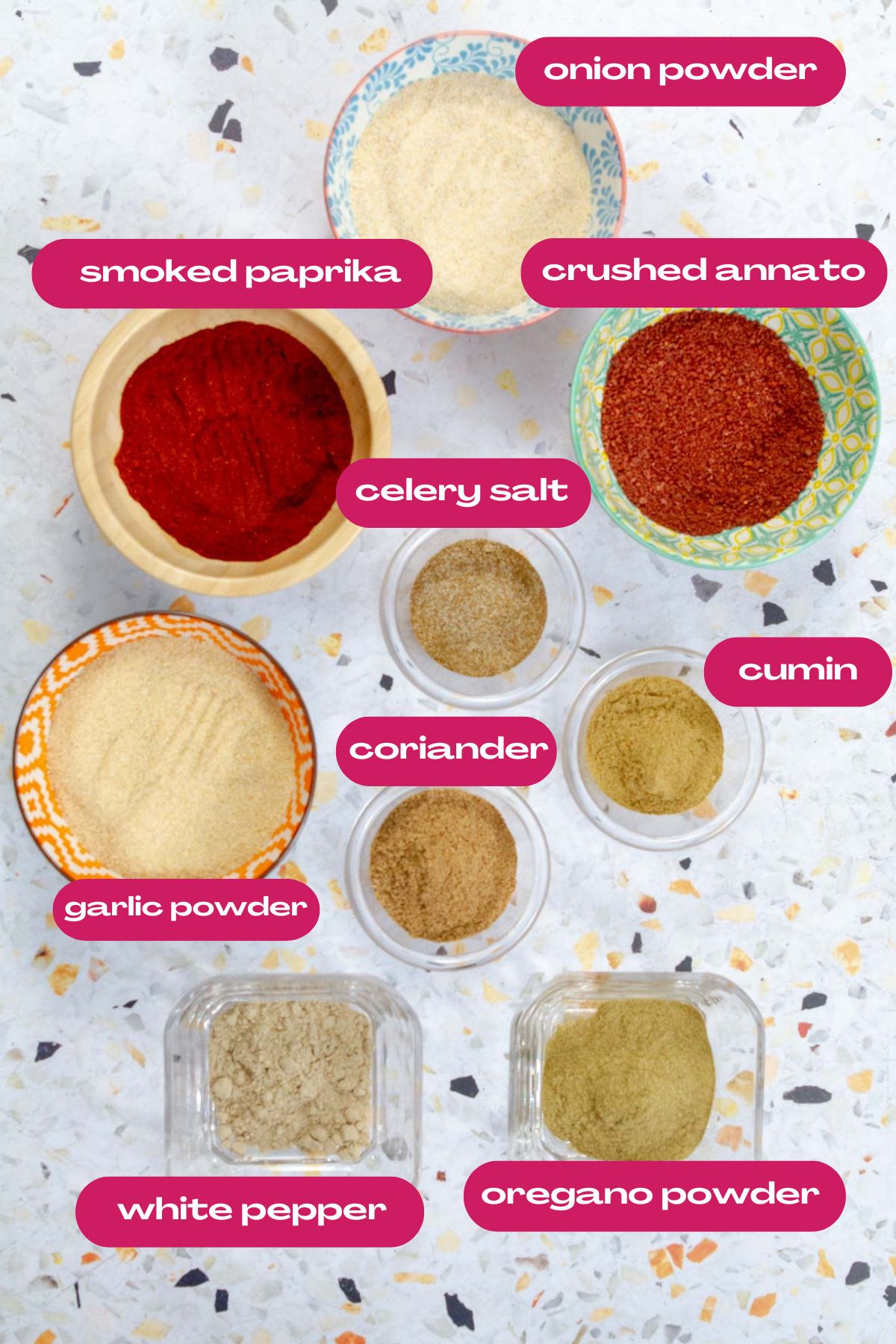
- Garlic Powder: Garlic powder or garlic salt can be used in this blend. Garlic is the backbone of most adobo seasonings, providing an intense aroma and savory base flavor. If using garlic salt, reduce the added salt elsewhere in the recipe to keep the seasoning balanced.
- Salt: Salt enhances flavor and helps seasoning adhere to food. It draws out surface moisture, which allows other flavors in the adobo to distribute more evenly. Salt does not penetrate deeply on its own, but it improves overall seasoning effectiveness.
- Pepper: Pepper adds mild heat and subtle floral notes to the blend. White or black pepper may be used, depending on preference. Commercial adobo mixes vary; some include pepper, others do not, so this ingredient is optional and can be omitted if desired.
See my recipe card below for a complete list of the ingredients with measurements.
Variations and Substitutions
Seasonings are personal. Feel free to adjust or substitute spices based on what you like and how you cook. Use this recipe as a starting point, not a rule.
- Dry rubs and seasonings are subjective, and this blend is meant to be flexible. Use it as a base and adjust depending on the dish or season.
- For a Thanksgiving-style profile, add a small amount of dried sage, marjoram, or rosemary. These herbs pair well with poultry and roasted vegetables.
- For an Indian-inspired twist, add powdered ginger and curry powder, with just a pinch of cinnamon for warmth.
- For a barbacoa-style direction, add a pinch of brown sugar, cayenne, and mustard powder to bring balance, heat, and depth.
How to make Homemade Adobo Seasoning
Remember: you can always add spices, but you can't take them out. Start conservatively and adjust as you go.
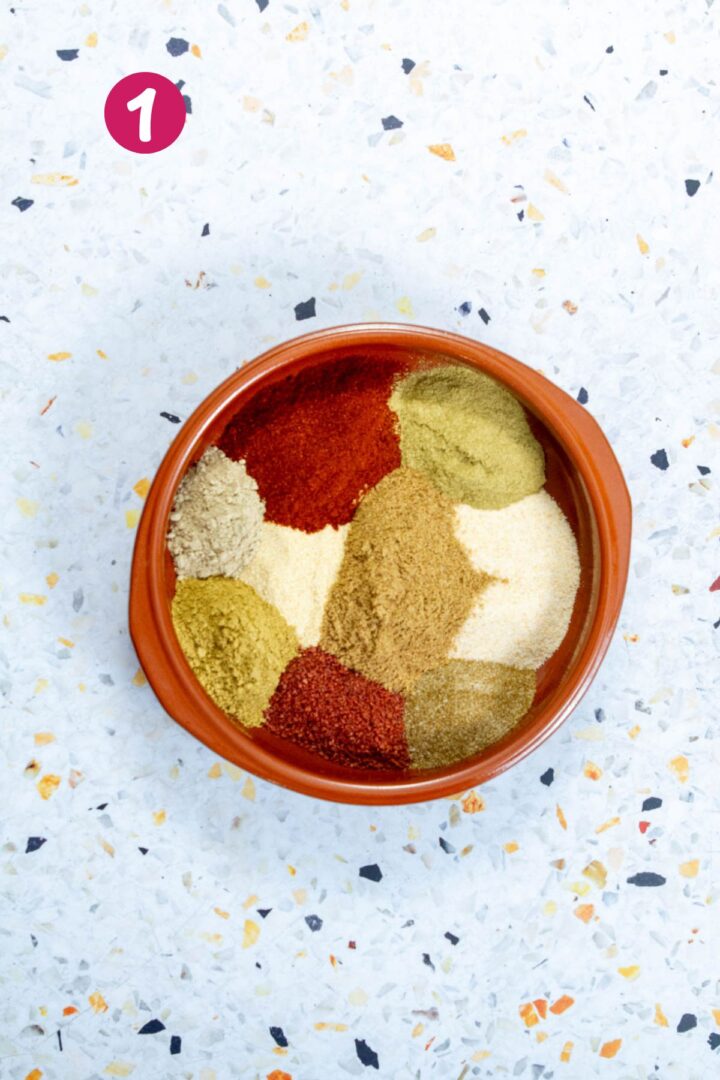
Step 1
Measure out all ingredients. Measuring matters, even for a flexible seasoning, because it helps you keep track of what you add. When you adjust the blend, change the amount of only one spice at a time so you know what's affecting the final flavor.
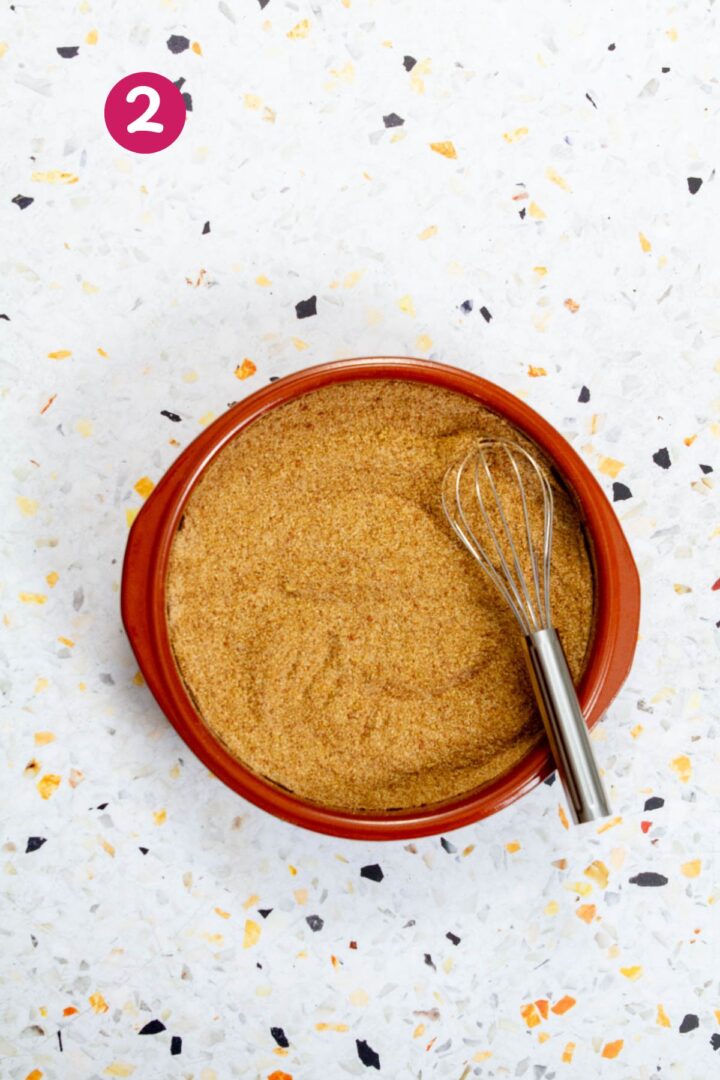
Step 2
Mix them all together.
Taste-test by sprinkling a small pinch over a hot fry, plain rice, or a warm vegetable, or by mixing a pinch with a few drops of oil. Adjust the spices as needed.

Step 3
Pour into a favorite container, or portion for gift giving, or taking to work.
Top Tip
For a finer, more cohesive adobo, pulse the finished mix in a spice grinder. Not only does this give it a uniform look, but it also helps the flavors meld beautifully.
Expert Tips
- Store smart: Keep your adobo in an airtight container so it stays fresh longer.
- Avoid clumping: Don't sprinkle directly from the jar over a steamy pot; moisture will sneak in and ruin the mix.
- Optional anti-caking tip: If you live in a humid climate, a small pinch of cornstarch can help keep the seasoning free-flowing. Mix well so it distributes evenly.
- Start light: When in doubt, use less than you think you need; you can always add more.
- Spice it up carefully: If you add cayenne or other hot spices, mix well and test in small amounts. Cayenne is a sneaky spice; once it's too much, it's too late.
- Save your jars: Whether you use Goya, Badia, or Loisa, hang on to those jars. They're perfect for storing homemade adobo. They also work well for taking adobo on the go or portioning for gifts. Simple Man's Life has a great video on how to remove labels from jars if you want to upcycle these for gifting or personal use.
Recipe FAQs
This is a homemade version inspired by Puerto Rican flavors. The main difference is control over salt and spice levels.
This seasoning works well with all proteins, including chicken, pork, beef, lamb, poultry, and seafood. As well as vegetables, tofu, rice, beans, and more.
No. Cornstarch is optional. Proper storage usually prevents clumping, but in humid environments, a tiny amount of cornstarch can help keep the seasoning free-flowing without affecting flavor.
Yes, omit the salt, or any other spice you do not want in your mix.

More Traditional Puerto Rican Classics
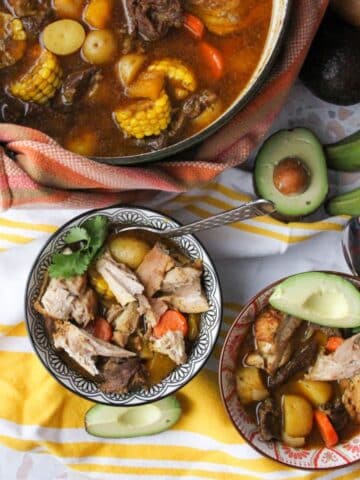
- Sancocho, Puerto Rican Stew
- How To Cook Dried Beans
- Asopao de Pollo, Puerto Rican Chicken and Rice Soup
- Puerto Rican Garlic Paste


Before You Go . . .
Cooked it and loved it? Rate it. Review it. Share it. Your feedback helps others and keeps this blog cooking.
📖 Recipe

Homemade Puerto Rican Adobo Seasoning
Equipment
- 1 whisk
- 1 jar
Ingredients
- 4 tablespoon garlic powder adjust salt amount if using garlic salt
- 3 tablespoon onion powder adjust salt amount if using onion salt
- 1 tablespoon paprika smoked or sweet
- 1 tablespoon achiote powder, annatto optional
- 1 tbsp cumin
- 3 teaspoon oregano ok to use dried oregano leaves
- 2 teaspoon coriander
- 2 teaspoon celery salt adjust salt if using celery salt
- 2 teaspoon salt sea salt works great in this application.
- 1 teaspoon white pepper black pepper would work as well. white tends to be finer
Instructions
- Measure out all ingredients. Measuring matters, even for a flexible seasoning, because it helps you keep track of what you add. When you adjust the blend, change the amount of only one spice at a time so you know what's affecting the final flavor.
- Mix them all together.Taste-test by sprinkling a small pinch over a hot fry, plain rice, or a warm vegetable, or by mixing a pinch with a few drops of oil. Adjust the spices as needed.
- Pour into a favorite container, or portion for gift giving, or taking to work.

Notes
- For a finer, more cohesive adobo, pulse the finished mix in a spice grinder. Not only does this give it a uniform look, but it also helps the flavors meld beautifully.
-
- Store smart: Keep your adobo in an airtight container so it stays fresh longer.
- Avoid clumping: Don't sprinkle directly from the jar over a steamy pot; moisture will sneak in and ruin the mix.
- Optional anti-caking tip: If you live in a humid climate, a small pinch of cornstarch can help keep the seasoning free-flowing. Mix well so it distributes evenly.
- Start light: When in doubt, use less than you think you need; you can always add more.
- Spice it up carefully: If you add cayenne or other hot spices, mix well and test in small amounts. Cayenne is a sneaky spice; once it's too much, it's too late.
- Save your jars: Whether you use Goya, Badia, or Loisa, hang on to those jars. They're perfect for storing homemade adobo. They also work well for taking adobo on the go or portioning for gifts. Simple Man's Life has a great video on how to remove labels from jars if you want to upcycle these for gifting or personal use.
Zoe Forestier Villegas says
This mix is so versatile that it can be used in any recipe.