

Shrimp and Scallop Stew is one of my go-to recipes, easy to make and full of bold, comforting flavor. It comes together fast with pantry staples and fresh seafood.

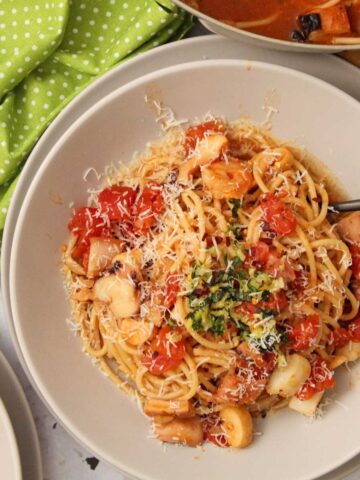
Shrimp and Scallop Stew works beautifully in an eggplant boat, tossed with pasta, served over arroz blanco, or ladled onto funche, a creamy Puerto Rican cornmeal mash, similar to grits. Like my Seafood Pomodoro, it's versatile and satisfying.
To round out the meal, pair it with mofongo in a pilón or serve with tostones and your favorite rice. For dessert, opt for a slice of pecan-crusted cheesecake with guava coulis or try hojaldre añasqueño, a traditional Puerto Rican spice cake filled with warm
Jump To
Why You'll Love This Recipe
- Big flavor, fast prep: This stew comes together in about 30 minutes, but tastes like you've been simmering it all day. Perfect for when you want something satisfying without the stress.
- A great way to highlight fresh (or frozen) seafood: You don't need anything fancy, just good shrimp and scallops. Even frozen works beautifully, which is what I used, and the tomato-based broth lets the seafood shine.
- Seafood-forward, not fishy: Using fresh shrimp and scallops with homemade (or good quality) fish broth gives you a clean, coastal flavor that doesn't overpower. It's bright, rich, and balanced.
- Elegant but approachable: This dish feels special, something you'd serve guests or save for a cozy weekend dinner; but it's still easy enough to pull off on a weeknight.
- Great way to practice cooking seafood: If you're new to cooking shrimp or scallops, this is a forgiving and flavorful place to start. Bonus: You can prep the sauce ahead and finish the dish in minutes.
Ingredients Notes
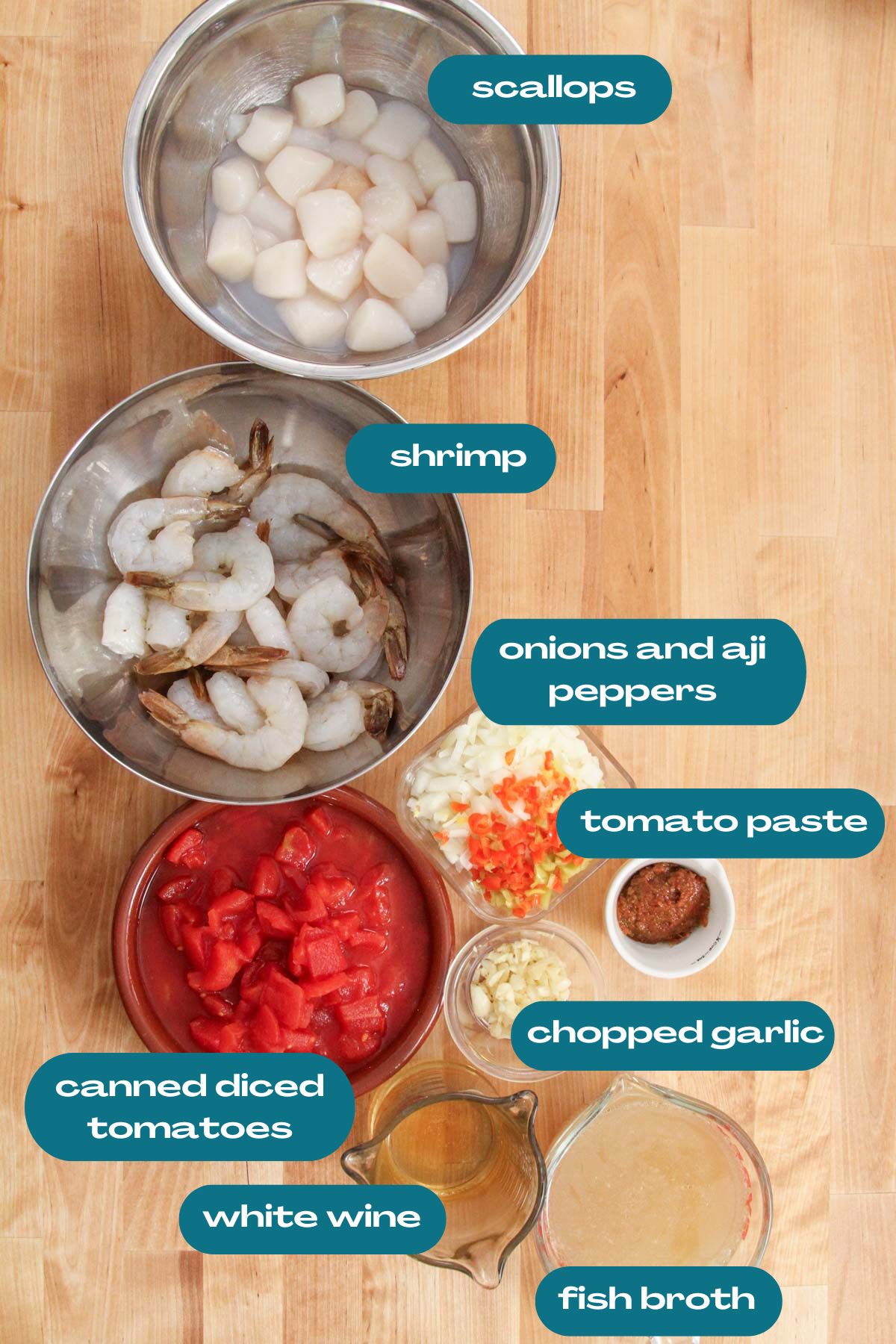
- Shrimp: Use peeled and deveined shrimp for ease. I usually go with medium to large shrimp, but if you can find rock shrimp, they're worth the splurge. They have a lobster-like texture and flavor that gives this stew a little something extra. If using frozen shrimp, ensure they're fully thawed before cooking.
- Scallops: Bay scallops are smaller and cook quickly, making them perfect for a fast stew. Sea scallops work too-just cut them into quarters to ensure even cooking. Make sure they're dry before adding them to the pan to avoid excess liquid watering down the broth.
- Fish Broth: Homemade fish broth makes all the difference. It gives the stew a deeper, more complex flavor and ties everything together. I use my Puerto Rican Fish Broth recipe, but if you have leftover broth from steaming mussels or other seafood, that's a great substitute. In a pinch, a good-quality chicken broth works too, but seafood broth adds a distinctly coastal flavor.
See my recipe card below for a complete list of the ingredients with measurements.
Ingredient Spotlight: Rock Shrimp
If you can find them, rock shrimp are worth the splurge. Their sweet, firm texture and lobster-like flavor give this stew a touch of luxury. I used them in my original version and loved the bite they bring compared to regular shrimp. If they're not available, any peeled shrimp will still work beautifully.
Variations and Substitutions
- Seafood Options: Rock shrimp works beautifully in this stew. You can also mix in other shellfish or firm white fish if you'd like to switch it up.
- Wine or Lemon: A splash of wine adds a bittersweet note and helps balance the acidity of the tomato. If you prefer not to cook with alcohol, use a tablespoon of lemon juice instead for a bright, balanced flavor.
- Eggplant Alternatives: Not a fan of eggplant? Swap it out for zucchini or summer squash. Both cook quickly and soak up flavor well.
- Vegetarian Version: Skip the seafood and go with a hearty veggie mix instead. Try a combo of eggplant, zucchini, and mushrooms for a satisfying meatless stew.
- Add Some Heat: For a spicier version, stir in a pinch of red pepper flakes while the stew simmers.
- Tomato Options: Sun-dried tomatoes add tartness and depth, while roasted plum tomatoes-especially fire-roasted-bring a smoky, charred flavor.
- Kid-Friendly Tip: Before adding the seafood, set aside a portion of the tomato sauce. You can even puree it for a smoother texture that kids might prefer.
Top Tip
When cooking seafood in a sauce like this, keep in mind that the sauce retains heat and continues to cook even after you turn off the stove. It's okay to stop cooking just before the shrimp and scallops are entirely done, let the residual heat finish the job. This leaves you with tender, juicy seafood instead of rubbery bites.
How to Make this Quick Shrimp and Scallop Stew
This recipe cooks fast, but prep can take a little time, especially if you're cleaning shrimp. Have everything ready before you start. If you need a refresher, I walk you through the step-by-step process of cleaning shrimp in my Shrimp and Butternut Squash Bisque post.
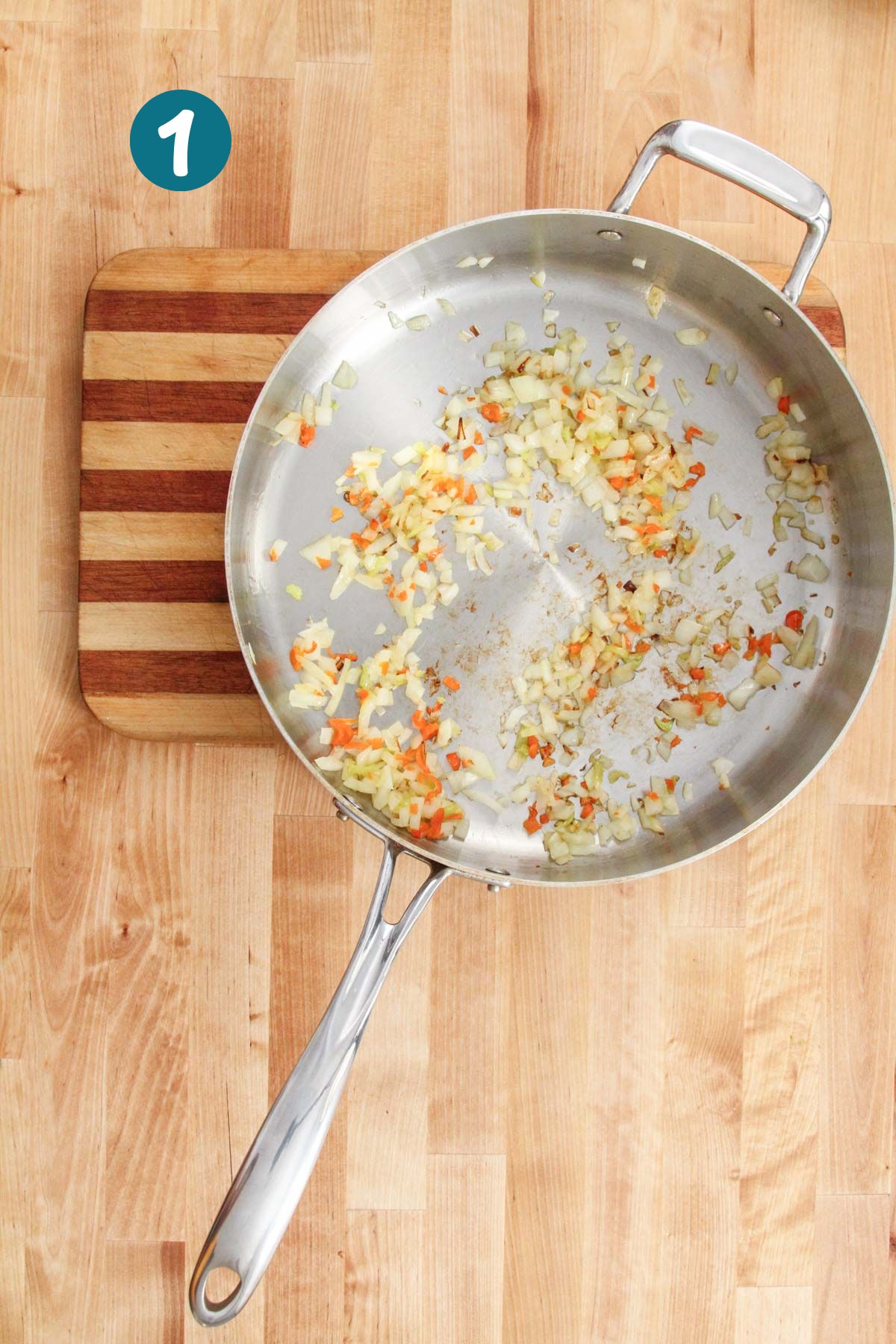
- Step 1: Warm a sauté pan over medium heat and add olive oil. Once the oil shimmers, add diced onions and chopped ají dulce. Cook until the onions are tender and lightly golden.
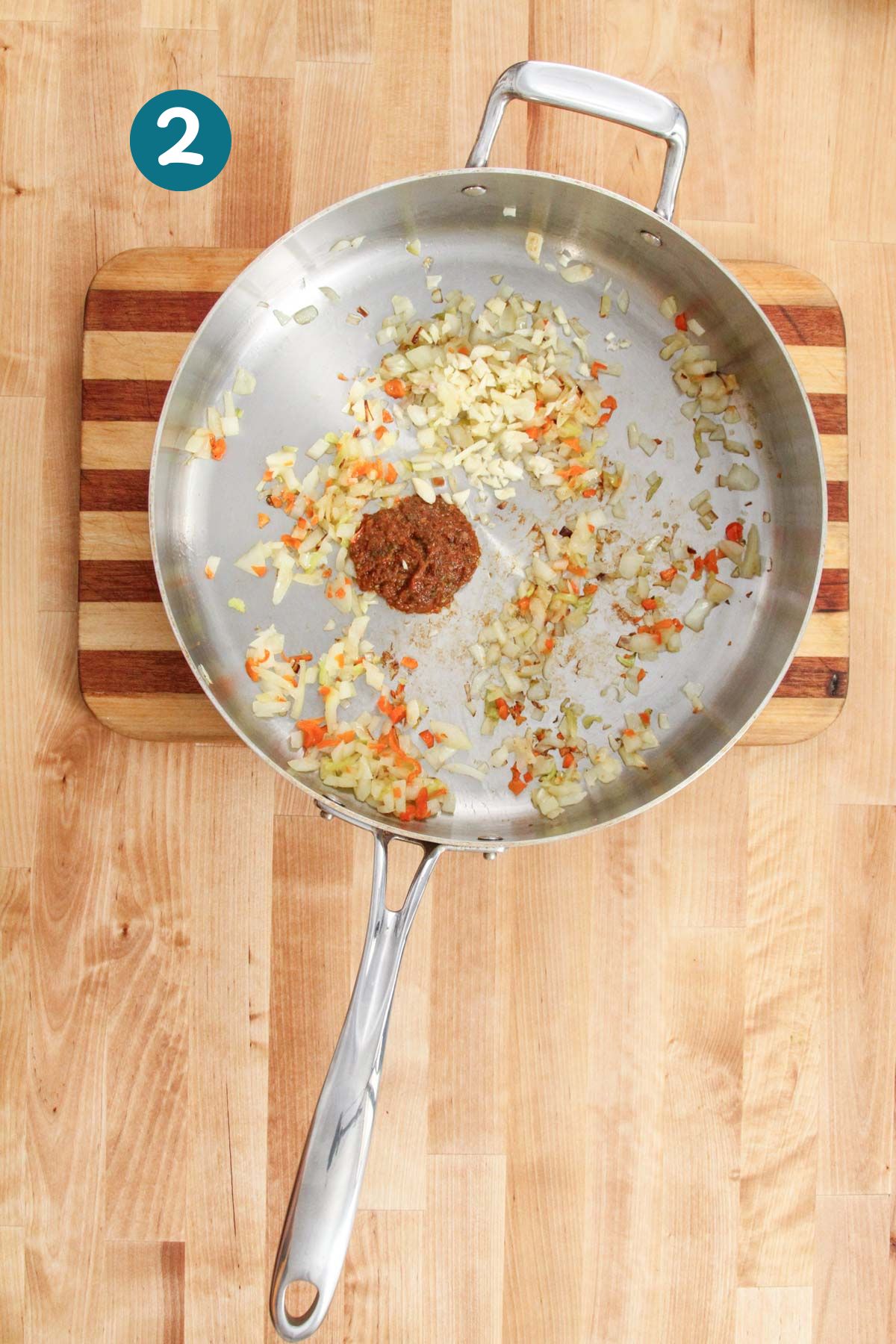
- Step 2: Add chopped garlic and sofrito with tomato paste. Stir to combine and cook for a minute or two until the paste darkens and becomes fragrant.
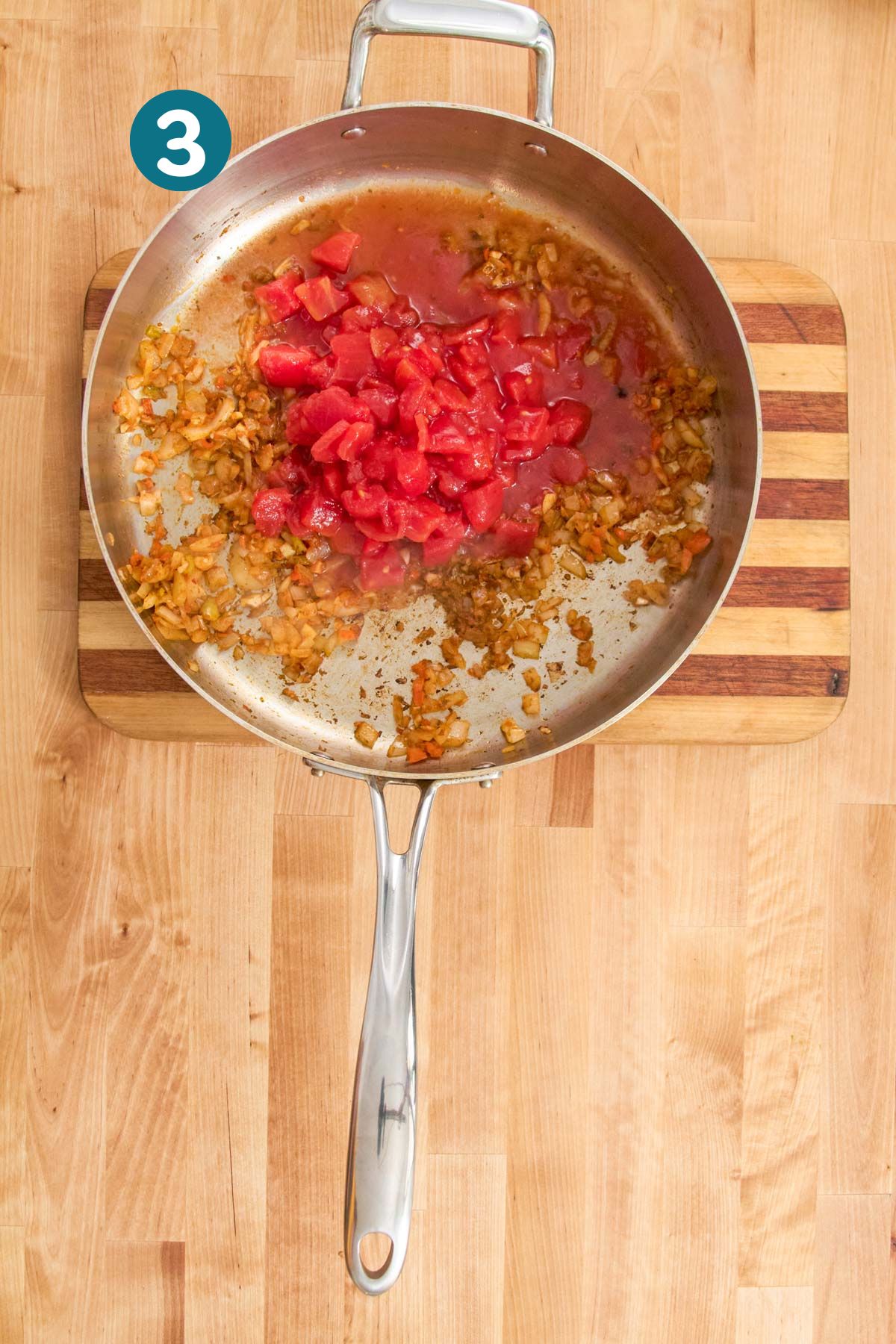
- Step 3: Stir in the diced tomatoes, scraping the pan to lift any browned bits. Simmer until the mixture thickens slightly and the tomatoes soften.
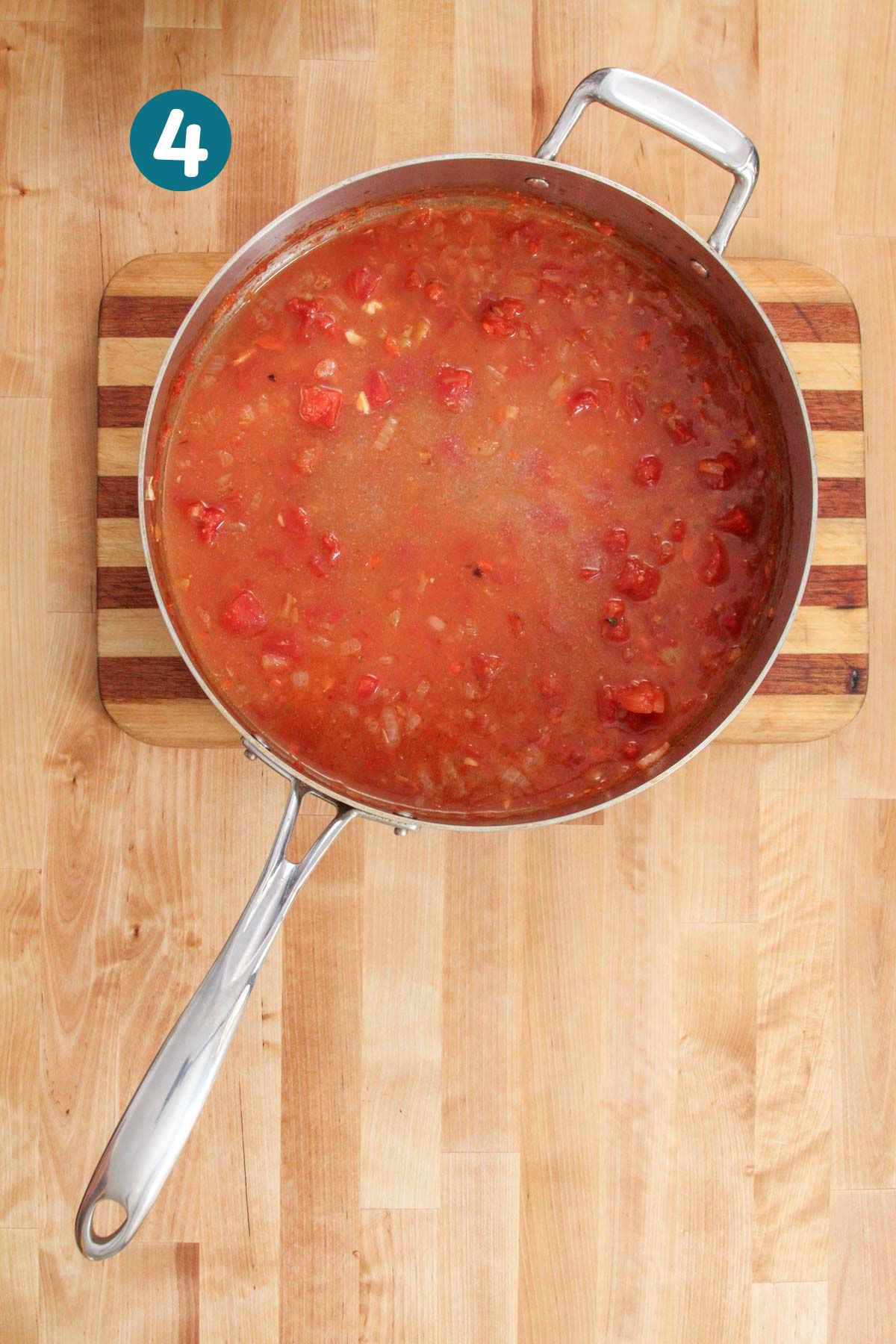
- Step 4: Add the fish broth and white wine. Bring to a simmer and cook for a few minutes to let the flavors come together.
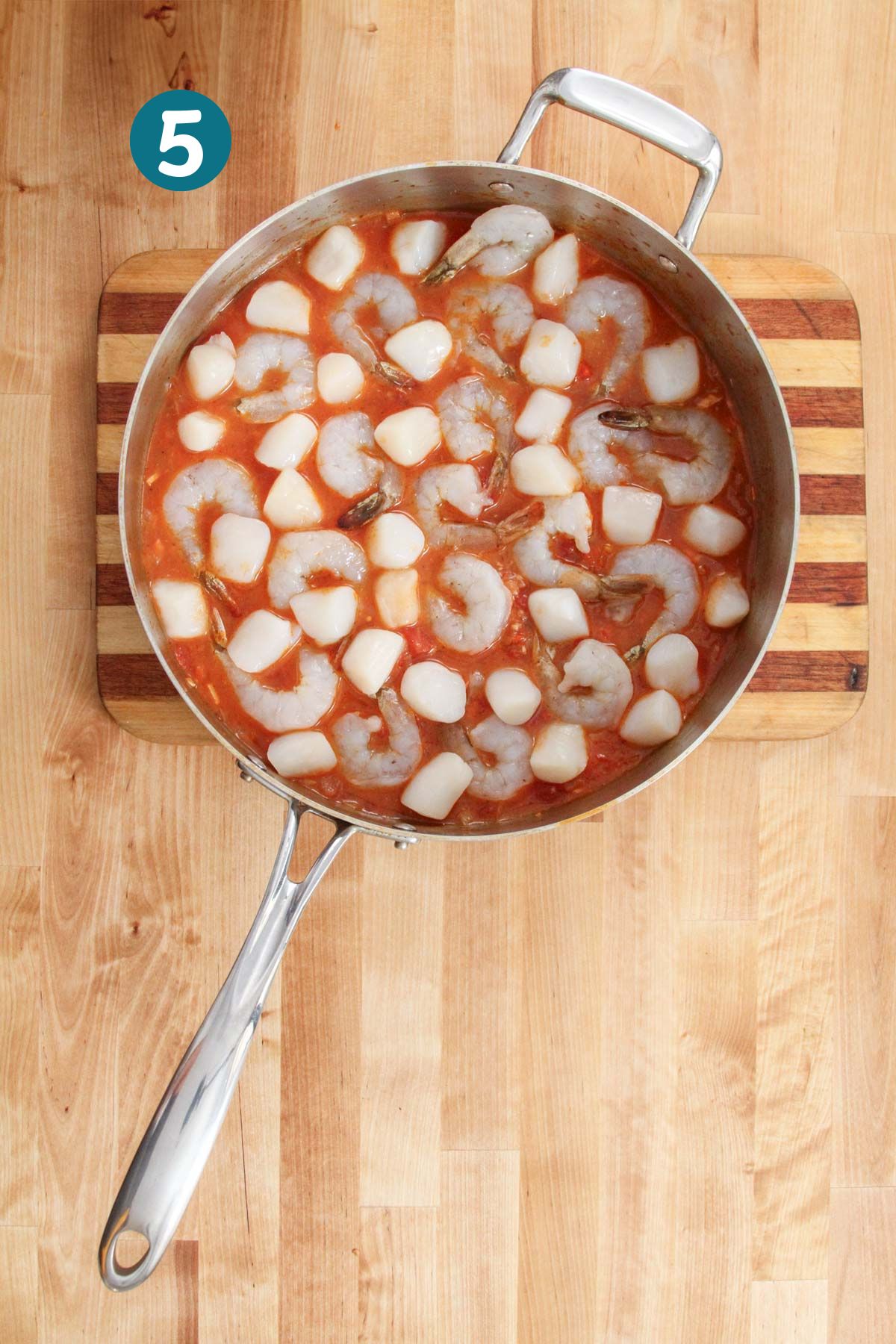
- Step 5: Gently stir in the shrimp and scallops. Simmer just until the shrimp are opaque and the scallops are cooked through, about 3-5 minutes.
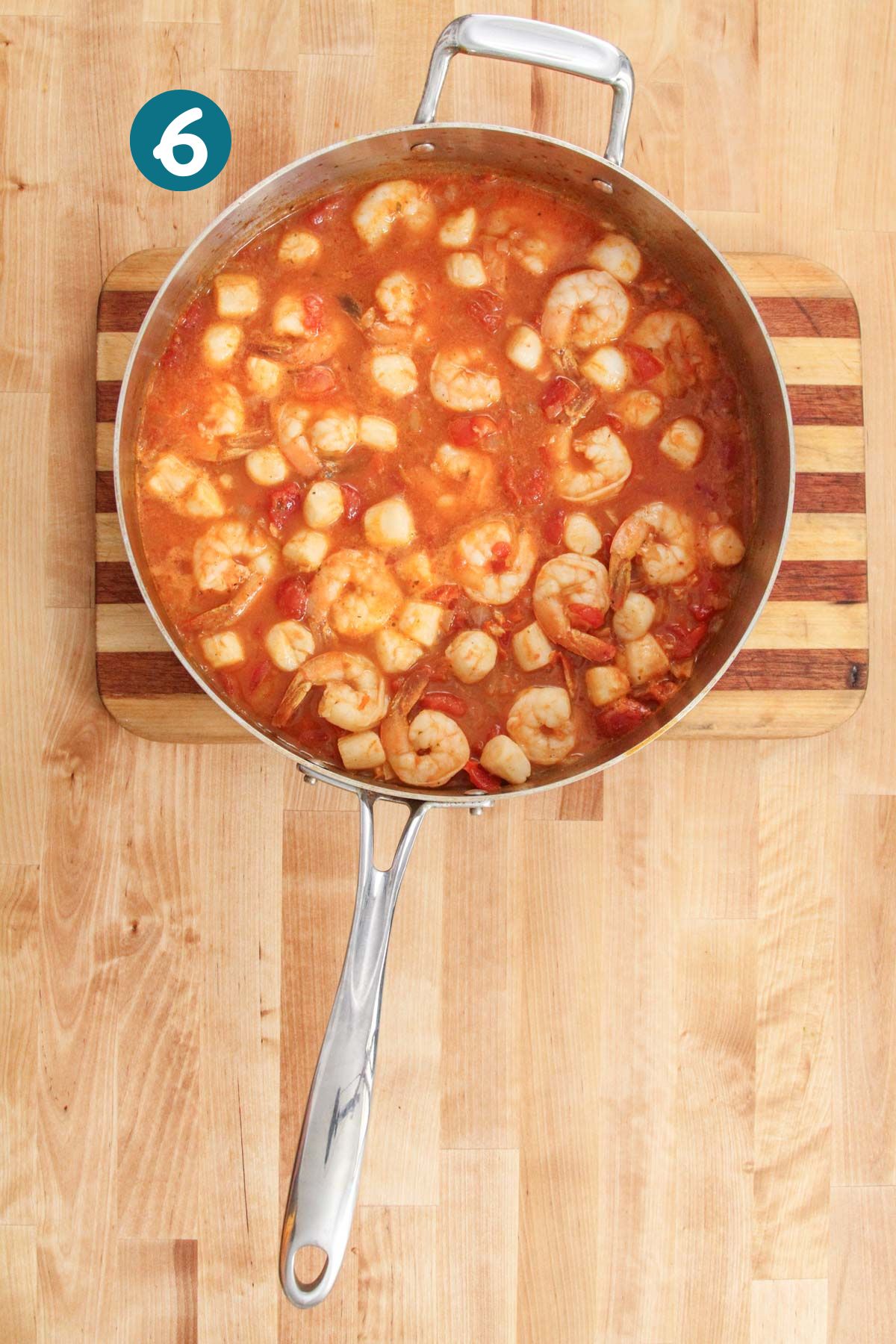
- Step 6: Taste and adjust seasoning if needed. Serve hot with arroz blanco, funche, or tostones.
Expert Tips
- Dry your scallops before cooking: Pat them dry with a paper towel so they sear, not steam. This keeps the broth from getting watery and helps concentrate flavor.
- Let the tomato paste caramelize: Don't rush this step. Caramelizing deepens the base and gives the stew a richer, more developed taste.
- Don't overcrowd the pan: Use a wide skillet or sauté pan so the seafood cooks evenly and doesn't poach in its juices.
- Add the seafood last: Shrimp and scallops cook fast, adding them at the end keeps them tender and prevents that rubbery texture.
- Use your leftover broth wisely: If you've recently cooked mussels or clams, like the broth from my Steamed Mussels with sofrito white wine, save that broth and use it in place of fish stock for extra depth and that briny touch.
- Store leftovers carefully: Seafood doesn't reheat well more than once. Store stew in a shallow container, cool it quickly, and reheat gently the next day, just until warm. Avoid microwaving to keep the shrimp and scallops from overcooking.
Always buy seafood from a reputable source. If buying fresh is not an option, buy frozen.
Fresh seafood shouldn't smell fishy; it should smell like the ocean. When you get home, check the texture. It should feel firm and clean, never slimy.
At restaurants, we kept seafood on a light layer of ice to maintain a cold temperature. At home, place the seafood (in its bag) in a bowl and cover it lightly with ice. Drain and refresh the ice as needed. Use it the same day or next, and try not to keep it in the fridge for more than two days.
You can prep the sauce in advance, but add the shrimp and scallops just before serving so they stay tender and juicy.
Reheat gently on a low heat, just until warm. Avoid boiling, which can make the shrimp and scallops rubbery.
Lemon juice works great as a substitute. It adds the acidity you need to balance the tomatoes without the alcohol.
Yes! The recipe is flexible. Use whichever you prefer or have on hand.
More Fish and Seafood Favorites
- Roasted Garlic And Herb Compound Butter
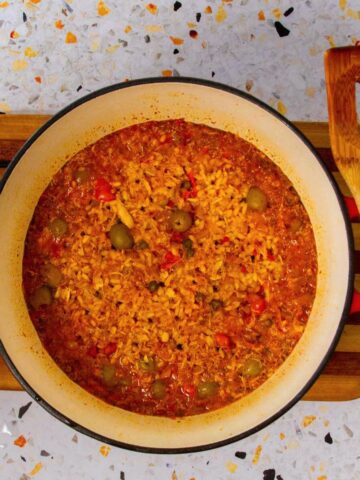
- Puerto Rican Crab Rice, Arroz con Jueyes
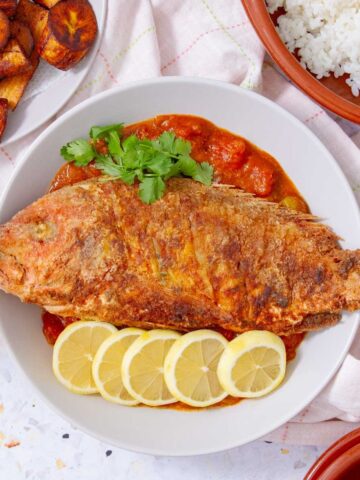
- Puerto Rican Fried Red Snapper, Chillo Frito
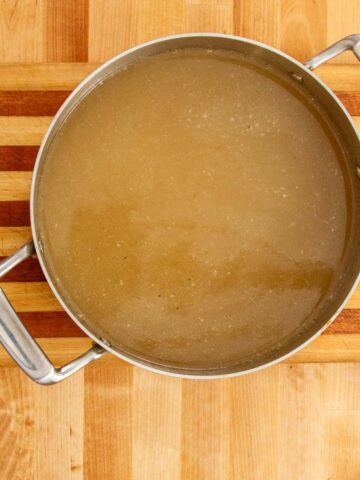
- Puerto Rican Fish Broth, Caldo de Pescado
I'd love to hear from you! Did you try this recipe? Leave a review and rating below. Let's connect on Instagram, and don't forget to join my weekly email list for fresh new recipes.
📖 Recipe

Quick Shrimp and Scallop Stew
Equipment
Ingredients
Instructions
- Warm a sauté pan over medium heat and add olive oil. Once the oil shimmers, add diced onions and chopped ají dulce. Cook until the onions are tender and lightly golden.
- Add chopped garlic and tomato paste. Stir to combine and cook for a minute or two until the paste darkens and becomes fragrant.
- Stir in the diced tomatoes, scraping the pan to lift any browned bits. Simmer until the mixture thickens slightly and the tomatoes soften.
- Add the fish broth and white wine. Bring to a simmer and cook for a few minutes to let the flavors come together.
- Gently stir in the shrimp and scallops. Simmer just until the shrimp are opaque and the scallops are cooked through, about 3-5 minutes.
- Taste and adjust seasoning if needed. Serve hot with arroz blanco, funche, or tostones.

Notes
Ingredient Spotlight: Rock Shrimp
If you can find them, rock shrimp are worth the splurge. Their sweet, firm texture and lobster-like flavor give this stew a touch of luxury. I used them in my original version and loved the bite they bring compared to regular shrimp. If they're not available, any peeled shrimp will still work beautifully.
Top Tip
When cooking seafood in a sauce like this, keep in mind that the sauce retains heat and continues to cook even after you turn off the stove. It’s okay to stop cooking just before the shrimp and scallops are entirely done; let the residual heat finish the job. This leaves you with tender, juicy seafood instead of rubbery bites.Expert Tips
-
- Dry your scallops before cooking: Pat them dry with a paper towel so they sear, not steam. This keeps the broth from getting watery and helps concentrate flavor.
-
- Let the tomato paste caramelize: Don't rush this step. Caramelizing deepens the base and gives the stew a richer, more developed taste.
-
- Don't overcrowd the pan: Use a wide skillet or sauté pan so the seafood cooks evenly and doesn't poach in its juices.
-
- Add the seafood last: Shrimp and scallops cook fast, adding them at the end keeps them tender and prevents that rubbery texture.
-
- Use your leftover broth wisely: If you've recently cooked mussels or clams, like the broth from my Steamed Mussels with sofrito white wine, save that broth and use it in place of fish stock for extra depth and that briny touch.
-
- Store leftovers carefully: Seafood doesn't reheat well more than once. Store stew in a shallow container, cool it quickly, and reheat gently the next day, just until warm. Avoid microwaving to keep the shrimp and scallops from overcooking.



Carmen says
Amazing every time