

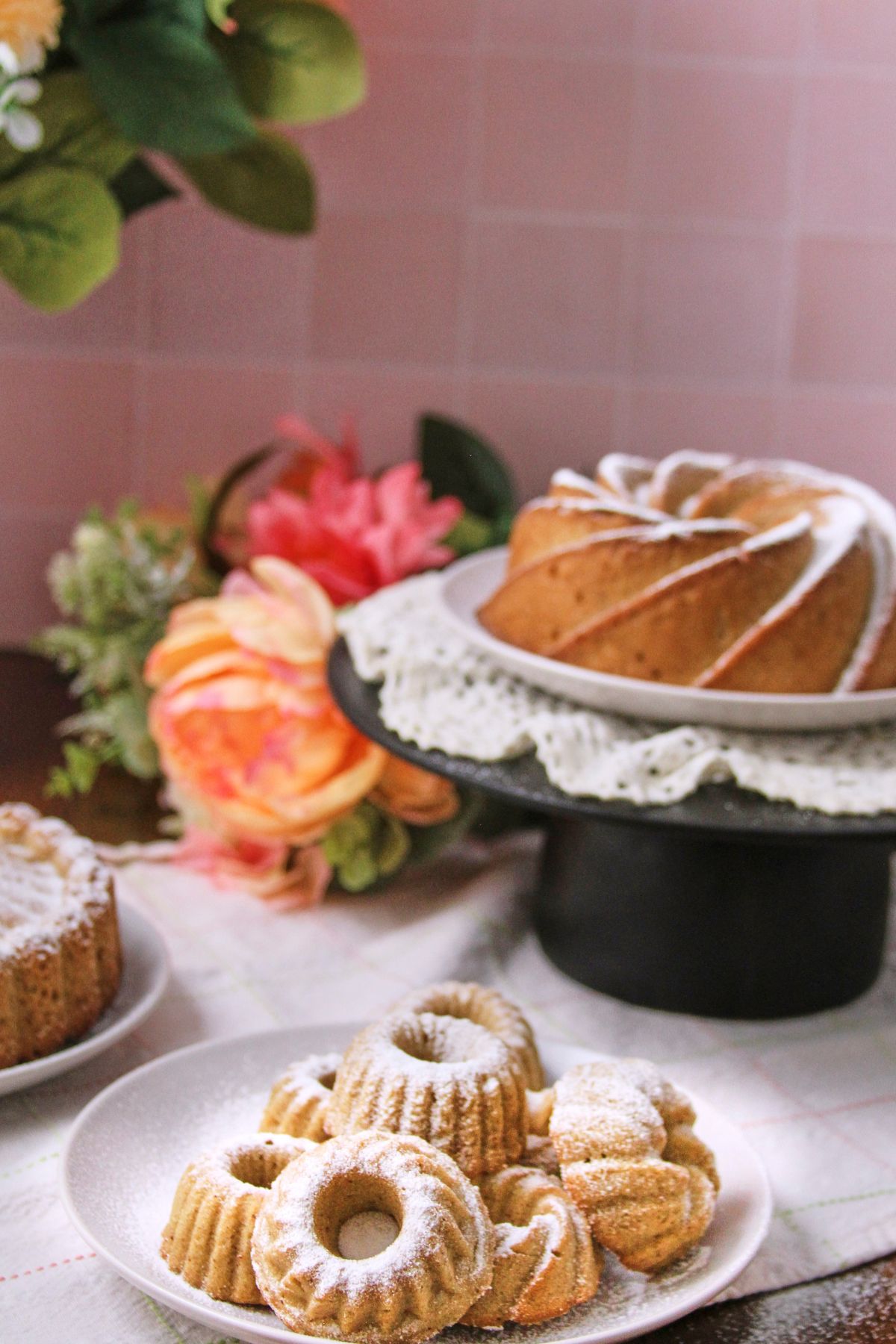
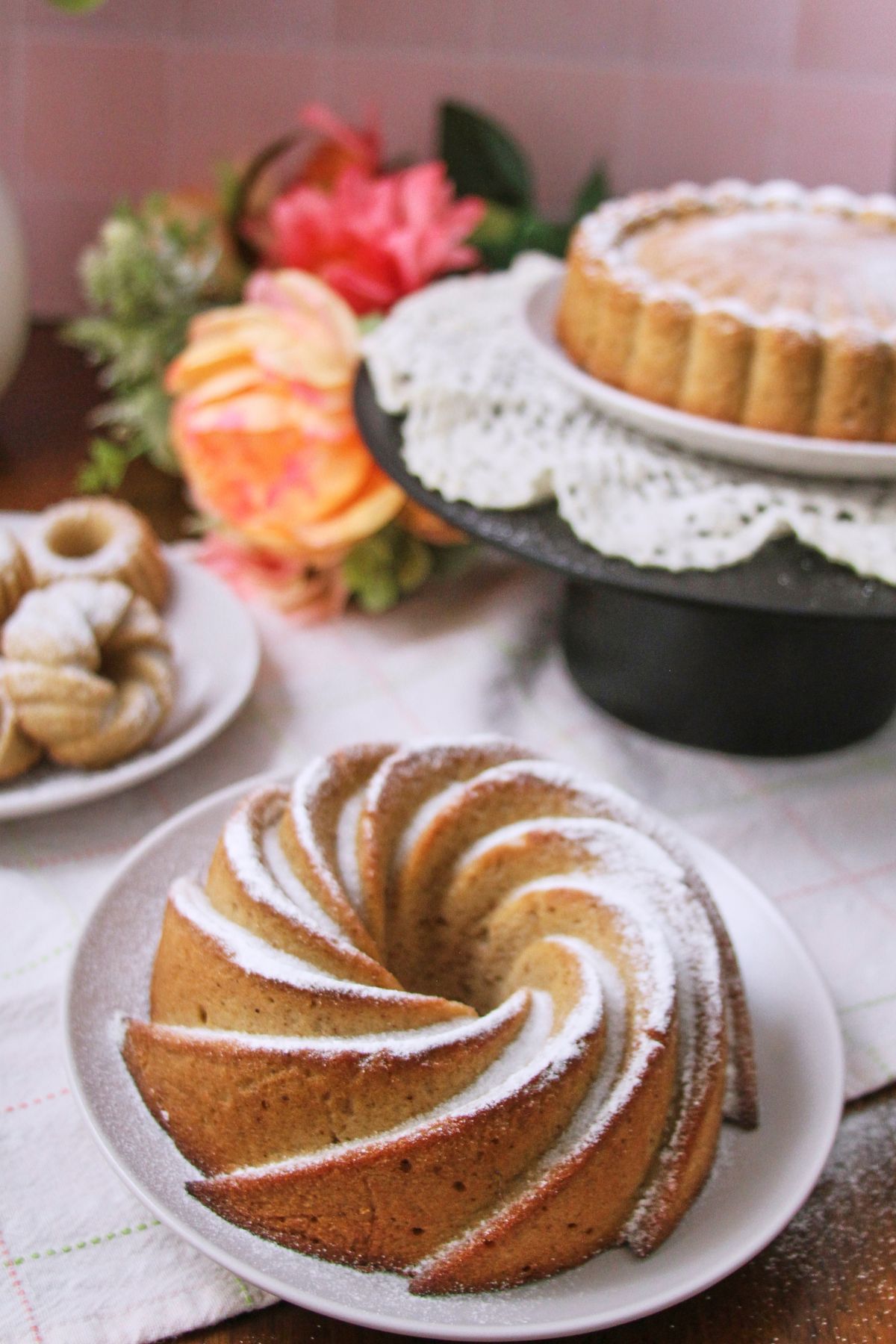
Puerto Rican Spice Cake has been made in the western town of Añasco since 1948, at Hojaldre Añasqueña bakery. Warm with cinnamon, nutmeg, and cloves, this cake belongs next to your morning coffee.
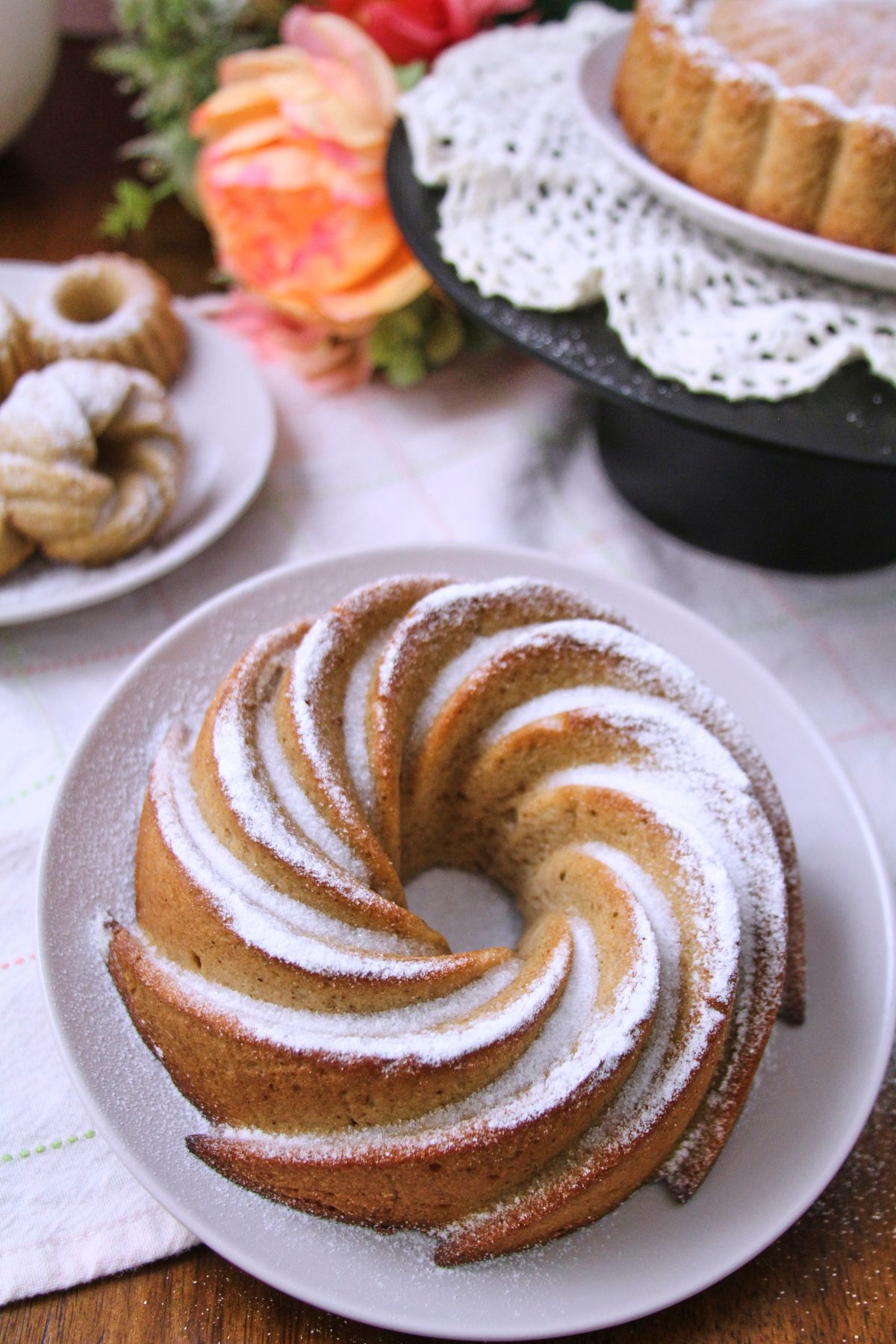
Hojaldre Anasqueño sits in an interesting corner of Puerto Rican baking; it is technically a dessert cake, but it eats like a coffee bread. That in-between quality is part of what makes it so versatile and so easy to love. If this is your first time exploring Puerto Rico's desserts, this spice cake is a strong entry point.
For more Puerto Rican Desserts, try Polvorones. These crumbly shortbread cookies are a childhood favorite across the island. Pan de Mallorca is a sweet and buttery cake that can be enjoyed as is or as a sandwich. And for an easy-to-prepare and delicious dessert, Tembleque de Coco or Pistachio Tembleque are great options.
Jump To
Why this recipe works
- The spices: The spice profile is warm and complex without being heavy. Cinnamon, nutmeg, and cloves build warmth slowly, each spice present without competing with the others.
- This cake will surprise you: Most people have never heard of hojaldre añasqueño, and everyone who tries it wants to make it again.
- Simpler to make than it tastes: The ingredient list is short, but the result is anything but ordinary.
- An unexpected connection: This cake is a window into a regional Puerto Rican baking tradition that has survived quietly in one town for over 75 years, and making it brings you closer to that story.
What's in a Name?
Hojaldre is Spanish for puff pastry, derived from hoja, meaning "leaf". This cake has nothing in common with puff pastry, so why is it called Hojaldre? The original recipe at Hojaldre Añasqueña was established by Don Luis Ruiz. Today, his granddaughter Bernadette Ortiz carries the tradition forward. My version is adapted from the Puerto Rican Cookery cookbook as a homage to their labor and passion. I asked Hojaldre Añasqueña directly, and the answer is simple: the name comes from Spain.
So I searched, and sure enough, Spain has a Bizcocho de Especias with the same foundation: cinnamon, nutmeg, and cloves, plus yogurt and ginger, yet no hojaldre in its name. Puerto Rico made it its own: wine and milk replaced the yogurt, and the ginger stayed behind. In the search, I came across a Spanish Bar Cake, which is a separate matter entirely; it is a boiled raisin cake with borrowed flavor profiles of Spanish tradition. I still have not found a clear connection with the name "hojaldre" to any baked good from Spain, but what remains is a cake that belongs entirely to Añasco, to Puerto Rico, and to no one else.
Ingredient Notes
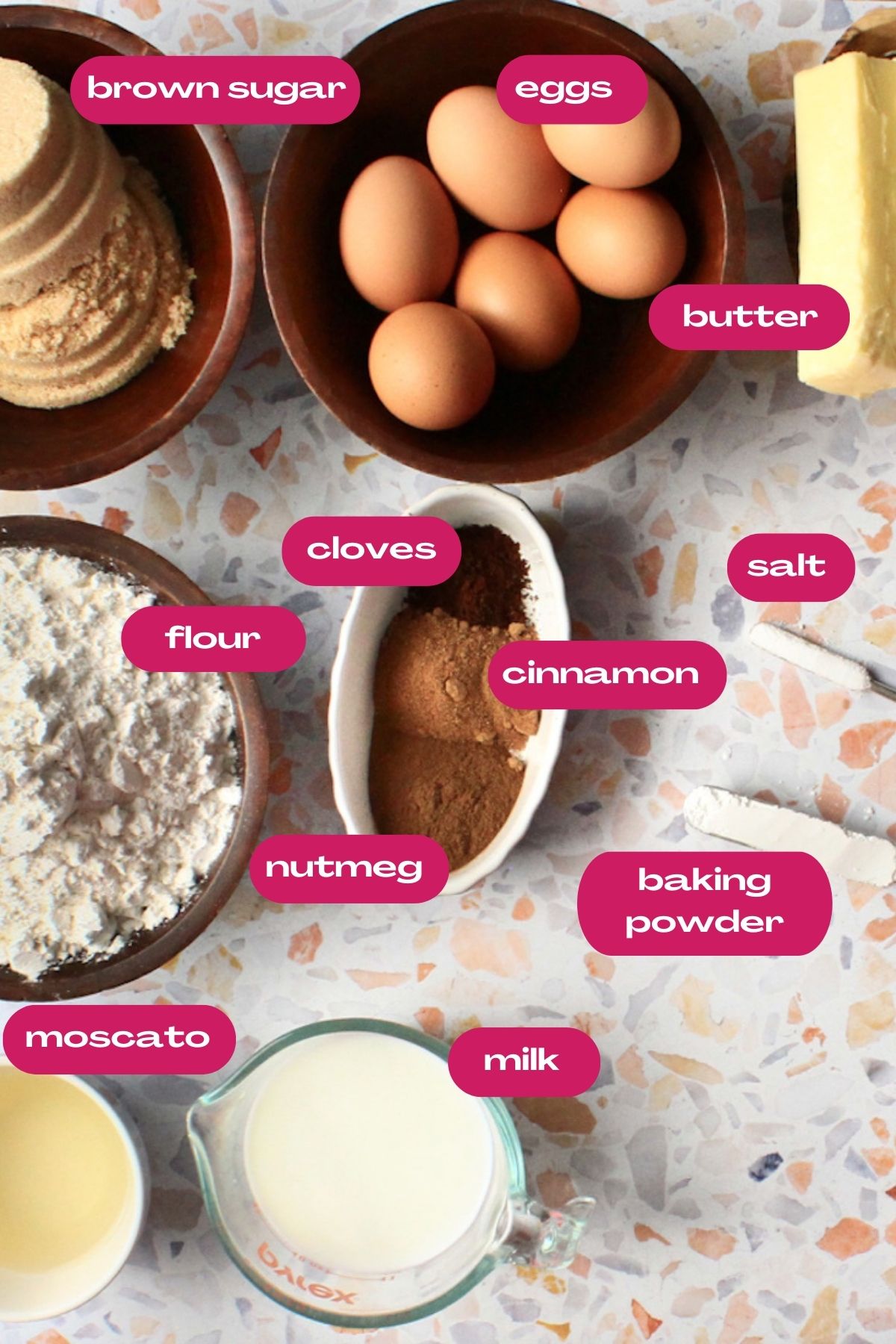
- Brown sugar: The molasses content gives hojaldre its deep amber color and a caramel undertone that white sugar cannot replicate. Do not swap it out.
- Sweet Wine: Alcohol inhibits gluten development, keeping the crumb tender, and carries the spice aromatics further than milk alone. A Moscato works well for its floral, lightly fruited character, which adds a subtle layer of flavor to the batter you will not be able to identify by name, but will notice if it is missing. Dry wine will not produce the same result. Not sure what qualifies as a sweet wine? See the full list of options in the variations section below.
- Spices: Cinnamon, cloves, and nutmeg combine to provide a warm and delicate flavor profile for this cake and connect it most directly to its Spanish colonial lineage. They are the reason this cake tastes like nothing else. Use ground spices, not whole.
See my recipe card below for a complete list of the ingredients with measurements.
Variations and Substitutions
Some Variations have not been tested. These variations are just ideas that I would do to alter the recipe. If you try any of them, please let me know in the comments!
- Coconut milk for milk (tested): Full-fat canned coconut milk works beautifully in this recipe. It produces a slightly richer crumb with a subtle coconut undertone that pairs naturally with the warm spices. Give the can a good stir before measuring to incorporate the cream. This is the version made for the photos and video in this post, since I do not buy cow's milk.
- Cardamom variation: Cardamom can replace some or all of the cloves for a variation with deeper floral warmth. Start with half the clove quantity and adjust to taste.
- Raisins and walnuts: Raisins and Walnuts are a traditional addition to many spice cakes and would work too in this recipe.
- Pumpkin Spice: If you do not have each individual spice in this recipe but do have a jar of pumpkin spice, it will do the trick. Substitute 1½ to 2 tablespoons of pumpkin spice for the individual spices. Keep in mind that pumpkin spice contains ginger and allspice, so the flavor profile will be slightly different from the traditional recipe.
- Coffee variation: Replace the milk with an equal amount of strong, brewed café for a deeper, more complex spice profile. Because coffee does not carry the fat that milk does, add a tablespoon of olive oil to compensate. Keep the sweet wine as is.
- Non-alcoholic substitution: Replace the sweet wine with an equal amount of white grape juice, tart cherry juice, or coconut milk, and add 1 tablespoon of honey to approximate the sweetness. Avoid plain water or plain milk as a direct substitute for wine; you will lose both flavor and acidity.
- Sweet Wine: When I came across this recipe, I had two thoughts: Wine in baking? (covered under ingredients notes), And what do they mean by "sweet wine"? I chose Moscato because it is my favorite sweet wine. Here is a list of sweet wines to choose from if you do not have Moscato available. Whites: Riesling, Gewürztraminer, White Zinfandel, Sauternes, Ice Wine, Pinot Grigio (sweet), Reds: Lambrusco (sweet), Brachetto d'Acqui, Late harvest Zinfandel, Demi-sec red blends, Rosé: Rosé Moscato, Demi-sec Rosé, Sparkling Rosé (sweet), Fortified (most likely already in your pantry): Marsala, Sherry, Madeira, Port, Vin Santo
Pro tip
Triple-Sifted Flour
Sifting the flour three times with the spices aerates the flour, evenly distributes the spices, and contributes directly to the delicate crumb. Do not skip this step.
How to make Puerto Rican Spice Cake
Preheat the oven to 350℉. Have all ingredients at room temperature. If using a bundt pan, spray it with food release or room-temperature butter (not included in the recipe), then dust with flour. For round and square pans, line the pan with parchment paper. It's ok to sift the flour before you begin the process.
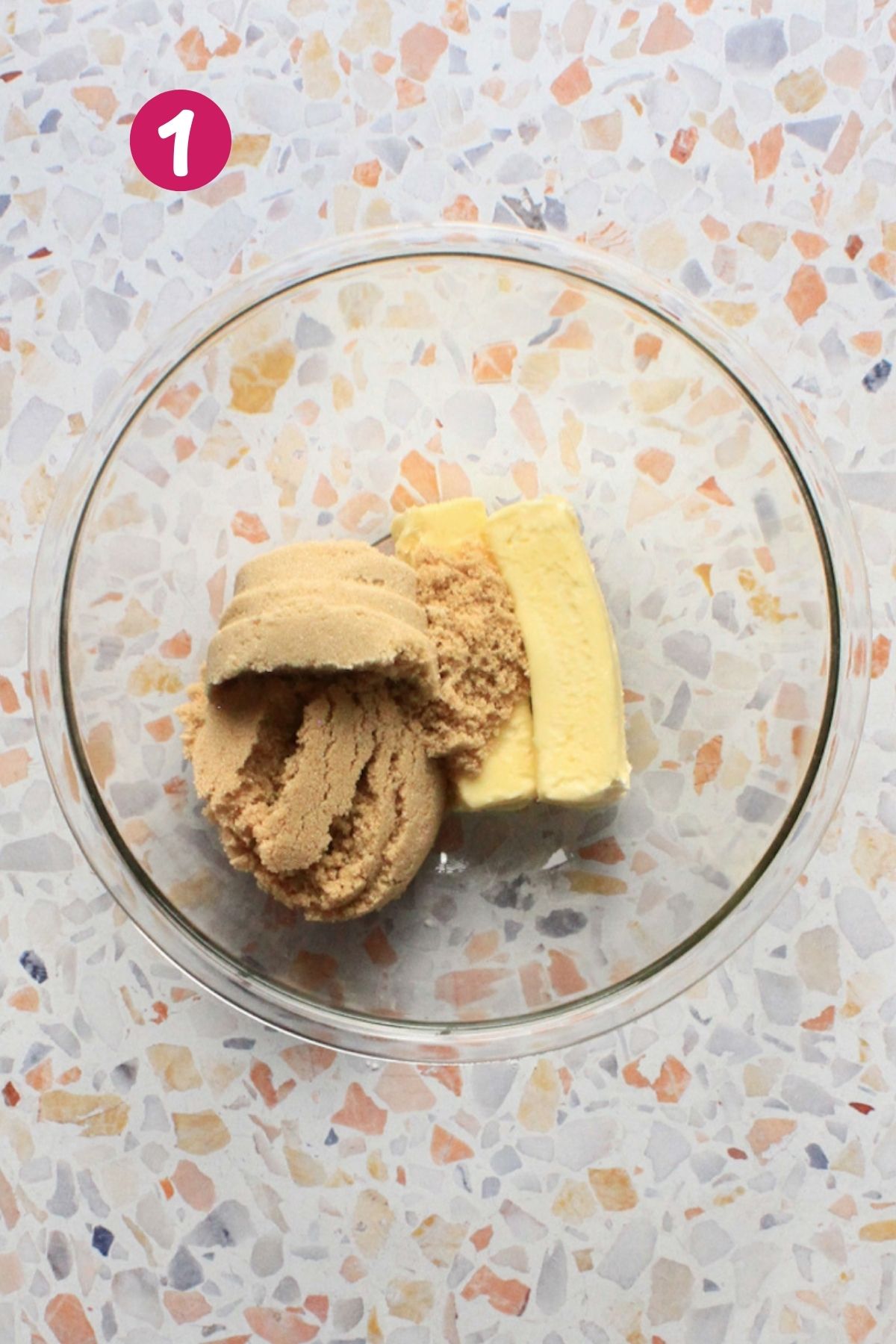
- In a large bowl, cream the room-temperature butter and brown sugar until light and fluffy.
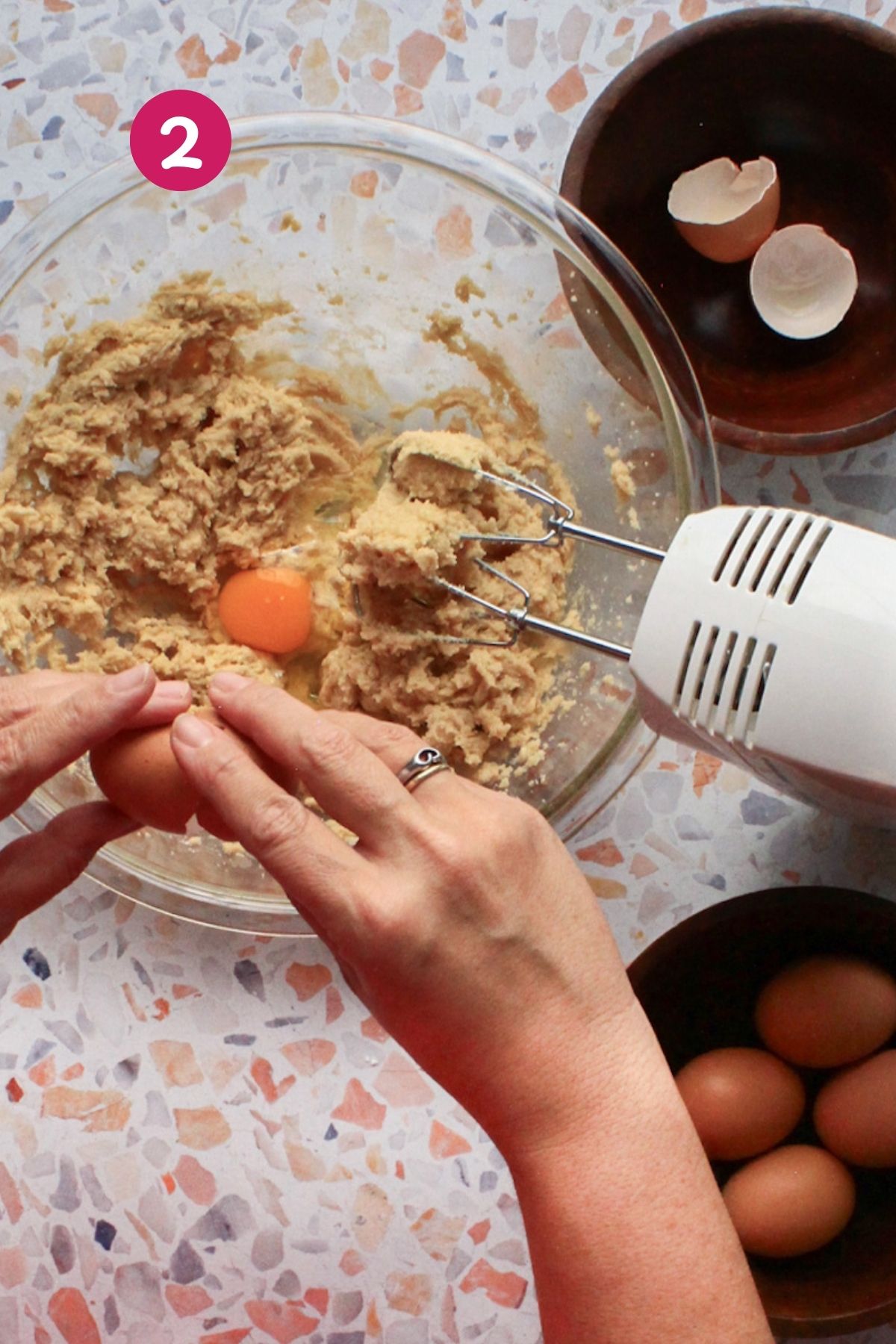
- Incorporate one egg at a time, beating well after each addition.
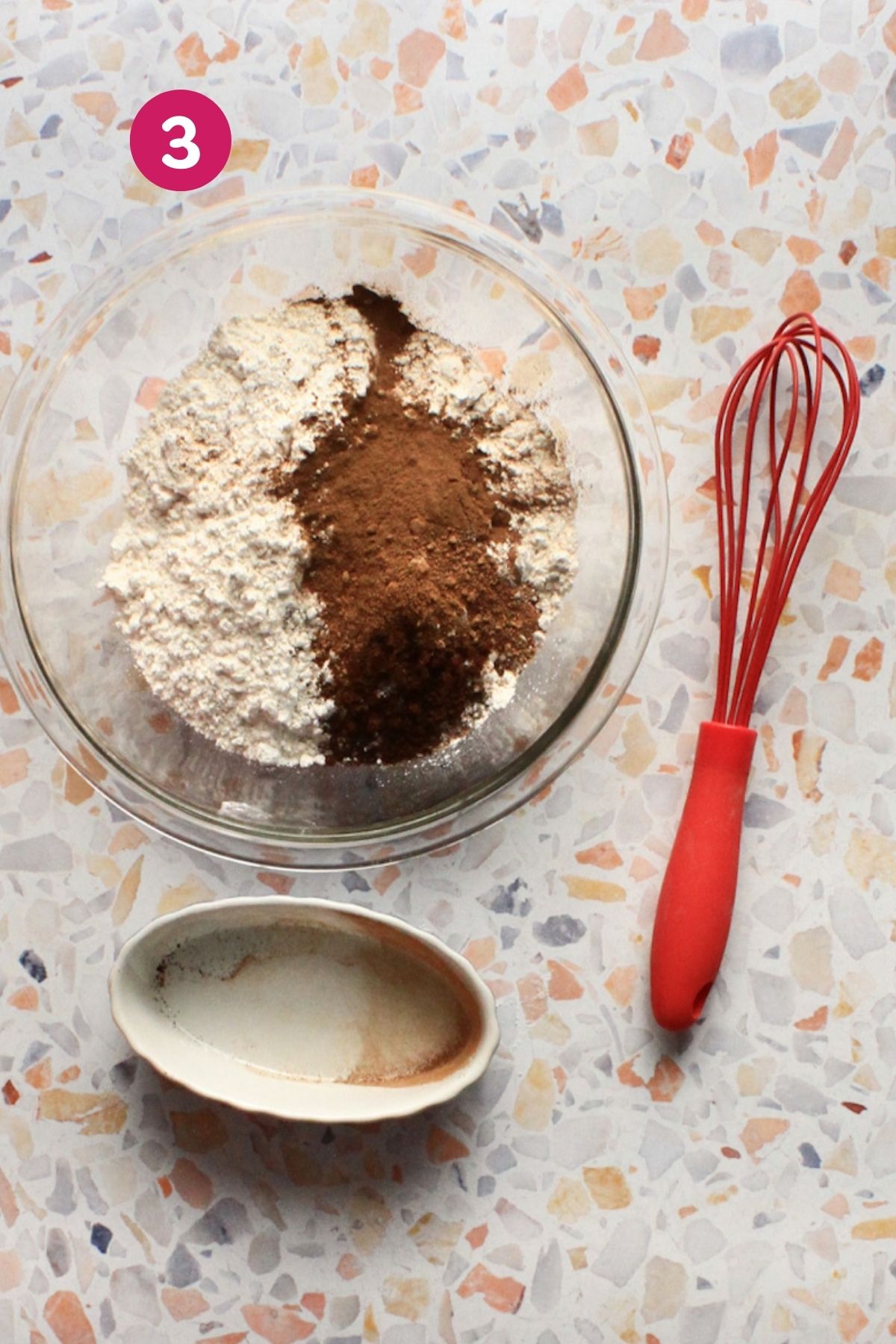
- This step can be done before you start with the butter and set it aside until needed. In a medium bowl, mix and sift together three times the flour, salt, baking powder, cinnamon, cloves, and nutmeg. This aerates the flour and incorporates the spices more homogeneously into the mix.
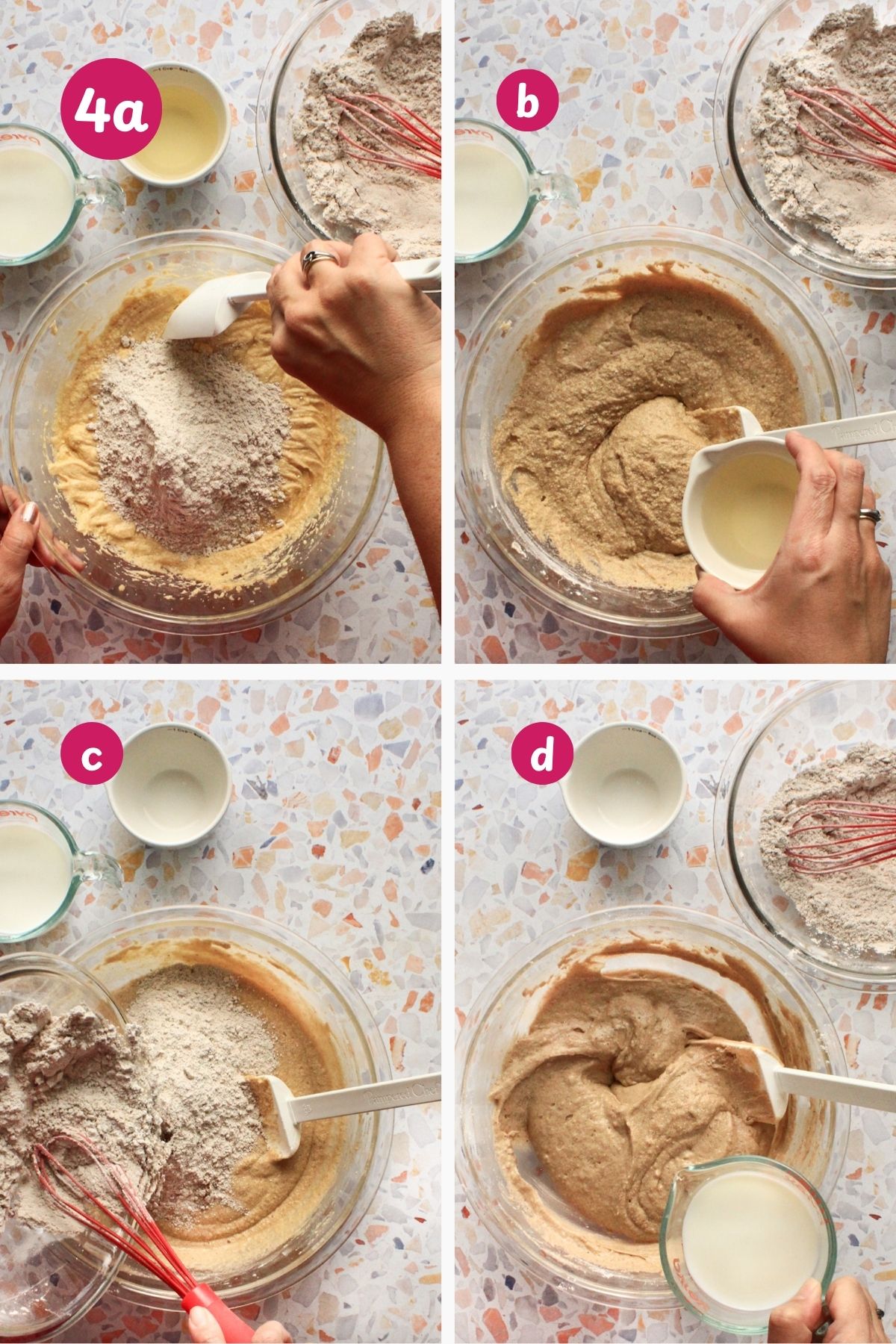
- Alternatively, incorporate the flour, milk, and wine into the egg-and-butter mixture. Start with flour, then wine. Again with flour, then the milk. You can use a hand mixer, a stand mixer, or a whisk/spatula as I did.
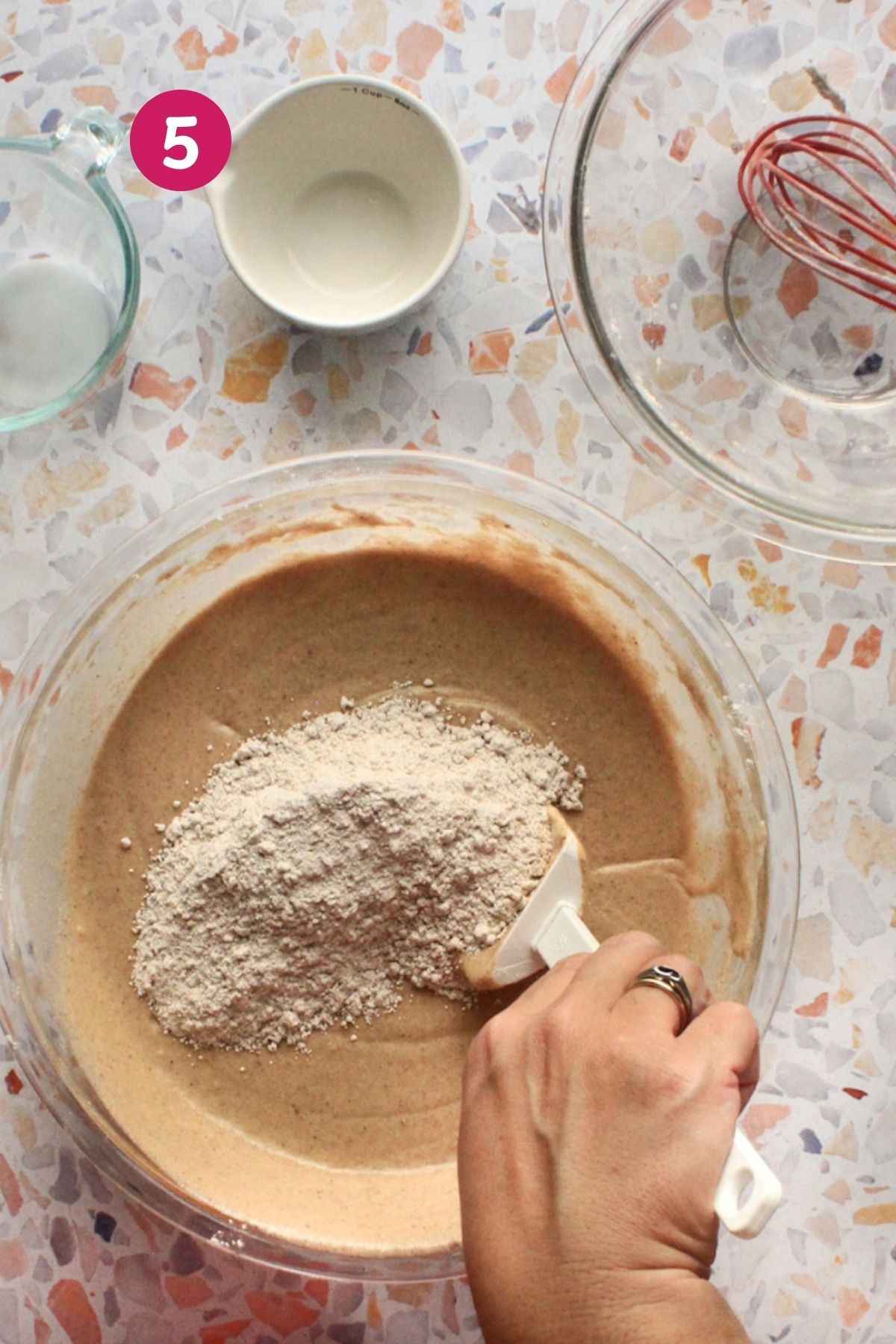
- Ending with flour. Mix until well incorporated.
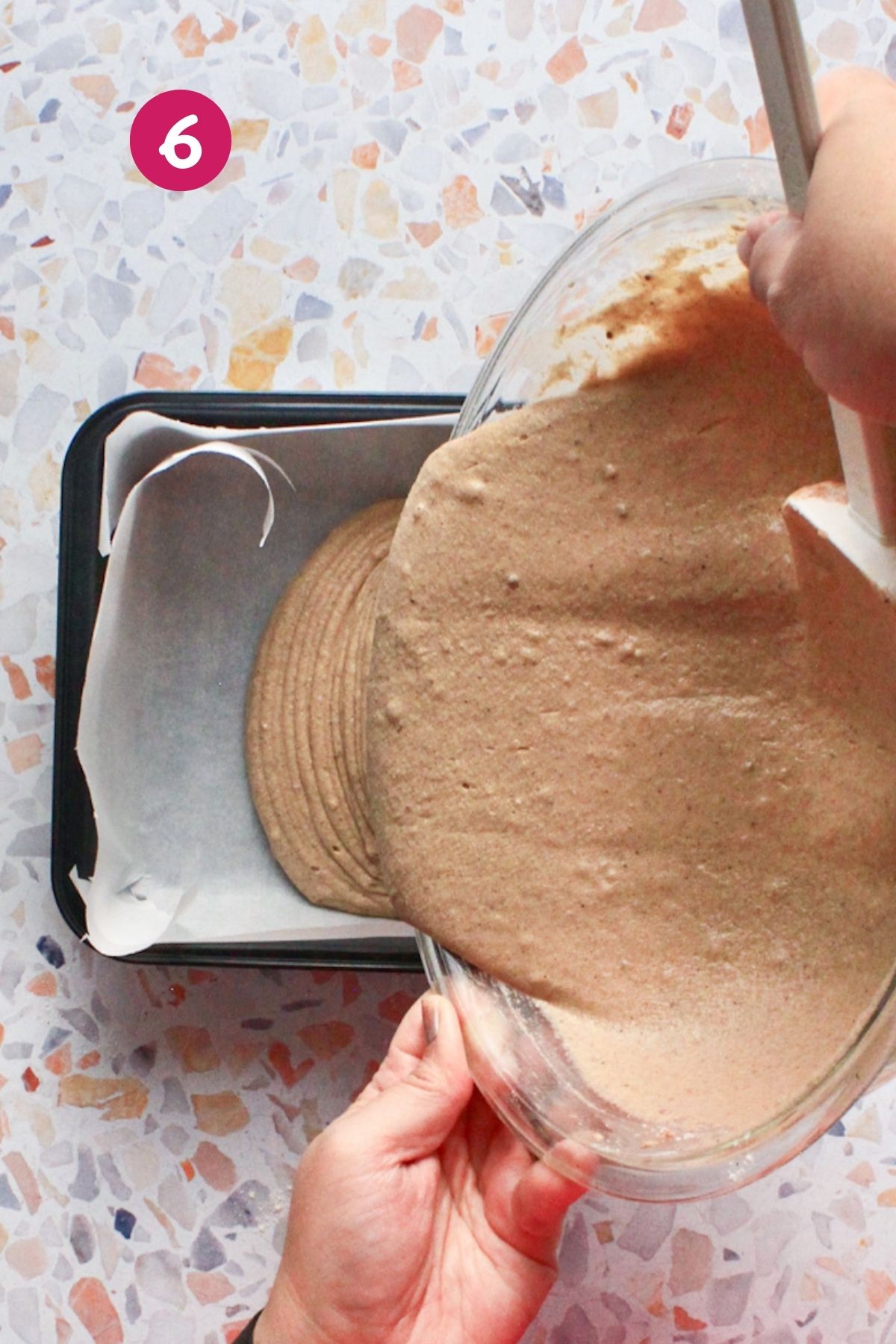
- Pour the batter into the prepared pan. Bake in the preheated oven for about 1 hour, until a toothpick inserted into the center comes out clean. Remove from the oven and let cool on a cooling rack for 5-10 minutes. Then remove from the pan and let it cool completely before dusting with powdered sugar, frosting, ganache, or glaze.
Expert Tips
- Cream the butter and sugar until just light and fluffy; don't overdo it: Over-creaming breaks the butter emulsion, resulting in a greasy crumb. Stop when the mixture is pale and holds its shape.
- Add eggs one at a time: With six eggs going into the batter, adding them all at once risks breaking the emulsion. One at a time, beating well after each, keeps the batter smooth and stable. If two slip in at once, just beat well before continuing.
- Alternate your dry and wet additions: Flour mixture and the milk/wine mixture go in alternately, starting and ending with flour. This prevents the batter from becoming too wet or too stiff at any point, ensuring even mixing.
- Do not overbake: This cake is done when a toothpick comes out clean, and the edges have pulled away from the pan. The crumb should be moist. Set your timer to half the baking time, then check and rotate the cake. Each oven is different, so adjust baking time to your oven preferences.
- Pan options: A metal bundt pan is the recommended vessel for this recipe and will give you the best browning and pattern definition. A springform pan, loaf pan, or round cake pan all work. If using silicone, add 10-15 minutes to the bake time and test the center with a toothpick; silicone insulates rather than conducts heat, and the center will lag behind the edges even in a bundt pan.
- Storage: Store covered at room temperature for up to three days. The flavor actually deepens on day two as the spices settle. Or refrigerate for up to a week. Remove from the refrigerator and let it sit at room temperature before service. For longer storage, wrap individual slices and freeze for up to one month.
Recipe FAQs
In Spanish, hojaldre means puff pastry. In Añasco, Puerto Rico, it means something else entirely. A spiced butter cake that has been made in the same bakery since 1948. The name is a historical curiosity with no definitive explanation, except that it evokes Spain.
Yes. If you need to omit the wine, replace it with an equal amount of milk or coconut milk and add a tablespoon of honey to approximate the sweetness.
Triple sifting aerates the flour and ensures the spices are evenly distributed throughout the batter. It is an older technique that contributes to the delicate crumb that makes hojaldre distinctive.
Of course! A cream cheese frosting pairs naturally with the spice profile, just as it does with carrot cake or a classic American spice cake. You can try my Orange Zest Cream Cheese Frosting from my Tropical Carrot Cake with Bananas and Coconut. You can also create a sugar glaze or use a chocolate ganache.
Yes. Either a 9-inch round or a loaf pan works. Adjust bake time accordingly; a loaf pan will need closer to 55-60 minutes; a round pan will need closer to 40-45 minutes.
No. While both are Puerto Rican spiced cakes, they are distinct recipes with different flavor profiles and structures. Matahambre is built on molasses, black coffee, and ginger; closer in spirit to a gingerbread or dark spice cake. Hojaldre Añasqueño is a butter cake sweetened with brown sugar and moistened with sweet wine, with a lighter, more tender crumb. The two share cinnamon and cloves, but the overall result is noticeably different. If you have had matahambre and are expecting something similar, hojaldre will surprise you.
More Desserts, Sweets, and Breads Recipes


Before You Go . . .
Cooked it and loved it? Rate it. Review it. Share it. Your feedback helps others and keeps this blog cooking.
📖 Recipe
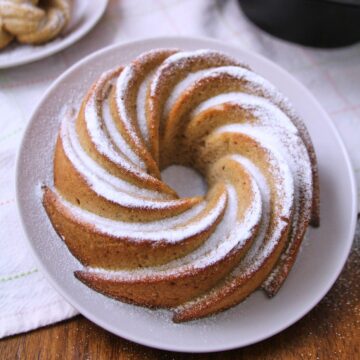
Puerto Rican Spice Cake (Hojaldre Añasqueño)
Equipment
- 1 bundt pan or baking pan with parchment paper
- 1 hand mixer stand mixer or hand whisk
- 1 sifter or mesh strainer
Ingredients
- ½ pound butter at room temperature
- 2 cups brown sugar firmly packed
- 6 eggs
- 3 cups flour
- 1 tablespoon baking powder
- 2 teaspoons ground cinnamon
- 2 teaspoons ground nutmeg
- 1 teaspoon ground cloves (I did not have ground cloves, so I used ½ teaspoon allspice and ½ teaspoon cardamon)
- ¼ teaspoon salt table salt
- 1 cup milk
- ⅓ cup sweet wine I used Moscato wine
- 1 tablespoon Confectioners' powdered sugar sifted (to garnish)
Instructions
- Preheat the oven to 350℉. Have all ingredients at room temperature. If using a bundt pan, spray it with food release or room-temperature butter (not included in the recipe), then dust with flour. For round and square pans, line the pan with parchment paper. It's ok to sift the flour before you begin the process.
- In a large bowl, cream the room-temperature butter and brown sugar until light and fluffy.½ pound butter, 2 cups brown sugar
- Incorporate one egg at a time, beating well after each addition.6 eggs
- This step can be done before you start with the butter and set it aside until needed. In a medium bowl, mix and sift together three times the flour, salt, baking powder, cinnamon, cloves, and nutmeg. This aerates the flour and incorporates the spices more homogeneously into the mix.3 cups flour, 1 tablespoon baking powder, 2 teaspoons ground cinnamon, 2 teaspoons ground nutmeg, 1 teaspoon ground cloves, ¼ teaspoon salt
- Alternatively, incorporate the flour, milk, and wine into the egg-and-butter mixture. Start with flour, then wine. Again with flour, then the milk. You can use a hand mixer, a stand mixer, or a whisk/spatula as I did. Ending with flour. Mix until well incorporated.1 cup milk, ⅓ cup sweet wine
- Pour the batter into the prepared pan. Bake in the preheated oven for about 1 hour, until a toothpick inserted into the center comes out clean.
- Remove from the oven and let cool on a cooling rack for 5-10 minutes. Then remove from the pan and let it cool completely before dusting with powdered sugar, frosting, ganache, or glaze.1 tbsp Confectioners' powdered sugar

Notes
- Cream the butter and sugar until just light and fluffy; don't overdo it: Over-creaming breaks the butter emulsion, resulting in a greasy crumb. Stop when the mixture is pale and holds its shape.
- Add eggs one at a time: With six eggs going into the batter, adding them all at once risks breaking the emulsion. One at a time, beating well after each, keeps the batter smooth and stable. If two slip in at once, just beat well before continuing.
- Alternate your dry and wet additions: Flour mixture and the milk/wine mixture go in alternately, starting and ending with flour. This prevents the batter from becoming too wet or too stiff at any point, ensuring even mixing.
- Do not overbake: This cake is done when a toothpick comes out clean, and the edges have pulled away from the pan. The crumb should be moist. Set your timer to half the baking time, then check and rotate the cake. Each oven is different, so adjust baking time to your oven preferences.
- Pan options: A metal bundt pan is the recommended vessel for this recipe and will give you the best browning and pattern definition. A springform pan, loaf pan, or round cake pan all work. If using silicone, add 10-15 minutes to the bake time and test the center with a toothpick; silicone insulates rather than conducts heat, and the center will lag behind the edges even in a bundt pan.
- Storage: Store covered at room temperature for up to three days. The flavor actually deepens on day two as the spices settle. Or refrigerate for up to a week. Remove from the refrigerator and let it sit at room temperature before service. For longer storage, wrap individual slices and freeze for up to one month.


Jonathan A. Alfaro says
I have made hojaldre in the past using a similar recipe, as wellas my own, so I am sure that this one is equally tasty,
The aim of my response is to shed light on the possible name origin of the dessert. Among the French, there is a spiced cake/bread dessert known as "pain d'epice". Why I mention this? It was one of the first breads to be adapted to the baking innovation of baking soda in the 1800s, which replaced yeast/sour dough as a leavening agent. As such, the name of "hojaldre" likely pertains to it being "leavened" by means of a chemical process. I suspect that grape must, or wine provided the appropriate acid to achieve the desired effect between the spices, and baking soda, as well as augmenting the spices flavors. Portugal also makes a Bolo de Texeira that is similar, as do the Anglo Caribbean colonies with their Spice Buns.
Zoe Forestier Villegas says
Wow, never thought about that! I will look into it and find out. Now, this recipe I found did not call for wine, but in my research, I did see some spice cakes with wine. Do your versions use wine? Do you use a sweet wine, Moscato, Riesling, or even a Rioja (new favorite red)? Thank you, Jonathan, for your insight.