

Gandules, also known as pigeon peas, are a cornerstone of Puerto Rican cuisine and the star ingredient in Arroz con Gandules. These small, earthy legumes bring distinctive flavor and texture to traditional dishes. Whether you use fresh, dried, or canned gandules, knowing how to prepare and cook them properly helps you capture the authentic taste of Puerto Rican cooking.
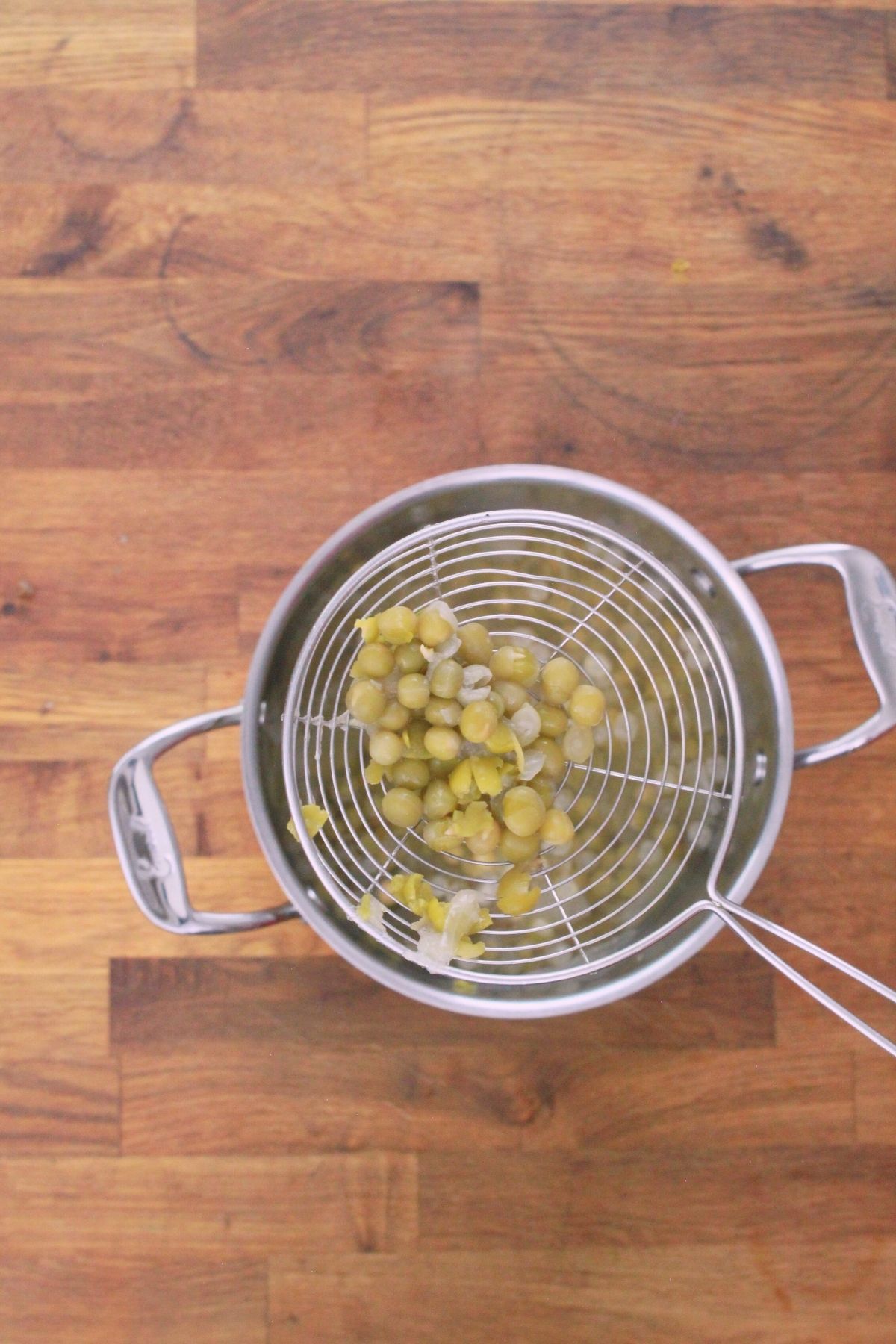
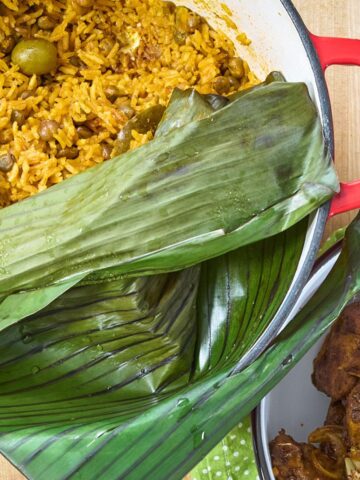
Gandules appear in everything in Puerto Rico, from arroz con gandules to hearty stews and soups. While most commonly associated with holiday celebrations, these versatile peas deserve a place in year-round cooking. Fresh gandules offer the best flavor, but dried and canned varieties make this beloved ingredient accessible year-round.
Planning to cook with gandules? They pair beautifully with Arroz Blanco (White Rice), Pernil (Instant Pot Pernil-Pork Roast), Pollo Asado, or Chuletas Fritas (Pork Chops).
Jump To
What are Gandules?
Gandules (pigeon peas) are small legumes with a mild, nutty flavor and slightly earthy taste. The name comes from the use of these peas as feed for domesticated pigeons and livestock, which is still used in parts of the world. They're true legumes, similar to beans and lentils. When cooked properly, gandules are tender yet hold their shape, making them ideal for rice dishes, stews, and soups.
Fresh, Dried, and Canned Gandules
Fresh Pigeon Peas (Gandules Frescos)
Fresh gandules are shelled from green pods and have a tender texture that cooks relatively quickly. They don't require soaking and can be added directly to dishes during cooking. Fresh peas offer the most authentic flavor but are seasonal and may be harder to find outside of Latin markets, unless you grow them. Gandules are quite easy to grow in tropical zones 9 through 15.
Dried Pigeon Peas (Gandules Secos)
Dried gandules are green, purple, or brown, firm, and require soaking before cooking to soften properly. Once prepared, they have a slightly more concentrated flavor than fresh peas and work beautifully in stews and rice dishes. For complete soaking instructions, see my guide to rehydrated beans.
Canned Pigeon Peas (Gandules Enlatados)
Canned gandules are already cooked and ready to use, making them the most accessible option for home cooks. They work well in rice dishes and stews. Drain and rinse canned gandules before using to remove excess sodium, or use the liquid (called the pot liquor) for added flavor in rice dishes.
Ingredient Notes

- Gandules: for this recipe, we will be using dried pigeon peas.
- Onion and Bay Leaves: Onion and bay leaves add a subtle aromatic flavor to the rehydrated peas.
- Water: Use enough to cover the peas by about an inch for both the soaking and the cooking liquid.
See my recipe card below for a complete list of the ingredients with measurements.
Where to Buy Gandules
Fresh gandules are most commonly found in Latin American markets, especially during the winter months. Dried and canned pigeon peas are available year-round in the international aisle of most supermarkets or online. Popular brands include Goya, Iberia, and La Preferida.
Quick Method to Cook Gandules
This quick-soak method works when you need gandules today but forgot to soak them overnight. For fresh gandules, skip the quick-soak step and go straight to Step 2. I have to say, there is nothing "quick" about this method. The only "quick" thing you are doing is not soaking the peas overnight, but you still have to cook them for 30-45 minutes after the initial soaking. The whole process takes about 1 hour and 45 minutes.
Top Tip: The Flavor Tip
Don't throw away the cooking liquid! The pot liquor from cooking gandules is packed with flavor and starch - save it to use in place of some of the water when making arroz con gandules for an extra layer of depth.
How to make Gandules
This method works for fresh or dried pigeon peas before adding them to another recipe. For the traditional overnight soaking method, see my guide to rehydrated beans.

Step 1
(Dried gandules only - skip for fresh)
Pick through the gandules and remove any defective peas, small stones, or debris. Rinse the gandules and add them to a pot with fresh water, covering them by 2 inches. Bring to a boil for 2 minutes, then remove from the heat. Cover and let sit for 1 hour. Drain and rinse.
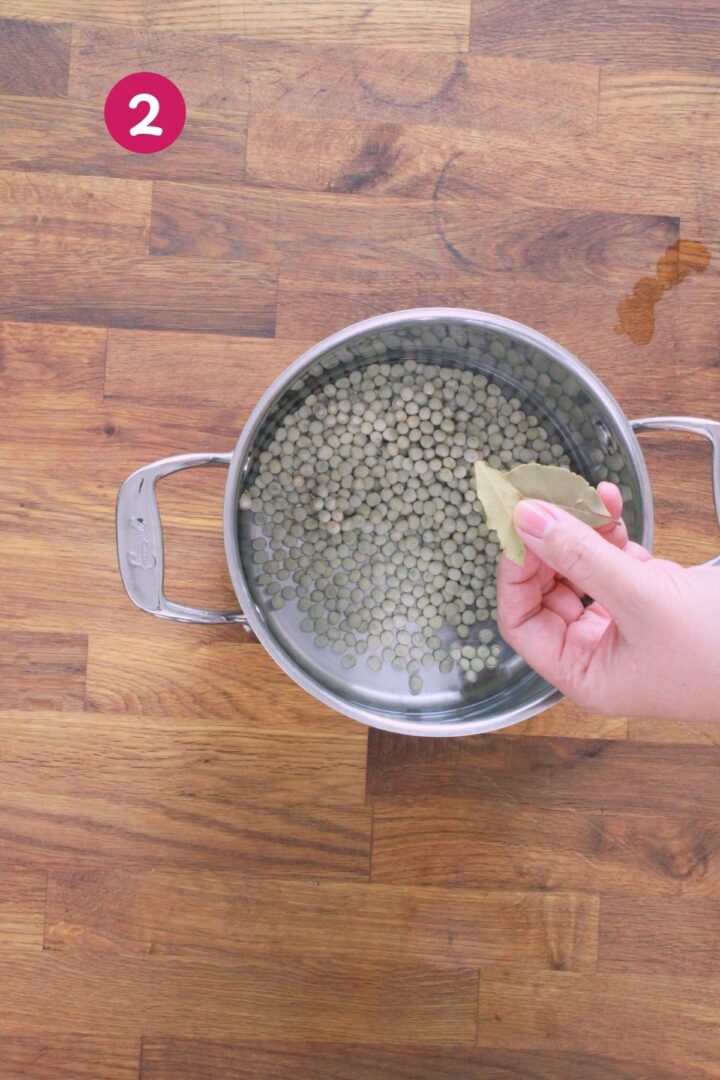
Step 2
Add the gandules to the pot with fresh water, then add aromatics like bay leaf (hoja de laurel).
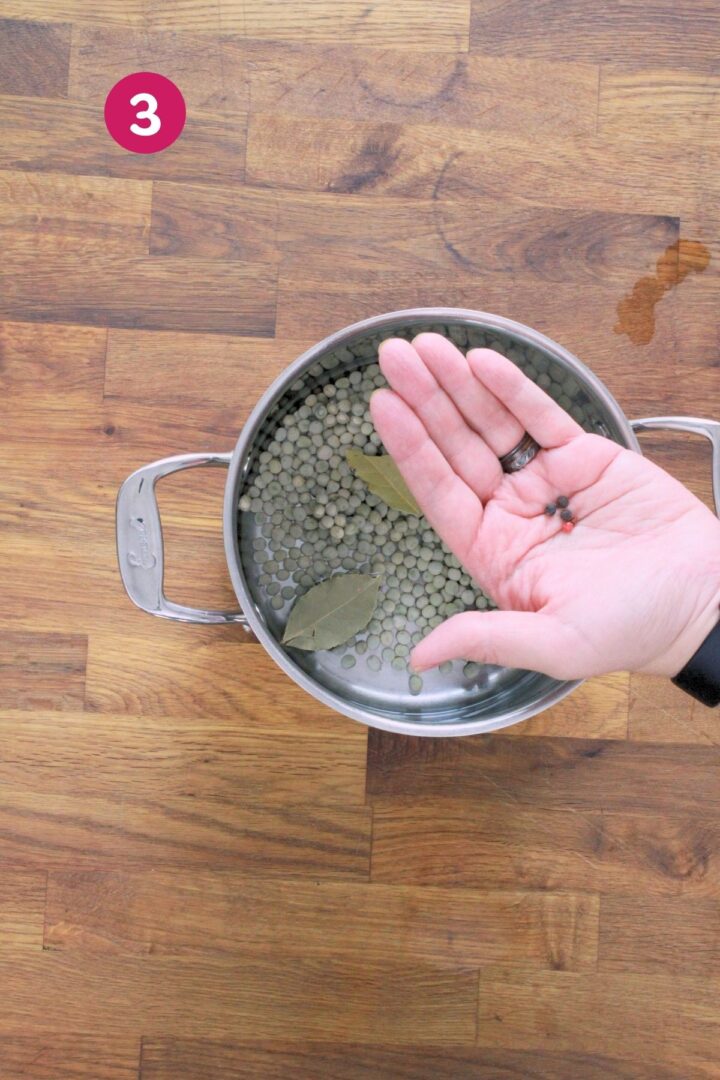
Step 3
Add a few peppercorns (optional).
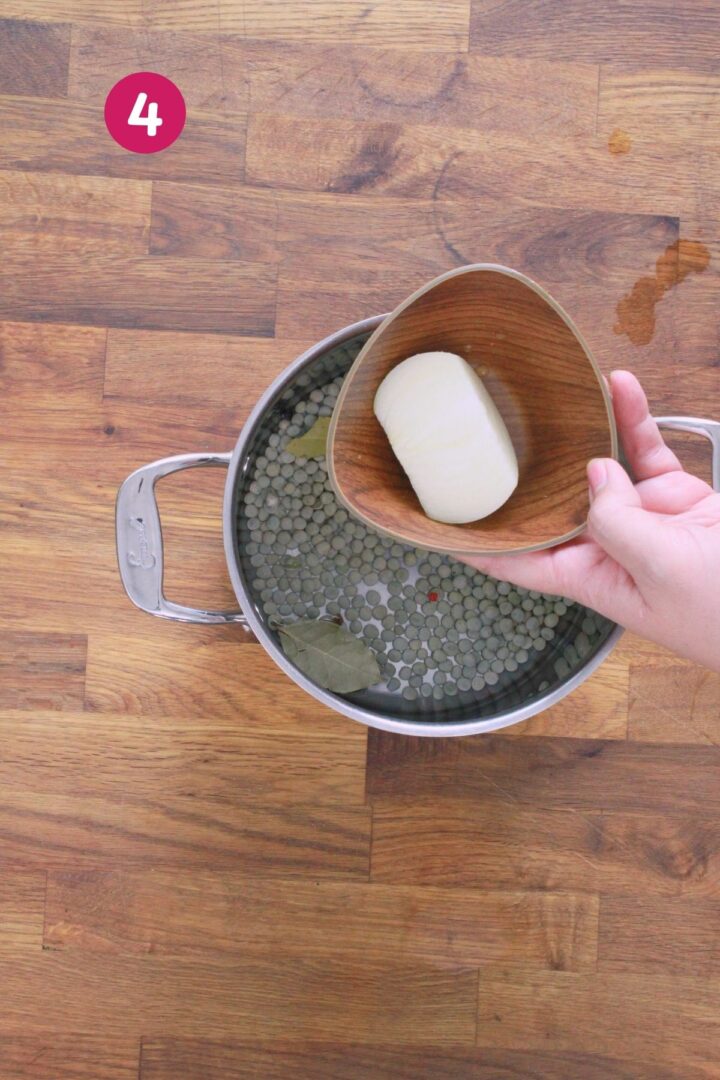
Step 4
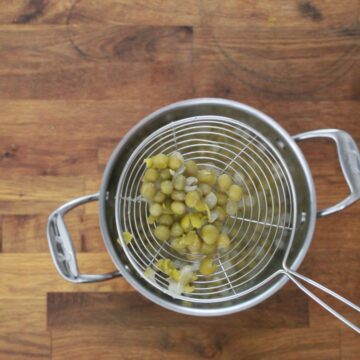
And half an onion. These items will give a subtle flavor to your cooked gandules. Bring to a boil, then simmer for 30-45 minutes, until tender. If using immediately, remove from the liquid and continue cooking with your recipe (reserve some liquid for later use). If using at a later date, remove from the liquid, place the peas in ice-cold water to stop the cooking, then refrigerate or freeze.
Expert Tips
- Allow dry peas to soak overnight whenever possible.
- Pick through the peas before soaking to discard defective peas, small stones and other debris that could have passed through processing.
- Season the water for the initial boiling so that the peas are infused with flavor.
- Cooked pigeon peas can be refrigerated for up to 4 days.
- They can also be frozen in container with cooking liquid for longer storage.
- Dried pigeon peas should be stored in a cool, dry place in an airtight container.
Recipe FAQs
In Puerto Rico, pigeon peas are called gandules. But gandules are also known as congo peas in Africa, toor dal in India, and gungo peas in Jamaica.
No. Pigeon peas and chickpeas are different legumes. Chickpeas are larger, rounder, and firmer, with a more pronounced nutty flavor. Pigeon peas are smaller and softer when cooked.
No. Black-eyed peas are a different type of legume. While they are similar in size, their flavor, texture, and culinary uses differ. Black-eyed peas are bean-shaped, white with a black center (the 'eye'). Both peas have origins in Africa.
While there's no perfect substitute for gandules, in a pinch, you could use black-eyed peas or small kidney beans. However, the flavor and texture will differ, and the dish would not be considered "with gandules."
Yes, dried gandules should be soaked for at least 8 hours before cooking. This softens them and reduces cooking time. For detailed soaking instructions, see my guide to rehydrating beans.
You can either drain and rinse canned gandules to reduce sodium, or use them with their liquid (pot liquor) for added flavor in rice dishes like arroz con gandules. I personally drain and rinse, then use the broth for added flavor.
More Puerto Rican Beans and Legumes
- How To Cook Dried Beans
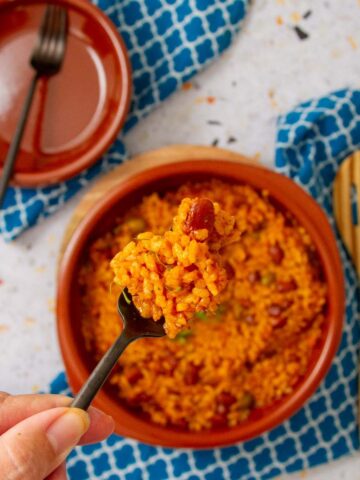
- Mamposteao, a Puerto Rican Leftover Rice Comfort Food
- Arroz con Habichuelas (Puerto Rican Rice with Beans)
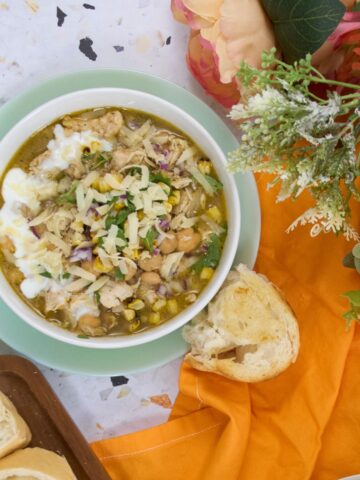
- White Bean Chicken Chili


Before You Go . . .
Cooked it and loved it? Rate it. Review it. Share it. Your feedback helps others and keeps this blog cooking.
📖 Recipe
Gandules (Pigeon Peas)
Ingredients
- 1 cup pigeon peas dried gandules
- 2 gallons water one gallon for soaking, one gallon for cooking
- ½ medium onion
- 6 peppercorns
- 2 bay leaves
Instructions
- This method works for fresh or dried pigeon peas before adding them to another recipe. For the traditional overnight soaking method, see my guide to rehydrated beans.
- (Dried gandules only - skip for fresh)Pick through the gandules and remove any defective peas, small stones, or debris. Rinse the gandules and add them to a pot with fresh water, covering them by 2 inches. Bring to a boil for 2 minutes, then remove from the heat. Cover and let sit for 1 hour. Drain and rinse.
- Add the gandules to the pot with fresh water, then add aromatics like bay leaf (hoja de laurel).
- Add a few peppercorns (optional).
- And half an onion. These items will give a subtle flavor to your cooked gandules. Bring to a boil, then simmer for 30-45 minutes, until tender. If using immediately, remove from the liquid and continue cooking with your recipe (reserve some liquid for later use). If using at a later date, remove from the liquid, place the peas in ice-cold water to stop the cooking, then refrigerate or freeze.

Notes
- Don't throw away the cooking liquid! The pot liquor from cooking gandules is packed with flavor and starch - save it to use in place of some of the water when making arroz con gandules for an extra layer of depth.
- Allow dry peas to soak overnight whenever possible.
-
- They can also be frozen in a container with cooking liquid for longer storage.
- Cooked pigeon peas can be refrigerated for up to 4 days.
- Season the water for the initial boiling so that the peas are infused with flavor.
- Pick through the peas before soaking to discard defective peas, small stones, and other debris that could have passed through processing.

Zoe Forestier Villegas says
Skip the can — fresh gandules are easier to cook than you'd think, and the difference in flavor is worth it. This is my go-to method.