

This Green Tomatillo Salsa Verde is made with fire-roasted tomatillos, cubanelle, and jalapeño, then blended with garlic, onion, culantro, and oregano brujo for a smooth, bold green sauce. It works as a fresh salsa, but it is also thick enough to use as a green enchilada sauce.

This salsa verde is a key ingredient in my White Bean Chicken Chili, but you could use it as a side topping or dip for tostones and tortilla espanola.
This sauce can be used in different ways, depending on how you serve it: as a salsa to spoon over tacos and tostadas, or alongside roasted or grilled meats. It can also be stirred into rice or beans for added flavor.
Jump To
What Is Green Tomatillo Salsa Verde?
Salsa verde is a green sauce made with tomatillos rather than tomatoes.
Tomatillos bring a light tang and natural acidity, which makes this sauce great for balancing richer foods like fried items, roasted meats, and cheesy dishes. In this version, the vegetables are fire-roasted first, which deepens the flavor and softens everything before blending.
Why you'll love this recipe
- Easy: Besides charring the vegetables, this recipe comes together in no time since it all goes into a blender. Make sure to have tortilla chips handy for tasting the heat levels of your sauce.
- Fam Favorite: Because it is relatively easy to make and you can adjust your heat levels, this recipe will quickly become a go-to at your house.
- Customizable: Swap the tomatillos for regular tomatoes or plum tomatoes, and you have regular salsa in no time.
Ingredient Notes

- Tomatillos: The base of the sauce. I used about half a pound for this batch, which yielded enough for enchiladas and white bean chicken chili.
- Cubanelle: Cubanelles are not traditionally used in this type of salsa, but they add mild sweetness with very little heat.
- Jalapeños: These are the more traditional pepper for salsa verde and provide the heat. Use more or less depending on your spice tolerance.
See my recipe card below for a complete list of the ingredients with measurements.
Variations and Substitutions
- Make it red: If you want a red version, swap the tomatillos for red tomatoes and add smoky dried peppers such as chipotle, ancho, guajillo, or pasilla for deeper flavor.
- Make it spicy: Add serrano or habanero peppers for more heat. The more hot peppers you add, the spicier the salsa.
How to make this recipe
Here are the step-by-step instructions to make this recipe
This is not a must have paragraph. But I use it for the times I need to do an explanation of a step that was not photographed. Consider using a collage for the steps if more than six steps.
Top Tip: Why Fire-Roast the Vegetables?
Fire-roasting does three important things:
• Softens the tomatillos and peppers so they blend smoothly
• Adds light smoky flavor
• Tames the sharp raw taste of fresh tomatillos
After roasting, the vegetables are cooled and peeled. You do not need to remove every dark spot, just the loose skin that pulls away easily.

Step 1
Place the tomatillos, cubanelle, and jalapeño directly over a gas flame or under a broiler.
Transfer the vegetables to a plate and let them cool until easy to handle. Peel off the loose blackened skins and discard them.
Remove stems and any tough skin, then set the peeled vegetables aside.

Step 2
Blend the charred vegetables with the remaining ingredients until well combined or to the desired chunkiness.
You may rough chop the veggies before blending for easier pulsing.

Step 3
Once blended, pour into an airtight container and refrigerate.
Expert Tips
- Don't rush the charring. Let the tomatillos and peppers blister fully before turning them. You want blackened spots and bubbling skins, not heavy burning. The char adds light smokiness and helps balance the natural acidity of tomatillos.
- After charring, cover the vegetables. Place them in a zipper bag or on a plate lightly covered with plastic wrap. The trapped steam loosens the skins and makes peeling easier.
- Use a paper towel when removing the charred skins, so you don't transfer hot pepper oils to your hands. Gloves are still recommended when handling hot peppers, and always wash your hands thoroughly before touching your face, eyes, or ears.
- It's fine if a few small pieces of charred skin remain on the vegetables. They add visual depth and a mild smoky flavor to the finished salsa.
- Store salsa verde in a sealed container in the refrigerator for up to 4-5 days. The flavor stays bright, though the green color may darken slightly over time. That is normal.
- For longer storage, freeze in small containers. Thawed salsa works best for cooking, sauces, and marinades.
Recipe FAQs
It is mild to medium, depending on how hot your jalapeño is and how many seeds you include. If you want it milder, remove the seeds before blending.
Ye. The flavor improves after it rests, so making it a day ahead works well. Store it in the refrigerator in a sealed container.
Yes, freeze it in small portions so you can thaw only what you need later. It works well after thawing for cooking and sauced dishes like enchiladas and chili.
More Sauces and Marinades Recipes
- Puerto Rican Garlic Paste
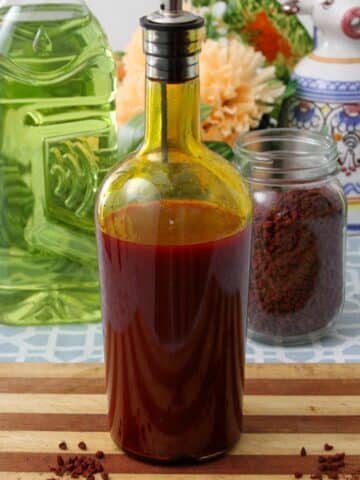
- Achiote Oil
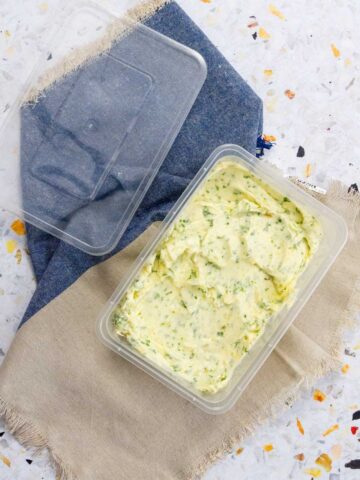
- Roasted Garlic And Herb Compound Butter
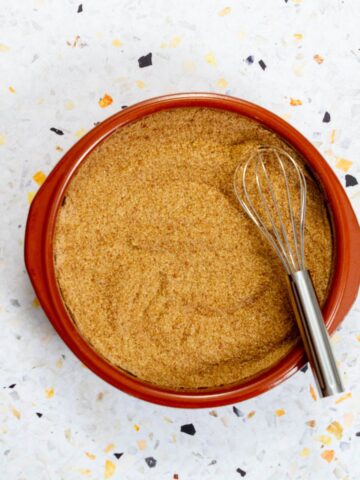
- Homemade Puerto Rican Adobo Seasoning

Before You Go . . .
Cooked it and loved it? Rate it. Review it. Share it. Your feedback helps others and keeps this blog cooking.
📖 Recipe

Green Tomatillo Salsa Verde
Equipment
Ingredients
- ½ lbs green tomatillos
- 2 cubanelles
- 2 jalapeños
- 3 aji dulces, sweet peppers
- 1 cup chicken broth
- 2 tablespoon sofrito
- 3 whole garlic cloves peeled
- 1 teaspoon cumin
- 1 onion peeled and rough chopped
- 2 sprigs culantro
- 3 leaves oregano brujo
Instructions
- Place the tomatillos, cubanelle, and jalapeño directly over a gas flame or under a broiler. Transfer the vegetables to a plate and let them cool until easy to handle. Peel off the loose blackened skins and discard them. Remove stems and any tough skin, then set the peeled vegetables aside.
- Blend the charred vegetables with the remaining ingredients until well combined or to the desired chunkiness. You may rough chop the veggies before blending for easier pulsing.
- Once blended, pour into an airtight container and refrigerate.

Notes
• Adds light smoky flavor
• Tames the sharp raw taste of fresh tomatillos After roasting, the vegetables are cooled and peeled. You do not need to remove every dark spot, just the loose skin that pulls away easily.
- Don't rush the charring. Let the tomatillos and peppers blister fully before turning them. You want blackened spots and bubbling skins, not heavy burning. The char adds light smokiness and helps balance the natural acidity of tomatillos.
- After charring, cover the vegetables. Place them in a zipper bag or on a plate lightly covered with plastic wrap. The trapped steam loosens the skins and makes peeling easier.
- Use a paper towel when removing the charred skins, so you don't transfer hot pepper oils to your hands. Gloves are still recommended when handling hot peppers, and always wash your hands thoroughly before touching your face, eyes, or ears.
- It's fine if a few small pieces of charred skin remain on the vegetables. They add visual depth and a mild smoky flavor to the finished salsa.
- Store salsa verde in a sealed container in the refrigerator for up to 4-5 days. The flavor stays bright, though the green color may darken slightly over time. That is normal.
- For longer storage, freeze in small containers. Thawed salsa works best for cooking, sauces, and marinades.


Zoe Forestier Villegas says
I love that I can use this recipe as a dip for my tortilla chips, as a sauce for enchiladas, and in chili.