
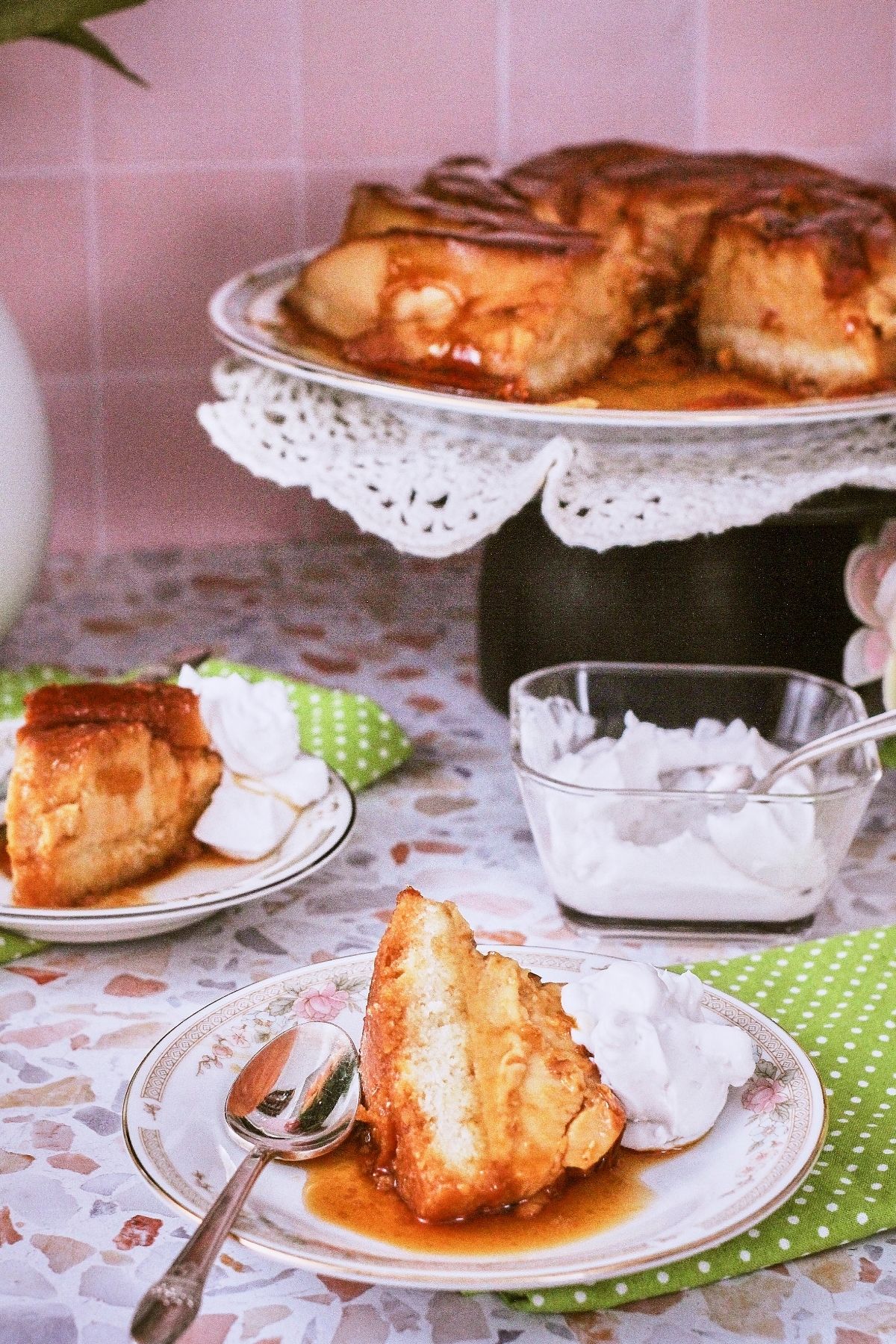
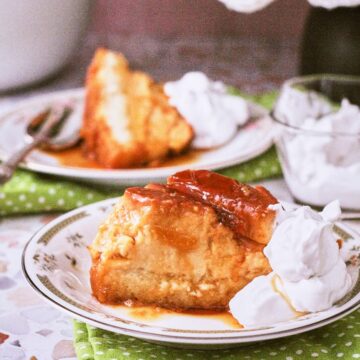
Flancocho is the dessert Puerto Ricans bring out when they want to make an impression. A layer of silky vanilla flan rests atop a cake layer, all held together by a deep-amber caramel that runs down the sides. One thing sets it apart from the rest: no box cake mix.

Flancocho is a showstopper dessert, and the perfect finish to any celebration table: Easter, Mother's Day, a birthday, you name it. Serve it alongside Instant Pot Pernil, Arroz con Gandules, and Guineitos en Escabeche, and you have a spread that nobody is walking away from hungry.
For more traditional Puerto Rican desserts, try Pistachio Tembleque, a silky coconut no-bake custard with a delicate pistachio flavor; Budin de Pan, a dense yet soft and decadent cake; and Polvorones, crumbly shortbread cookies topped with jam or sprinkles.
Jump To
Why you'll love this recipe
- It's made entirely from scratch: The cake, the flan, and the caramel, so the flavor is richer and more complex than any box mix version
- It's a make-ahead dessert: Flancocho actually gets better after a night in the refrigerator, which makes it perfect for entertaining
- One pan, two desserts: The flan is creamy and custardy; the cake is tender and buttery; together they are something else entirely
- Showstopper: That caramel flip moment never gets old
What Is Flancocho?
The name says everything: flan plus bizcocho, the Puerto Rican word for cake. To look at it is quite impressive, hence the name Impossible Cake. How do you get a silky custard to sit on top of a spongy cake with caramel running over it at unmolding? The answer is science. You start with caramel at the bottom of the pan, pour in the custard, then top it with cake batter. The custard is denser than the cake batter, so as they bake, they naturally separate. The custard sinks and congeals at the bottom while the cake rises above it. When you flip it, the layers are completely distinct, with not a trace of mixing between them.
Ingredient Notes
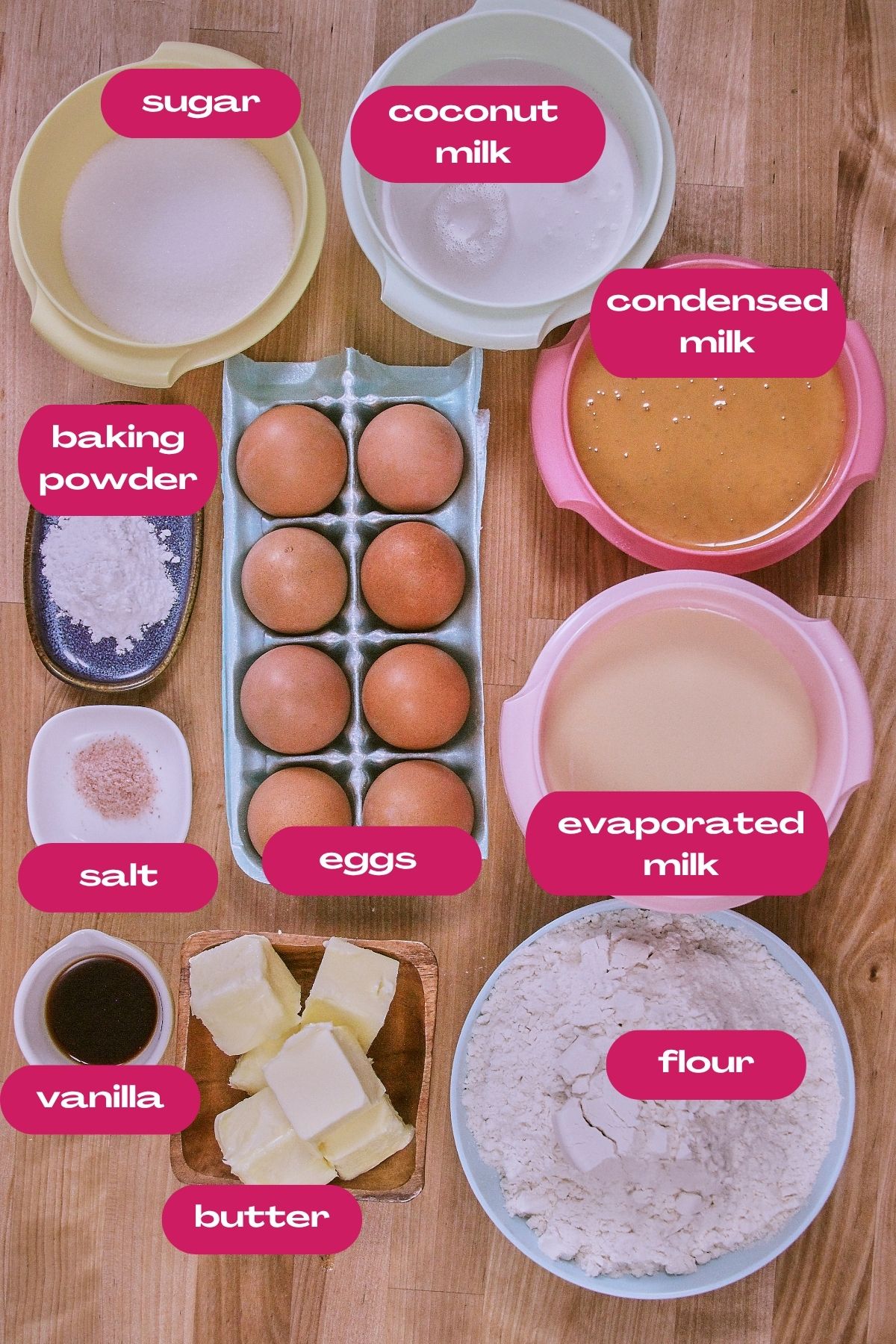
- Eggs: Eggs are key to both the cake and the custard. The egg protein coagulates and gives structure to the flan.
- Evaporated Milk: Milk adds moisture to the cake and brings fat that helps liquefy the eggs, which in turn makes the custard silky and creates a great mouthfeel.
- Condensed Milk: Condensed milk gives the custard a sweet caramel flavor that echoes the caramel topping.
See my recipe card below for a complete list of the ingredients with measurements.
Variations and Substitutions
- Cake Mix: Every other flancocho recipe on the internet reaches for a box of cake mix: chocolate, vanilla, or even spice cake. It works, and it is one of the easiest ways to make this dessert. But I made this recipe because I prefer to make my cakes from scratch. You have better control of your ingredients, and it tastes much better.
- Cream Cheese: Blend cream cheese into the flan mixture. I would use a blender to blend the milk and cream cheese, then let it rest. Then add the eggs and incorporate them with the whisk; this way, we eliminate the bubbles in the flan batter.
- Coconut Milk: I rarely buy cow's milk. I am intolerant, and I find I can substitute almost everything with coconut milk. As a matter of fact, I did run out of milk for this recipe, and I used coconut milk in the cake, and it came out really good with a hint of flavor. Even the whipped cream is coconut milk.
Top Tip
The water bath, or bain marie, is the most important step in this recipe. It regulates the oven temperature around the flan, allowing it to set slowly and evenly. Without it, the high oven heat will cause the eggs in the custard to cook too fast, resulting in a grainy, curdled flan that will not separate cleanly from the cake layer. Place the cake pan inside a braiser or roasting pan, then fill it with hot water halfway up the sides of the mold before placing it in the oven.
How to make Flancocho
Preheat oven to 350°F (175°C). Grease your Bundt or tube pan well, paying attention to all the grooves.
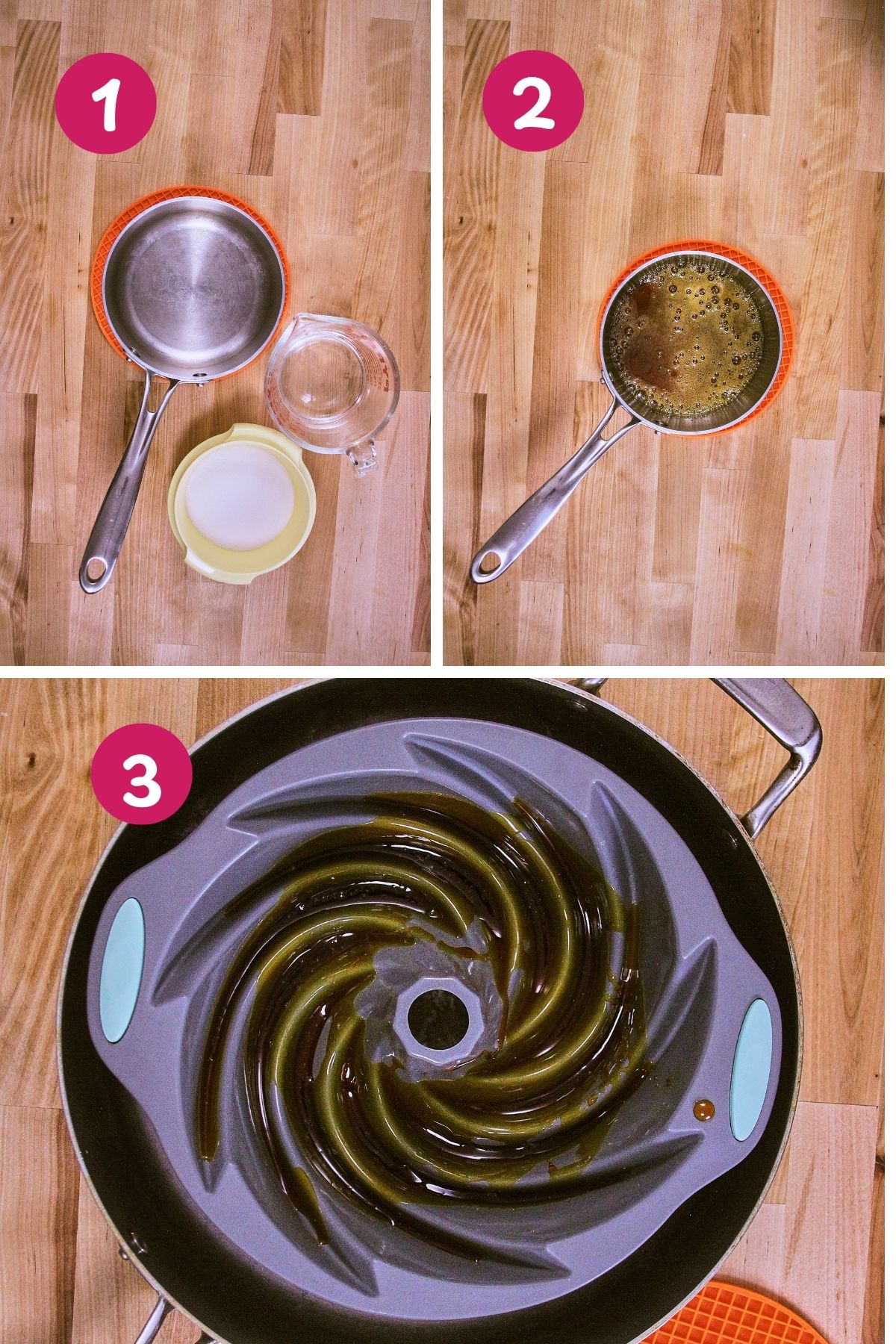
- Make the caramel. Add sugar and a small amount of water to a saucepan over medium heat. Do Not Stir. Stirring will cause the sugar to clump and crystallize, and it will not melt properly, making the caramel grainy and gritty. Swirl the pan gently instead.
- Watch as it turns golden, then amber. The moment it hits a deep copper color, pour it immediately into your greased bundt pan and tilt to coat as much of the surface as possible
- Work quickly as it sets fast. Set aside to cool completely before adding anything else. In a silicone mold, this step is unnecessary because the caramel will not adhere to the mold walls.
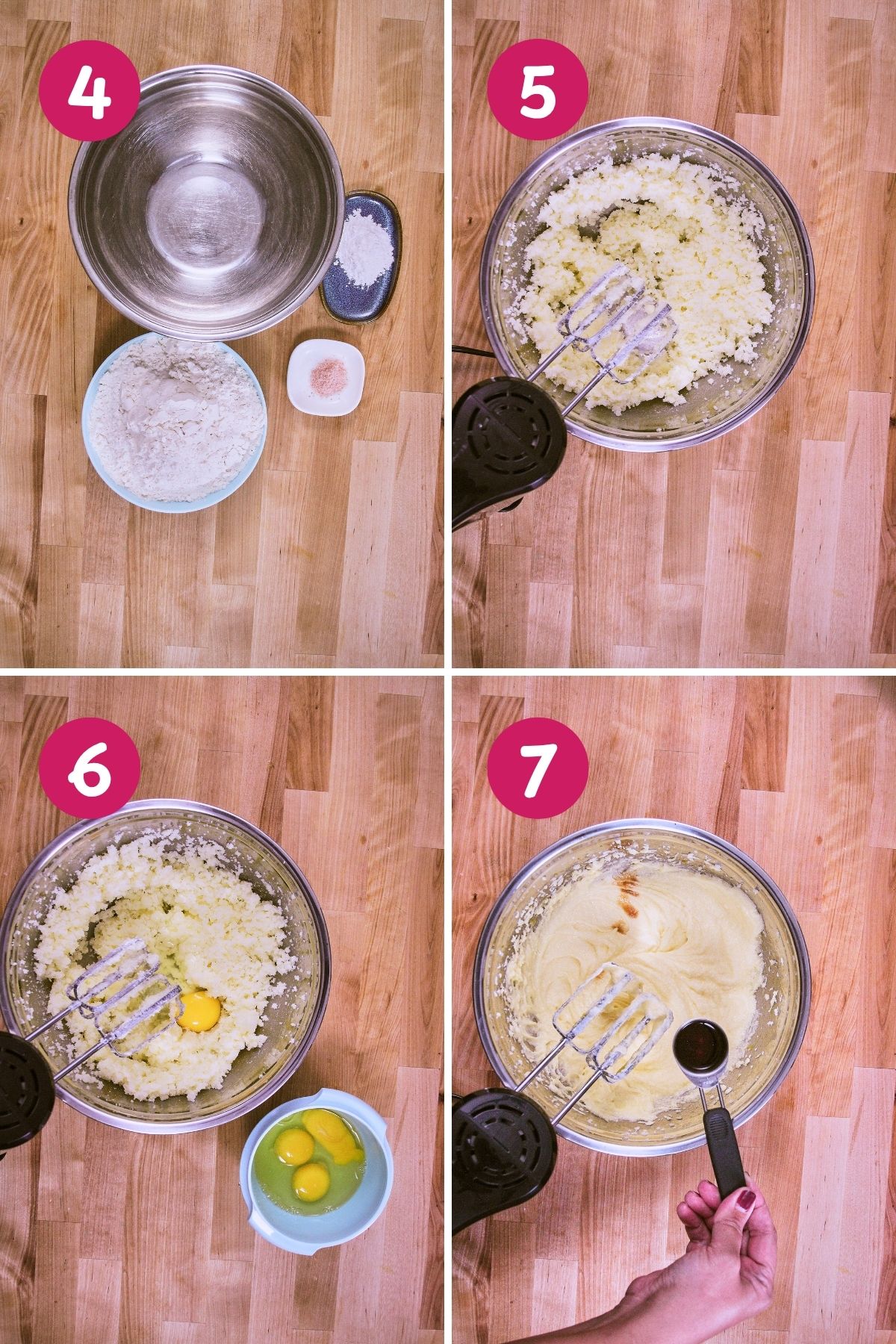
- Make the bizcocho. Mix your dry ingredients and set aside.
- Cream the butter and sugar until light and fluffy.
- Add the eggs one at a time, beating after each addition.
- Add the vanilla.
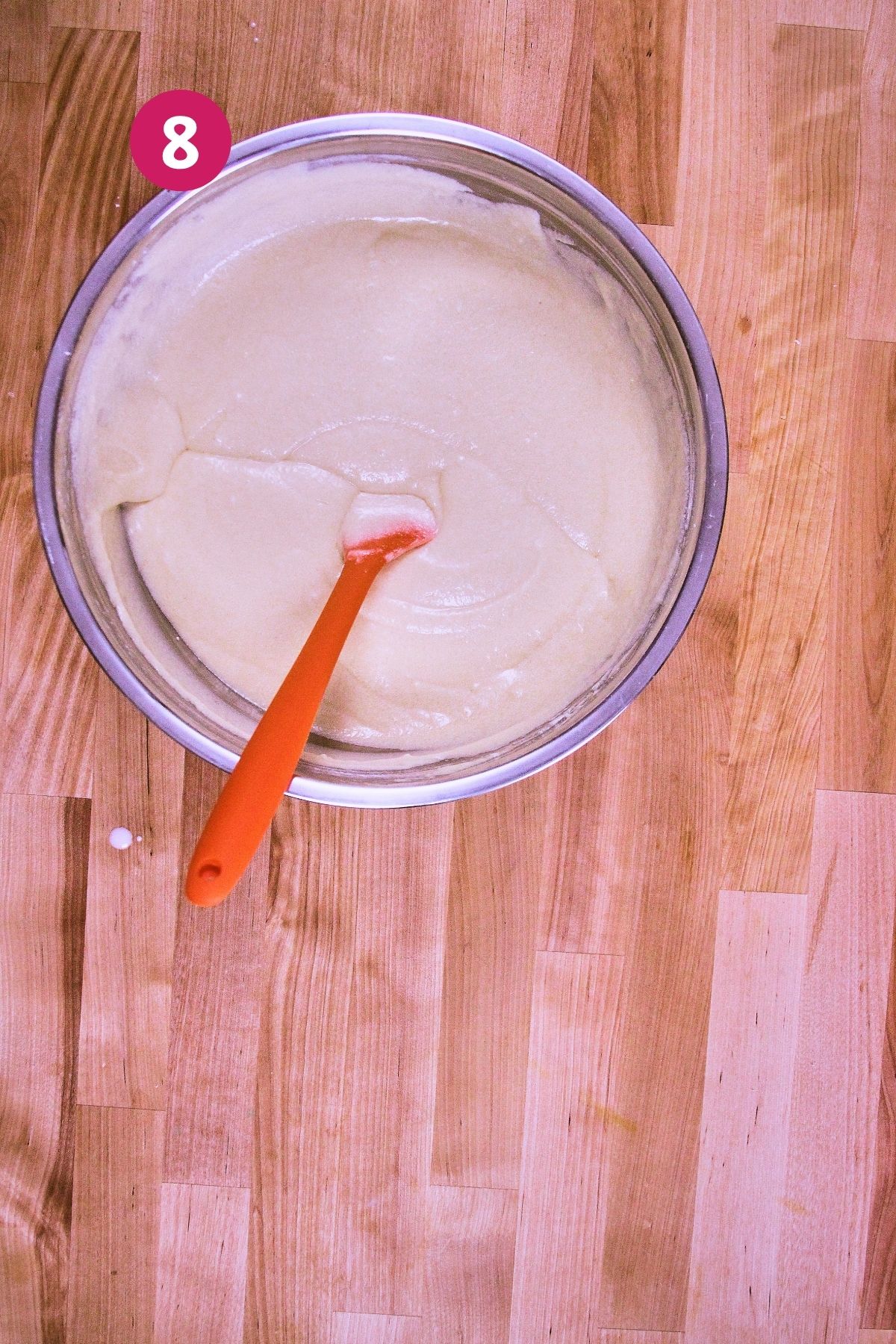
- Alternately, add the flour mixture and the coconut milk in three additions, beginning and ending with flour. Mix only until just combined. Set the batter aside while we make the custard.
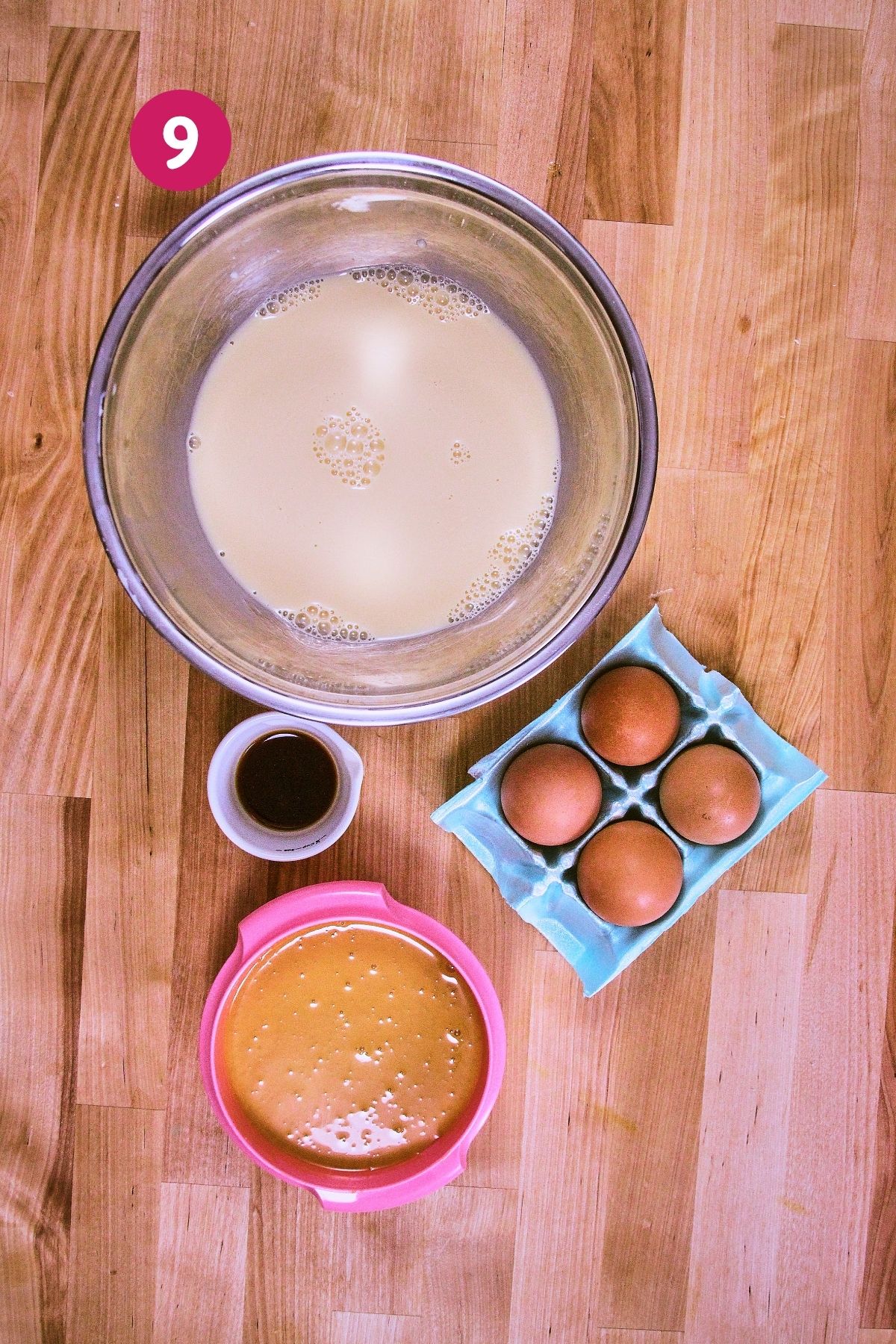
- For the flan you will need the evaporated milk, vanilla, eggs, and condensed milk.
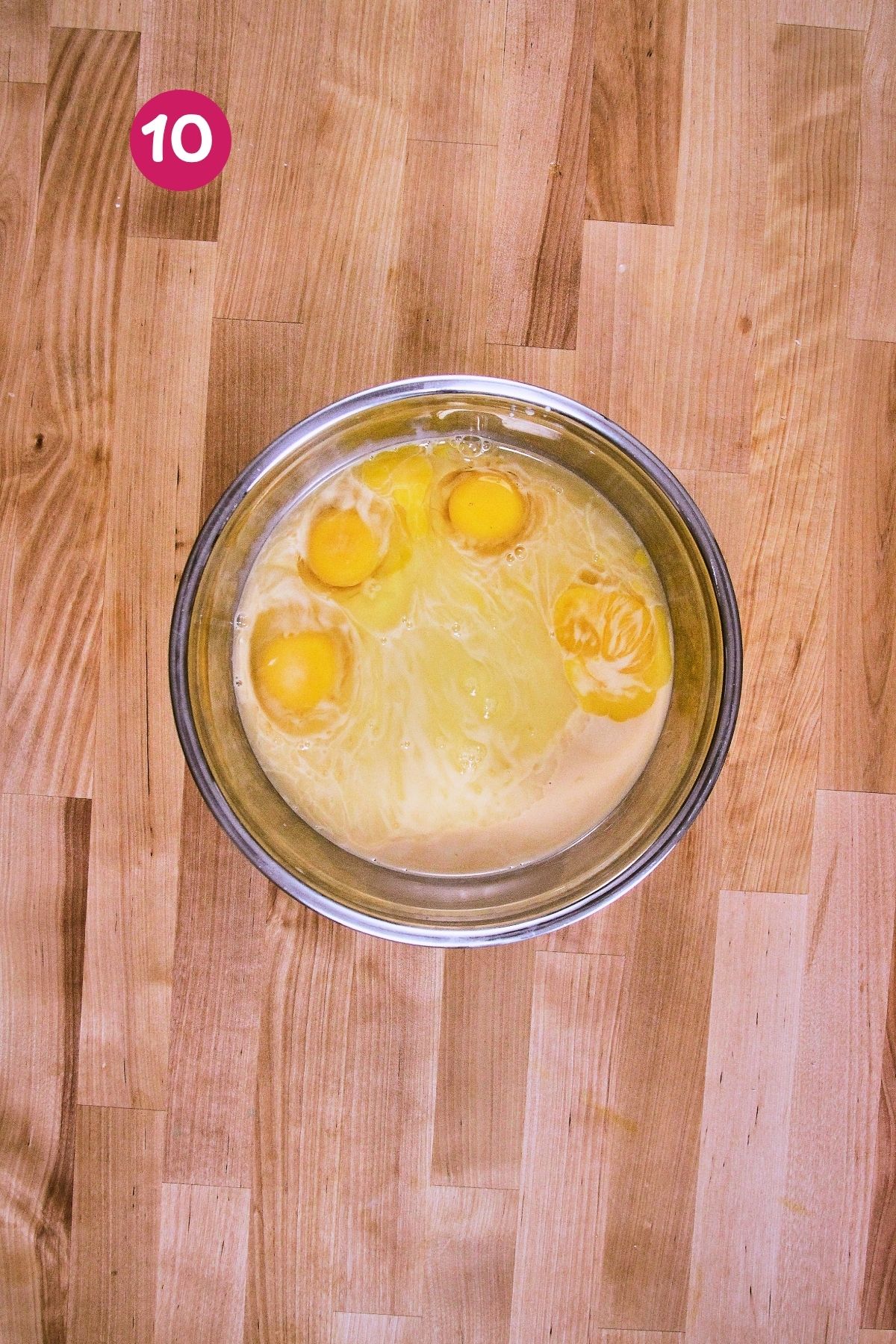
- Make the flan. Combine the evaporated milk, condensed milk, eggs, and vanilla in a bowl and whip with a hand whisk until fully blended and smooth. We beat gently so as not to add air to the batter. For a silkier texture, pass the custard mixture through a mesh colander to remove any egg residue that did not incorporate.
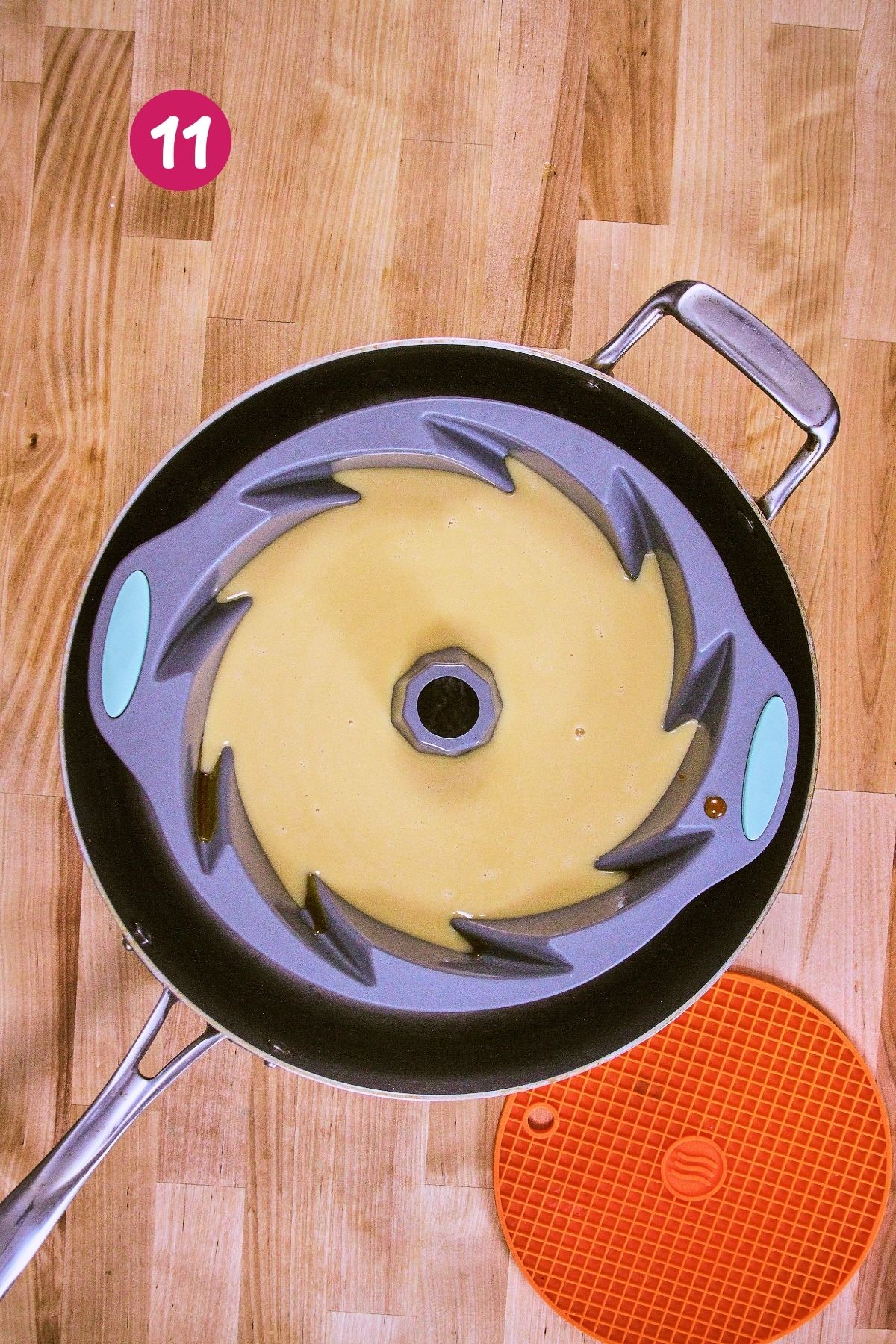
- Assemble. Pour the flan mixture into the bundt pan over the cooled caramel.
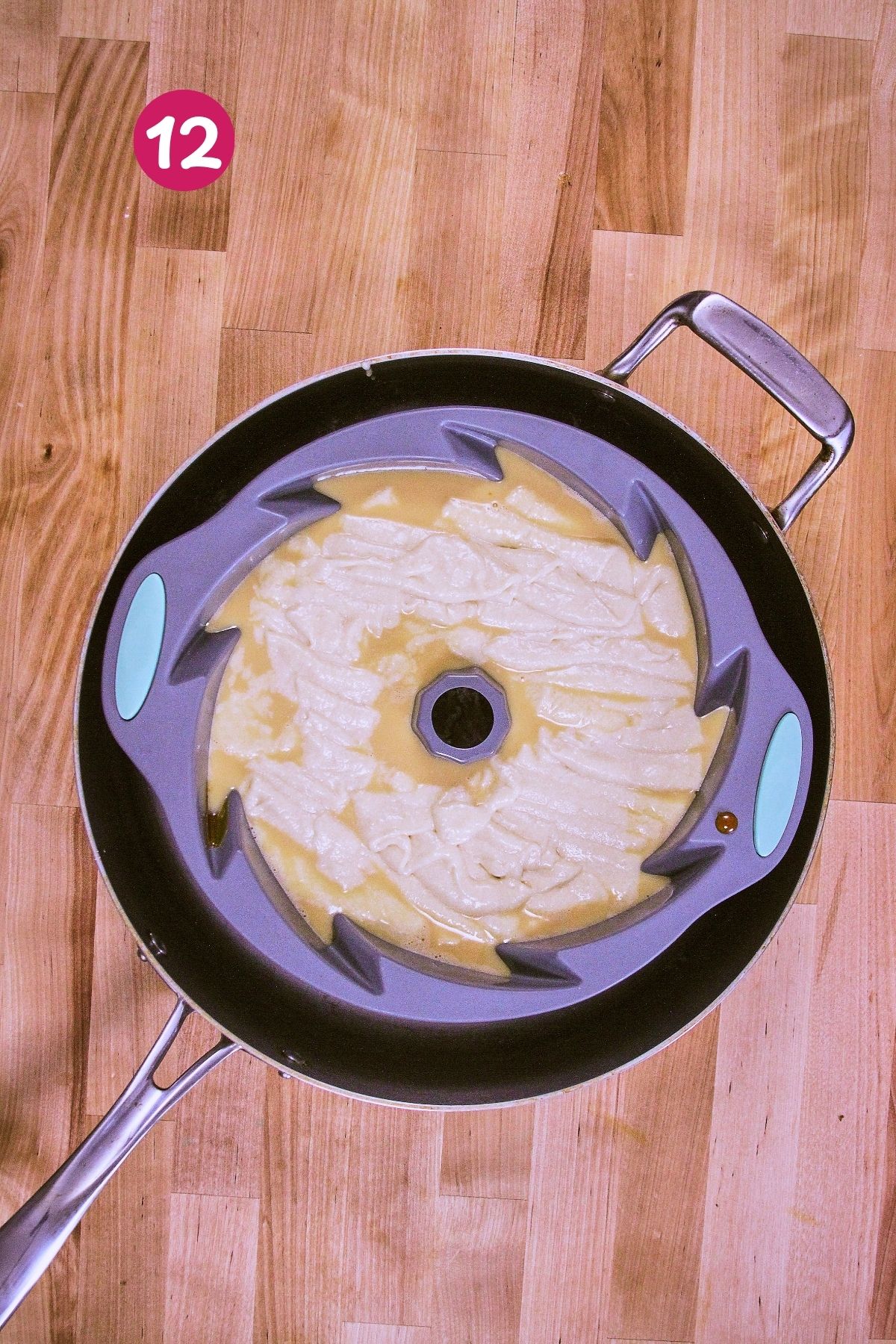
- Then gently pour the cake batter over the flan. It will look like a mess, but trust the process. Do not stir the mixtures.
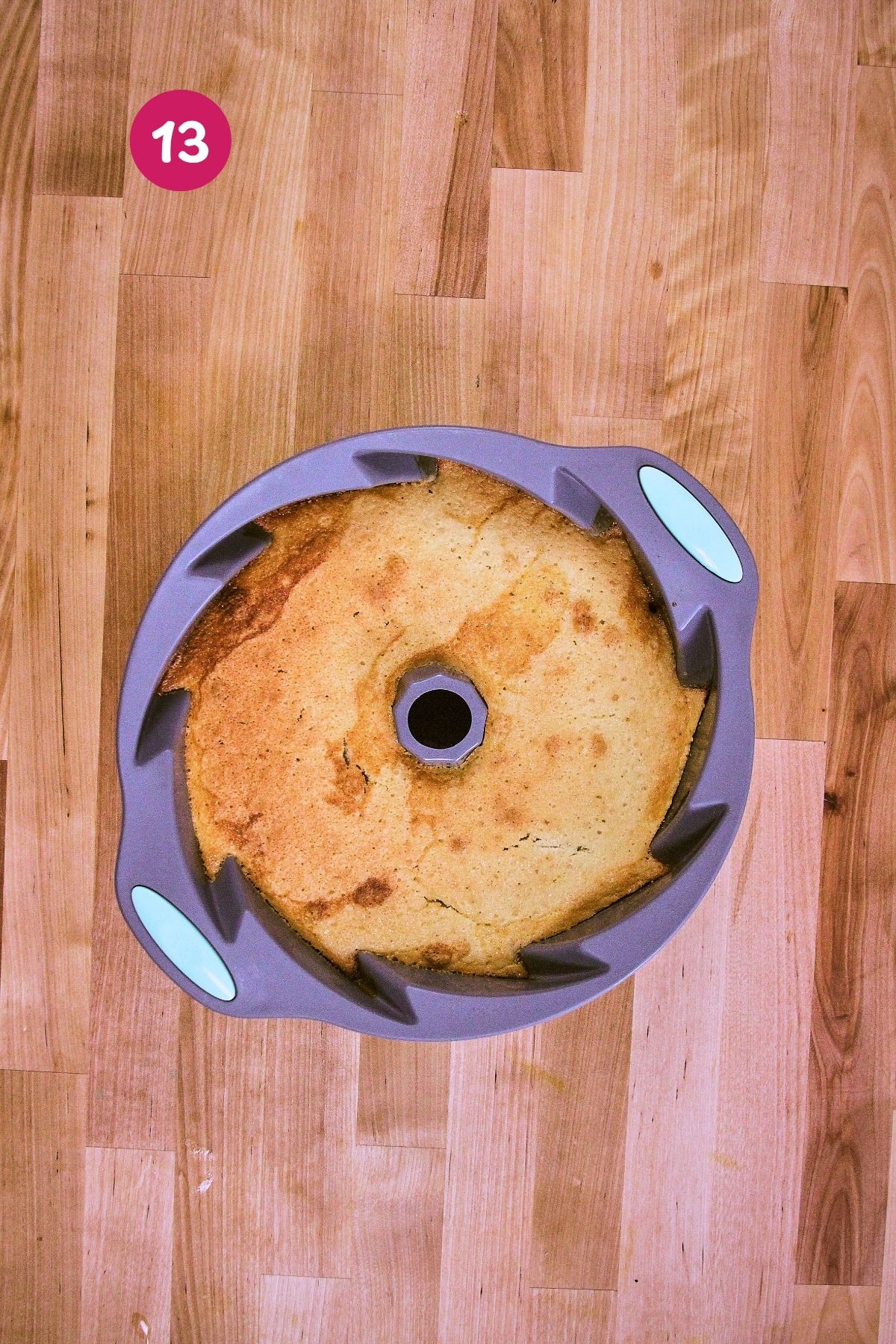
- Bake. Place the bundt pan inside a large braiser or roasting pan. Add hot water to the outer pan until it reaches halfway up the sides of the bundt pan. This water bath is non-negotiable; it regulates the heat so the flan sets slowly and evenly without curdling. Bake at 350°F until a toothpick inserted in the cake portion comes out clean.
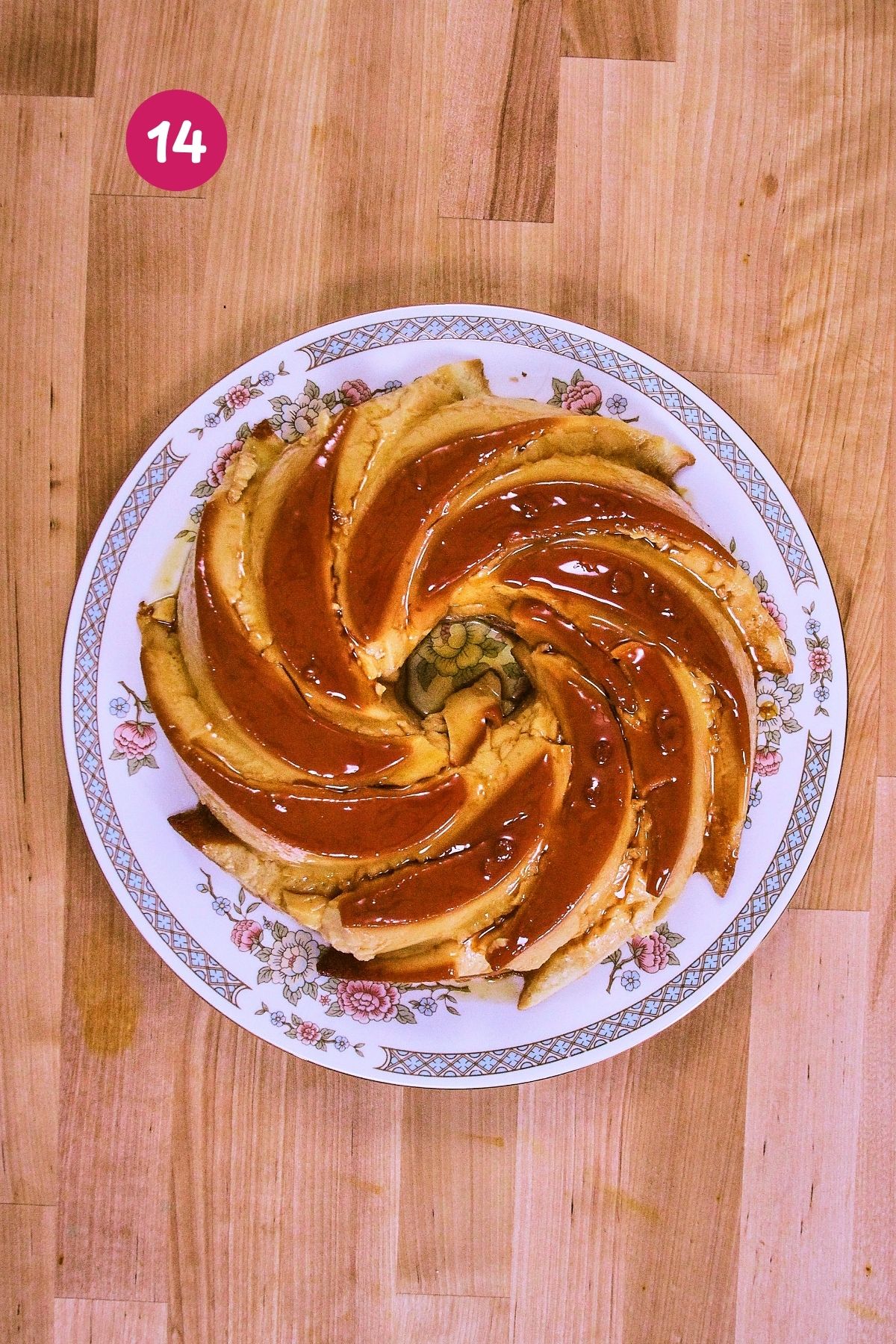
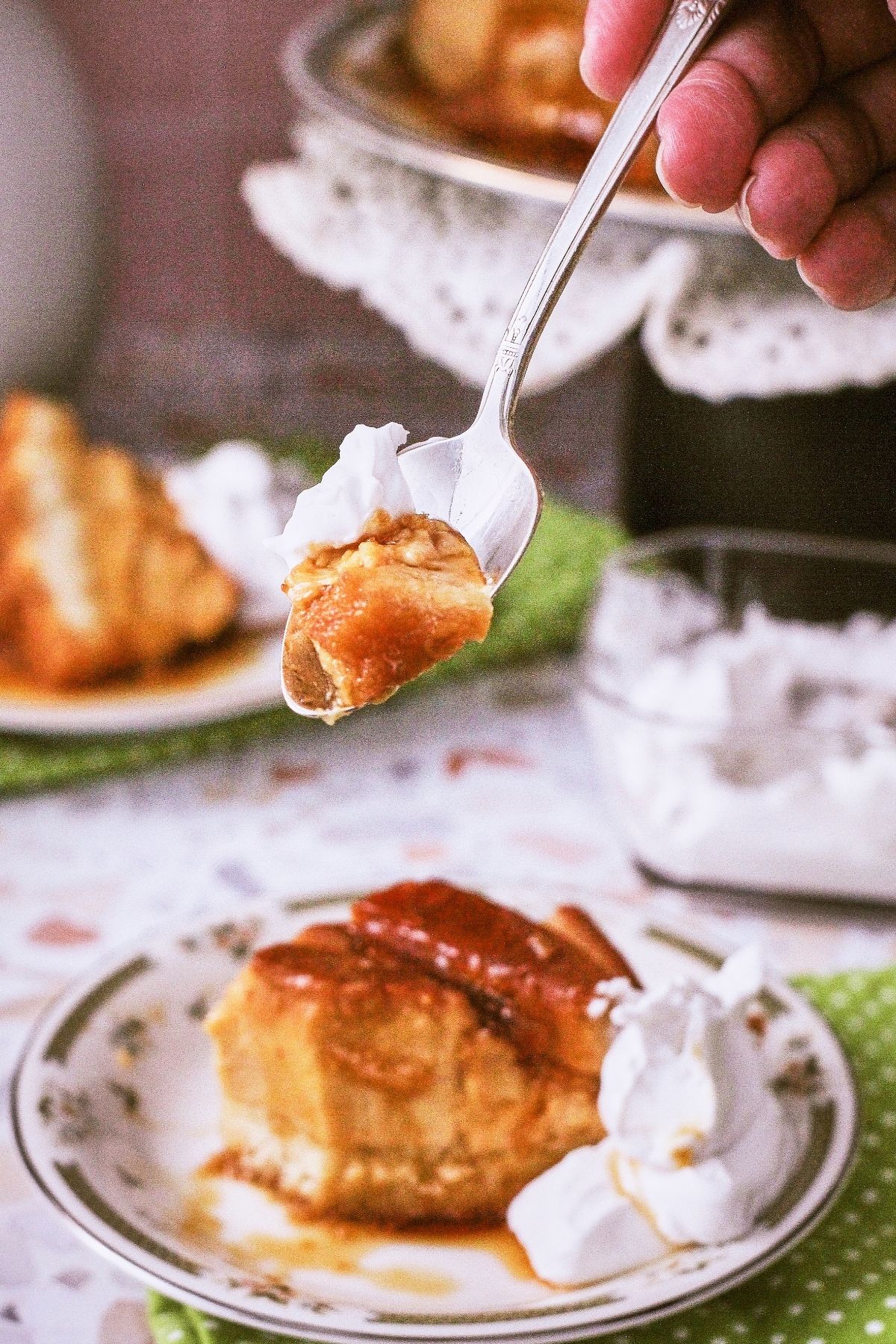
- Cool and flip. Let the flancocho cool completely at room temperature, then refrigerate for at least 6 hours, or better yet, overnight. When ready to serve, run a thin knife around the edges, place a large plate over the pan, and flip in one confident motion. Lift the pan slowly and let the caramel run.
Expert Tips
- Use a metal cake pan. I used a silicone mold for two reasons: it's striking, and it is the only one I have. However, I quickly learned that silicone is not the best pan for this application. I was not able to cover the walls with the caramel, which helps with unmolding after it cools. And the mold is not the easiest to work with; that is why, in the pictures, the mold is already in the braiser, with very little room to add water, which I did using a funnel. Silicone is good, but this is not one of them.
- Cool the caramel before adding the flan. If the caramel is still warm when you pour in the flan mixture, it will start cooking the eggs at the bottom before the pan even goes in the oven. Give it at least 15 minutes.
- If your caramel seizes and hardens into chunks, don't panic. Keep the heat on medium-low and keep swirling. Add a bit more water, and the clumps will re-melt. It happens to everyone at least once.
- Grease the walls of the bundt pan even after the caramel goes in. The caramel coats the bottom, but the cake batter will stick to the uncoated sides if you don't butter them.
- Refrigerate overnight if you can. The texture of both layers improves significantly after a full night in the fridge. The flan firms up, the flavors meld, and the cake becomes more tender as it absorbs a little of the caramel moisture.
- Use a plate larger than your bundt pan. When you flip, caramel is going to run and pool. A plate that's too small will send it right over the edge.
Recipe FAQs
Density. The flan mixture is much denser than the cake batter, so even though you pour flan first and cake second, gravity does the work in the oven: the flan sinks, and the cake rises. This is why flancocho is sometimes called the impossible cake.
Yes, and you should. Flancocho needs at least 6 hours to chill before it can be unmolded cleanly, and it genuinely tastes better the next day. You can make it up to two days in advance and keep it refrigerated in the pan until you're ready to serve.
Cover it tightly and refrigerate for up to 4 days. The texture holds well; just make sure it stays cold. You can use a cake box that will cover the cake without touching the custard. These cake boxes are also great for other applications, such as carrying and storing cupcakes or serving as a platter.
The bundt pan is the most popular choice for flancocho. The ridged shape makes for a stunning presentation when the caramel runs down the sides upon unmolding. The center tube also promotes more even heat distribution, which helps both layers cook at the same rate. A round cake pan works just as well if that's what you have. Baking times may vary.
Most likely, the pan wasn't greased well enough above the caramel line, or the cake didn't chill long enough before unmolding. Make sure the walls are buttered before assembly, and give it at least 2-3 hours in the fridge before flipping. Overnight is even better if you can wait.
More Desserts and Sweets Recipes
- Pumpkin spice coquito
- Puerto Rican Polvorones (Shortbread Cookies)
- Low-Carb Polvorones
- Puerto Rican Spice Cake (Hojaldre Añasqueño)

Before You Go . . .
Cooked it and loved it? Rate it. Review it. Share it. Your feedback helps others and keeps this blog cooking.
📖 Recipe
Flancocho
Equipment
- 1 roasting pan or a large pan to hold the cake pan for the flan
- 1 hand whisk
- 1 hand mixer
- 1 Cake Pan
- 1 small saucepan for caramel
- 1 medium saucepan for water
Ingredients
For Caramel
- 1 cup granulated sugar 200 g
- ¼ cup water 60 ml
For Cake
- 2½ cups all-purpose flour 315 g
- 2½ teaspoon baking powder
- ½ teaspoon salt
- ¾ cup unsalted butter softened. 170 g
- 2 cups granulated sugar 400 g
- 4 large eggs room temp
- 1 tablespoon vanilla extract
- 1 cup whole milk room temp. 240 ml
For Flan
- 1 can sweetened condensed milk (14 oz / 397 g)
- 1 can evaporated milk (12 oz / 354 ml)
- 4 large eggs room temp
- 1 tablespoon vanilla extract
Instructions
Making Caramel
- Preheat the oven to 350℉ (175℃). Grease your Bundt or tube pan well, paying attention to all the grooves.
- In a small saucepan, combine sugar and water over medium heat. cook, swirling occasionally (no stirring), until golden amber. Quickly pour into the bottom of your pan, tilting to coat evenly. Set aside to cool and harden.1 cup granulated sugar, ¼ cup water
Making the cake batter
- Mix the dry ingredients. In a bowl, mix together flour, baking powder, and salt.2½ cups all-purpose flour, 2½ tsp baking powder, ½ tsp salt
- Cream butter and sugar. In a large bowl, beat butter and sugar until light and fluffy, about 3 minutes.¾ cup unsalted butter, 2 cups granulated sugar
- Add eggs and vanilla. Beat in eggs one at a time, then add vanilla.4 large eggs, 1 tbsp vanilla extract
- Alternate wet and dry ingredients. Add flour mixture in 3 parts, alternating with milk in 2 parts, starting and ending with flour. Mix just until combined. Set aside.1 cup whole milk
Making the flan mixture and assembly
- Blend condensed milk, evaporated milk, eggs, and vanilla until smooth. Pour flan mixture over the cooled caramel in the pan.1 can sweetened condensed milk, 1 can evaporated milk, 4 large eggs, 1 tbsp vanilla extract
- Carefully pour the yellow cake batter over the flan mixture. The layers will naturally separate as they bake.
- Place your pan inside a larger roasting pan. Add hot water to the outer pan until it reaches halfway to the sides of your cake pan. Bake for 60-75 minutes, or until a toothpick inserted into the cake layer comes out clean.
- Remove from the water bath and cool completely. Refrigerate for at least 4 hours or overnight. Run a thin knife around the edges, then invert onto a large serving plate.

Notes
- Don't skip the water bath. The flan needs indirect, gentle heat to set properly. Without it, the eggs cook too fast, the flan turns grainy, and the layers won't separate cleanly.
- Cool the caramel before adding the flan. If the caramel is still warm when you pour in the flan mixture, it will start cooking the eggs at the bottom before the pan even goes in the oven. Give it at least 15 minutes.
- If your caramel seizes and hardens into chunks, don't panic. Keep the heat on medium-low and keep swirling - the clumps will re-melt. It happens to everyone at least once.
- Grease the walls of the bundt pan even after the caramel goes in. The caramel coats the bottom, but the cake batter will stick to the uncoated sides if you don't butter them.
- Refrigerate overnight if you can. The texture of both layers improves significantly after a full night in the fridge. The flan firms up, the flavors meld, and the cake becomes more tender as it absorbs a little of the caramel moisture.
- Use a plate larger than your bundt pan. When you flip, caramel is going to run and pool. A plate that's too small will send it right over the edge.


Zoe Forestier Villegas says
This recipe is a showstopper! Creamy flan and tender cake covered with a delicious homemade caramel. Must try!!