

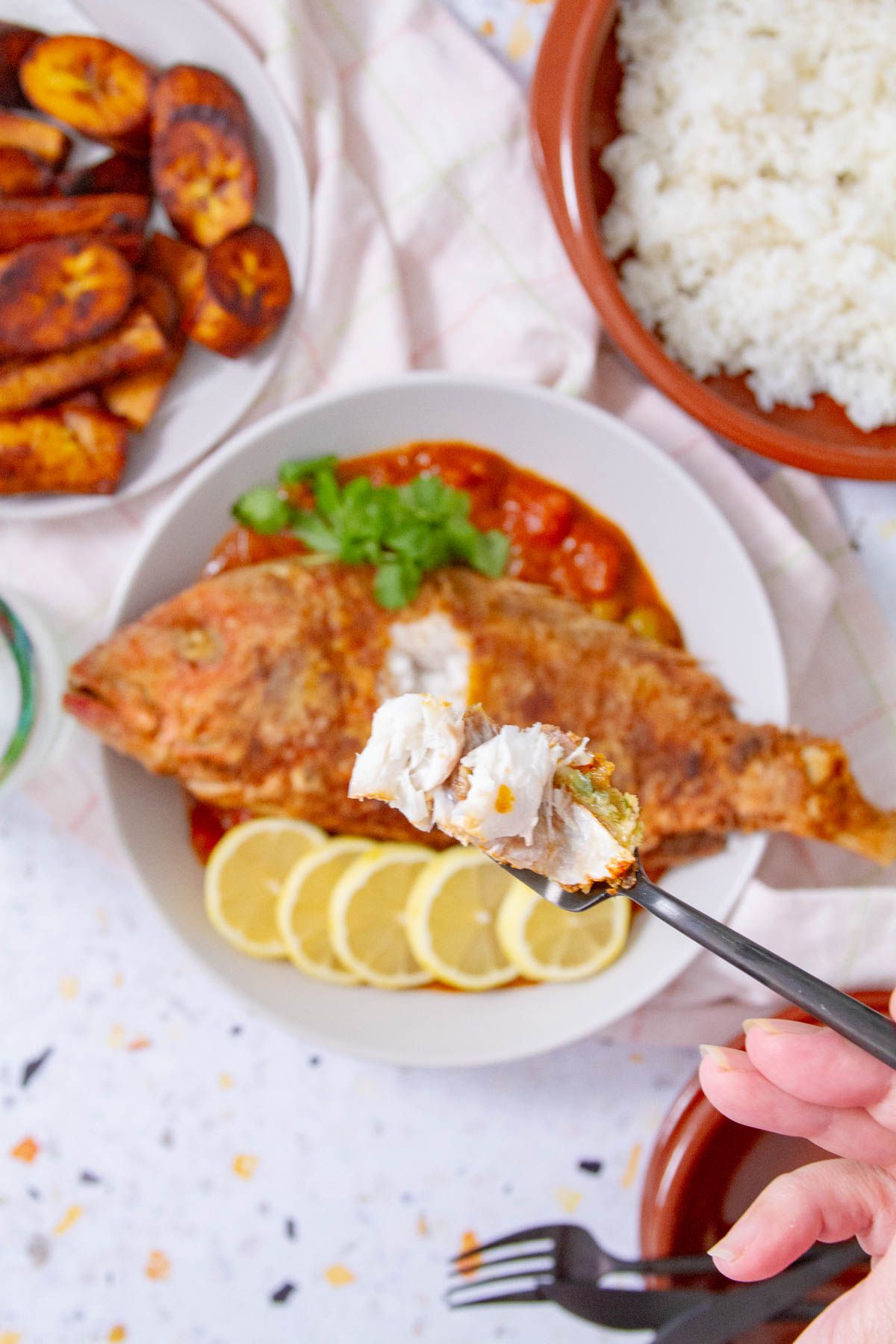
Puerto Rican Fried Red Snapper, or Chillo Frito, is seasoned with bold island flavors and fried whole for maximum crunch and juicy meat. It's the kind of dish you'll find served up at a seaside chinchorro with a cold drink and a side of tostones.
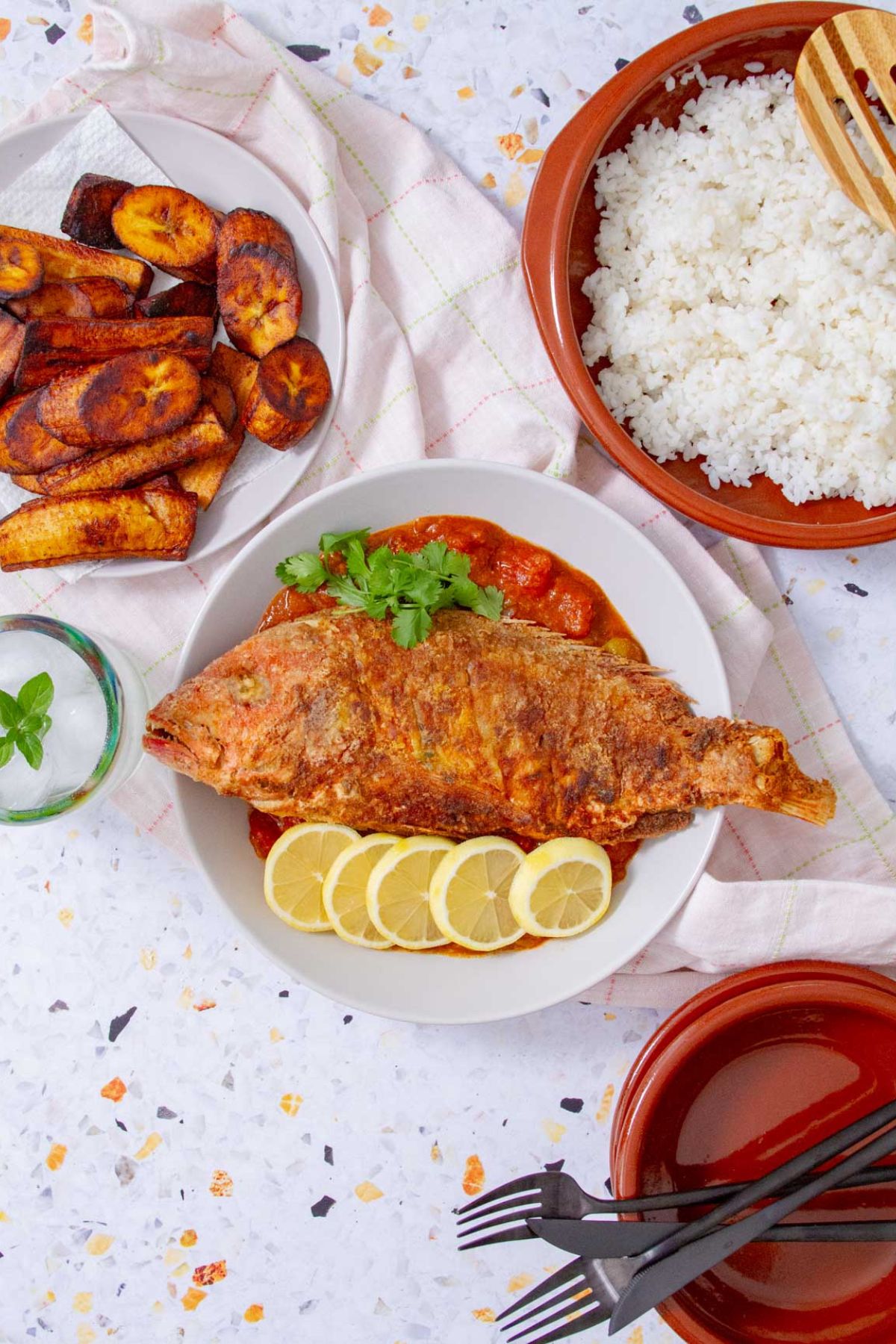
Fried Red Snapper is a great Spring and Summer recipe, although fish is available in stores all year round, and this dish can be made anytime of the year. Serve it with over Mojo Isleño and Tostones, or Mofongo, Guineos en Escabeche, or Puerto Rican Rice with Beans.
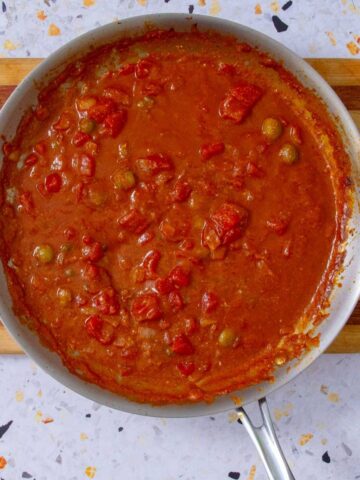
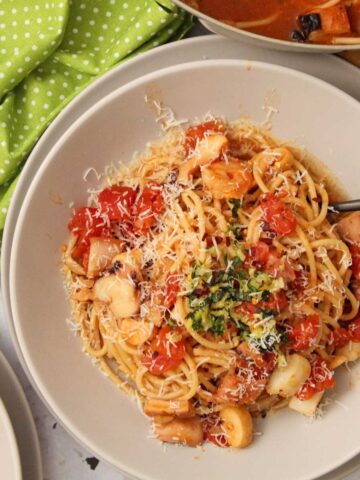
For more seafood favorites, try my Seafood Pomodoro Pasta with Linguine, a rich and briny tomato mix served over linguine. Puerto Rican Steamed Mussels with Sofrito White Wine are delicious as an appetizer or over pasta. Or another super quick and easy recipe like Puerto Rican Bacalao a la Vizcaina. The salted cod is desalted and stewed in tomatoes and potatoes, this recipe serves well with Funche, Puerto Rican Grits or over Arroz Blanco o Arroz Amarillo.
Jump To
🐟 Why You'll Love This Recipe
- Puerto Rican flavor with minimal effort
- Super crispy skin from the whole-fry technique
- Naturally gluten-free. We use cornstarch in this recipe instead of flour.
🛒 Ingredient Notes

- Whole Red Snapper: Red snapper (also known as chillo in Puerto Rico) is prized for its firm, white flesh, which holds up beautifully to frying. It has a mild, sweet flavor that soaks up seasoning and crisps up like a dream.
- Adobo & Sofrito: These two ingredients form the foundation of Puerto Rican flavor. Adobo adds salt, pepper, oregano, and a savory backbone, while sofrito brings the brightness. Together, they build that signature island taste.
- Lime or Lemon Juice: These citrus acids help balance the fat from frying and add a bright flavor to the fish. They also tenderize slightly and add that pop of tang you expect in a good chillo frito.
See my recipe card below for a complete list of the ingredients with measurements.
🔄 Variations and Substitutions
- Swap the Fish: No red snapper? You can use yellowtail, grouper, or porgy, any firm, mild fish that holds together when fried or grilled.
- Try a Different Cooking Method: Skip the oil and grill or bake the fish instead. You'll still get that bold Puerto Rican flavor with a lighter finish.
- Make It Spicy: Add crushed red pepper or sliced chili peppers to the seasoning or cavity for a fiery twist. It's a subtle way to bring heat without overpowering the dish.
- Breading Alternatives: For an extra crispy crust, try using panko breadcrumbs or all-purpose flour. If you're keeping it gluten-free, almond flour, coconut flour, or even tapioca starch are great options for dredging the fish before frying.
💡 Top Tip
Let the fish sit with seasoning for at least 15-20 minutes before frying for deeper flavor.
👩🏽🍳 How to Make Puerto Rican Fried Red Snapper
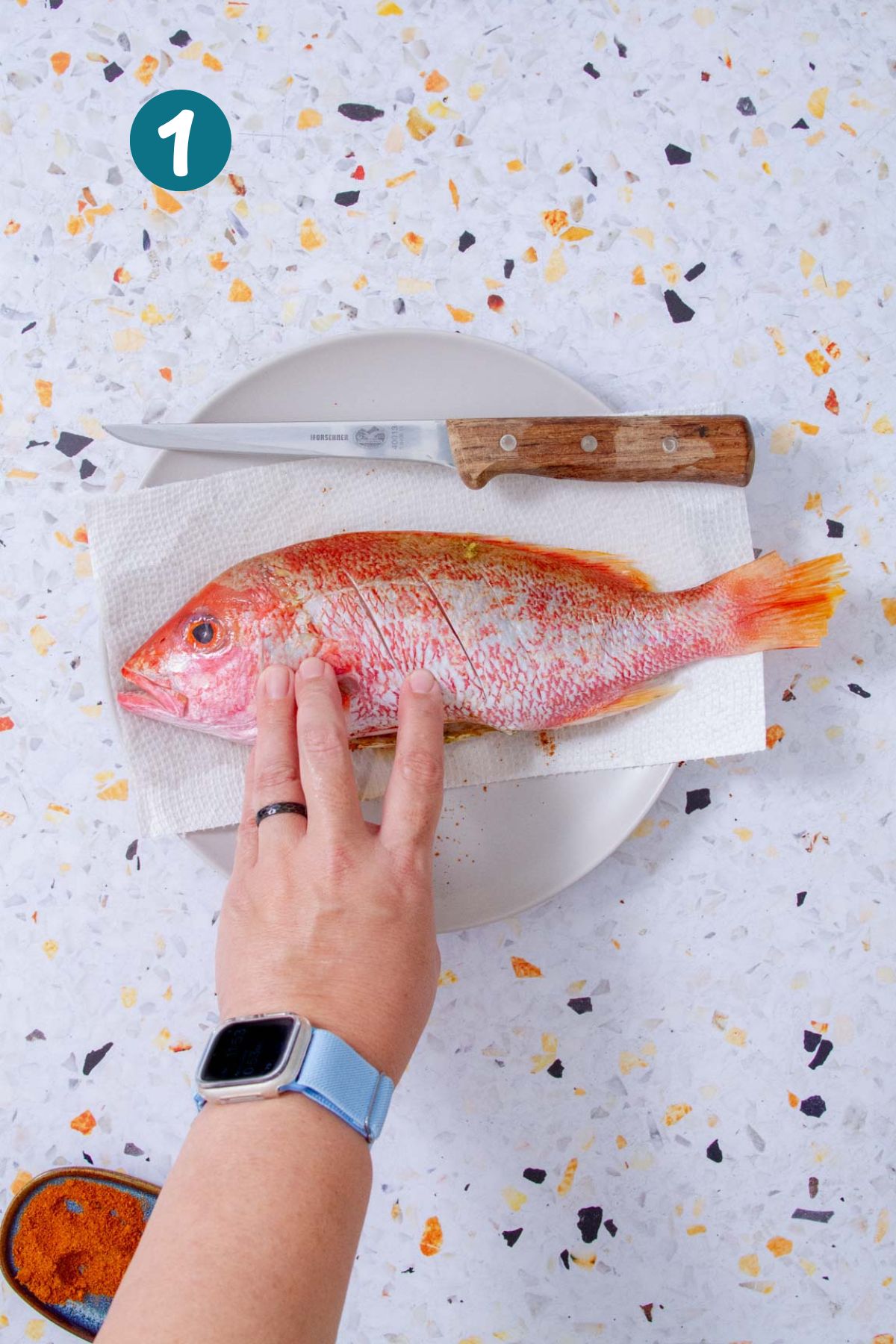
- Step 1: Clean and pat the fish dry. Score both sides. Scoring helps the meat cook evenly and allows the marinade to penetrate deeply into the meat.
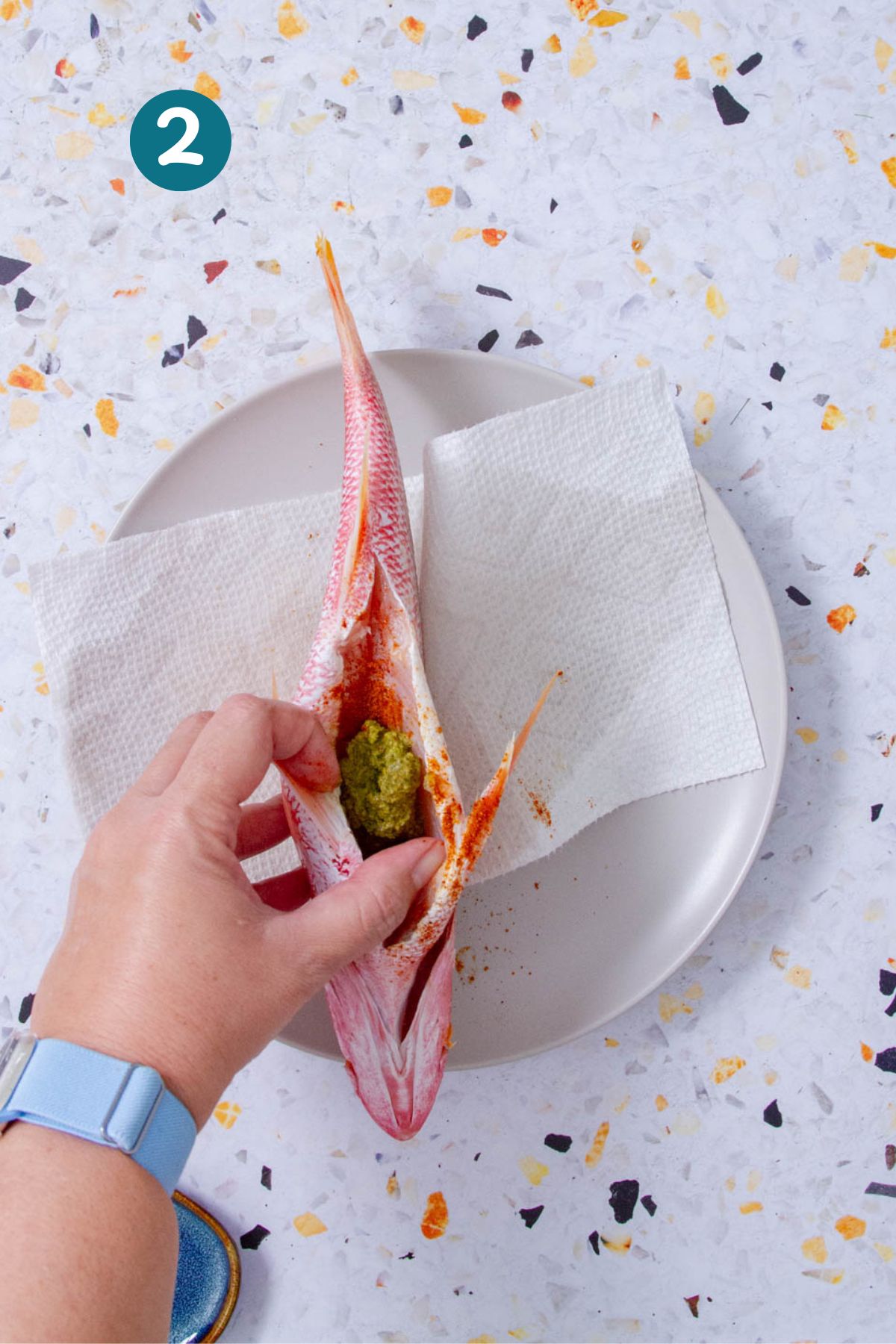
- Step 2: Season inside with adobo, sofrito.
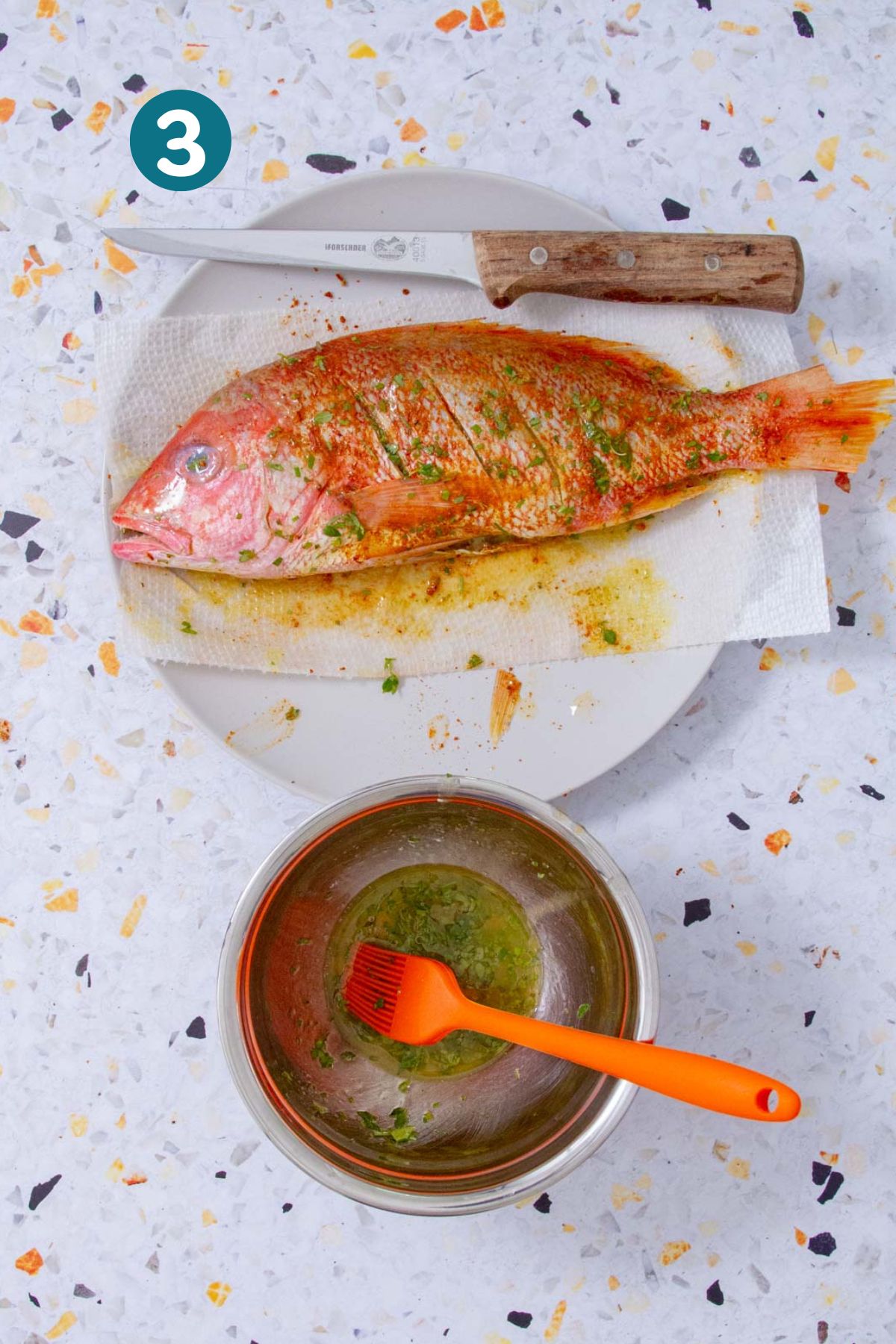
- Step 3: Mix lemon juice, herbs (such as culantro, cilantro, or thyme), and baste the fish body on the outside. Sprinkle the fish with adobo for color.

- Step 4: Heat the oil to 350°F in a deep-frying pan. Dredge the fish in coconut cornstarch, and dust off any excess. Carefully slide the fish into the pan and fry for 5-6 minutes per side.

- Step 5: Using a fish spatula, flip the fillet onto the other side and fry for an additional 5-6 minutes. You want an internal temperature of 140℉. Remove from the oil and place on a paper towel-lined plate to absorb excess oil. Serve over Mojo Isleño, ajillo sauce, or escabeche sauce.
- Hint: Don't overcrowd the pan. Fry one fish at a time to keep the oil hot and maintain its temperature.
🧠 Expert Tips
- Use a fish spatula to flip without breaking the skin.
- A thermometer like the Thermapen helps keep oil at the right temperature. Too low, and it gets soggy. Or use a fryer pot or an electric fryer for better heat control.
- Score deeply, but not all the way through the bone, so it cooks evenly.
- Storage:
- Best eaten fresh. Leftovers can be stored in the fridge for up to 2 days and crisped in the oven.
- Not freezer-friendly once fried.
Recipe FAQs
Yes! Red snapper has firm, white flesh that holds up beautifully when fried. The skin crisps up nicely, and the mild flavor pairs perfectly with bold Puerto Rican seasonings.
In Puerto Rico, red snapper is called chillo. It's a staple in coastal cooking and is often served whole, fried, and seasoned to perfection.
Fried is a favorite, but it's also delicious grilled, baked, or in stews. Whole fried snapper served with rice and tostones is about as classic as it gets.
Stick with a classic Puerto Rican blend: garlic, adobo, and a splash of citrus, such as lime, lemon, or bitter orange (naranja agria). That combo works wonders for fried snapper recipes.
Yes! Deep frying works great and helps cook the fish evenly. Just make sure your oil is hot enough, this is key to getting that restaurant-style deep-fried red snapper crust.
A whole fish offers better flavor and a stunning presentation, but fillets can work too, just adjust the cooking time accordingly. If you're going for that whoe red snapper fried look, fillets won't cut it.
More Fish and Seafood Favorites
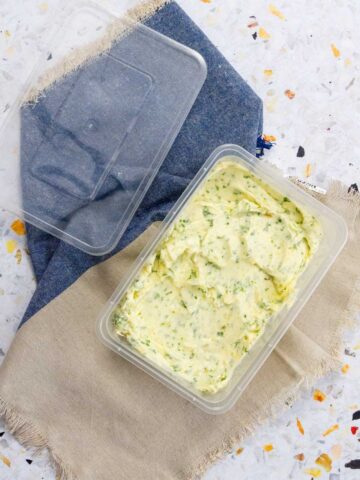
- Roasted Garlic And Herb Compound Butter
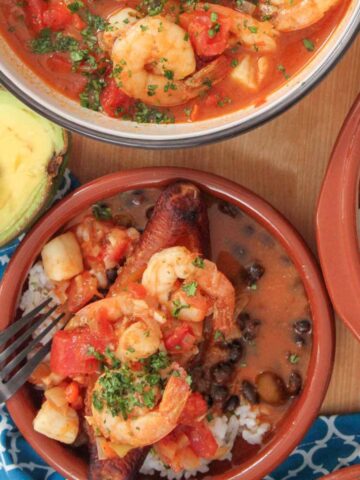
- Quick Shrimp and Scallop Stew
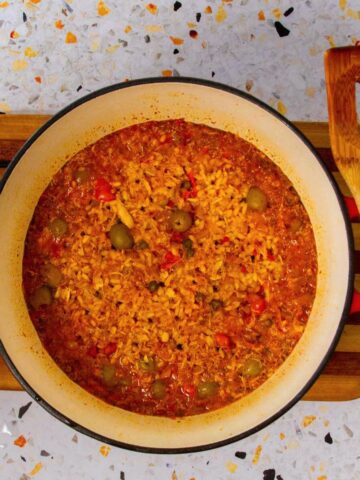
- Puerto Rican Crab Rice, Arroz con Jueyes
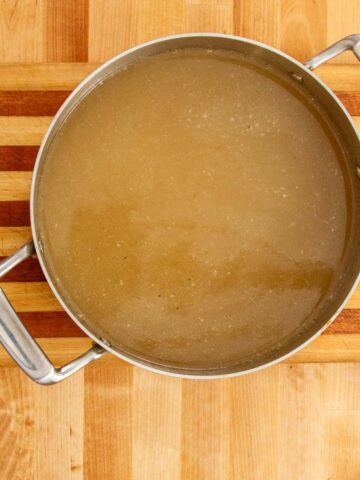
- Puerto Rican Fish Broth, Caldo de Pescado
I'd love to hear from you! Did you try this recipe? Leave a review and rating below. Let's connect on Instagram, and don't forget to join my weekly email list for fresh new recipes.
📖 Recipe
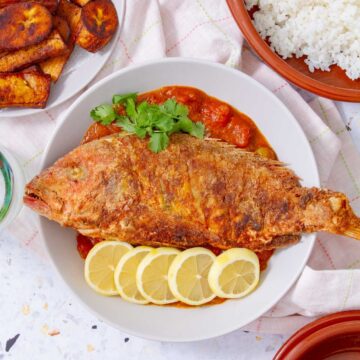
Puerto Rican Fried Red Snapper, Chillo Frito
Equipment
Ingredients
- 2 whole red snapper cleaned and scaled
- 1 tablespoon adobo seasoning
- 2 tablespoon lemon juice
- 1 tablespoon olive oil
- 1 tbsp sofrito
- 1 leaf culantro
- 2 sprigs fresh thyme
- 1 cup coconut cornstarch
- neutral oil for frying
Instructions
- Clean and pat the fish dry. Score both sides. Scoring helps the meat cook evenly and allows the marinade to penetrate deeply into the meat.
- Season inside with adobo, sofrito.
- Mix lemon juice, herbs (such as culantro, cilantro, or thyme), and baste the fish body on the outside. Sprinkle the fish with adobo for color.
- Heat the oil to 350°F in a deep-fryer or a deep-frying pan. Dredge the fish in coconut cornstarch, and dust off any excess. Carefully slide the fish into the pan and fry for 5-6 minutes per side.
- Hint: Don't overcrowd the pan. Fry one fish at a time to keep the oil hot and maintain its temperature.
- Using a fish spatula, flip the fillet onto the other side and fry for an additional 5-6 minutes. You want an internal temperature of 140℉. Remove from the oil and place on a paper towel-lined plate to absorb excess oil. Serve over Mojo Isleño, ajillo sauce, or escabeche sauce.

Notes
💡 Top Tip
Let the fish sit with seasoning for at least 15–20 minutes before frying for deeper flavor.
🧠 Expert Tips
-
- Use a fish spatula to flip without breaking the skin.
-
- A thermometer helps keep oil at the right temperature. Too low, and it gets soggy. Or use a fryer pot or electric fryer for better control of the heat.
-
- Score deeply, but not through the bone, so it cooks evenly.
-
- Storage:
-
- Best eaten fresh. Leftovers can be stored in the fridge for up to 2 days and crisped in the oven.
-
- Not freezer-friendly once fried.
-
- Storage:


Zoe Forestier Villegas says
So crispy and juicy, plus full of flavor!