

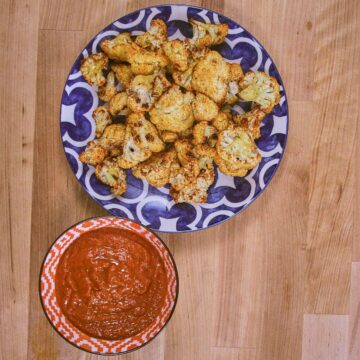
Roasted Cauliflower Bravas bring the same spicy, saucy energy of the classic Spanish tapa to your kitchen. If you've ever ordered patatas bravas at a tapas bar and immediately wanted a second round, this is that same smoky, spicy brava sauce doing exactly what it does best.
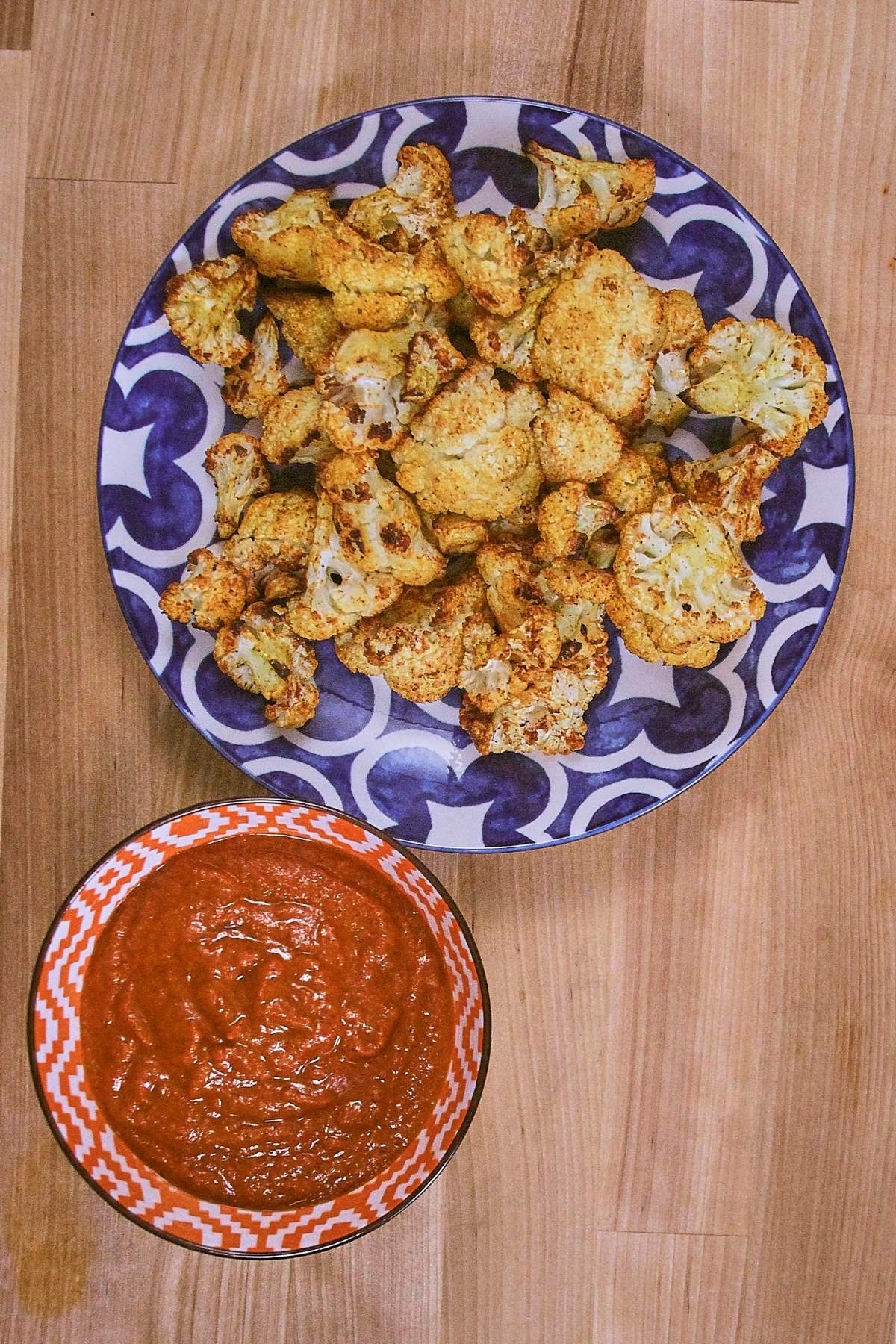
Roasted Cauliflower Bravas is my take on one of my favorite Spanish tapas with a different vegetable while still embracing and honoring the Spanish tradition. It is this same tradition that I focus on when I cook Tortilla Espanola, Caldo Gallego, or our very Puerto Rican-style Bacalao a la Vizcaina.
Make your own tapas night with a selection of Puerto Rican small plate appetizers that bring big flavor to your table. Tostones de Platano, Fried and smashed plantain discs, are great for scooping up Ceviche de Pescado y Camarones. Bacalaitos, Salted Cod fritters, a street food staple with a crispy, crunchy outside and tender, creamy inside, are crowd pleasers. Pinchos de Cerdo (Puerto Rican Pork Kabobs) can be made bite-sized for any gathering or larger for a full-size meal. And Empanadillas de Carne, or filled with cheese, are another remnant of our Spanish heritage. These recipes are the 'chinchorreo' la 'pica'era' as we fondly call them, the kind of eating that hits the spot.
Jump To
Why you'll love this recipe
- Make extra sauce. The brava sauce comes together in one pan and keeps well in the fridge for days.
- Less mess, hands-off cooking. Roasting instead of frying means easier cleanup and more time away from the stove.
- Double-duty spice blend. The seasoning on the cauliflower complements the sauce; everything works together. Also great on popcorn!
- Naturally low-carb and vegetarian: this take on patatas bravas satisfies the craving without derailing your goals.
- Appetizer, side dish, or snack. However you serve it, it fits.
About the Brava Sauce 🌶️
Salsa brava is a Madrid original, a smoky red sauce that has been the soul of patatas bravas since the 1960s. The name means "fierce," "brave," or "angry," which is almost ironic given how mild the traditional sauce actually is. Cayenne is the modern addition that finally makes the sauce live up to its name. But a little goes a long way, so build the heat slowly, keep some tortillas nearby, and taste as you go. If you overshoot, a small knob of butter or a quick roux will tame it. A squeeze of lime at the end brightens the whole sauce. Make extra. It keeps well in the fridge for days and works on everything.
Ingredient Notes
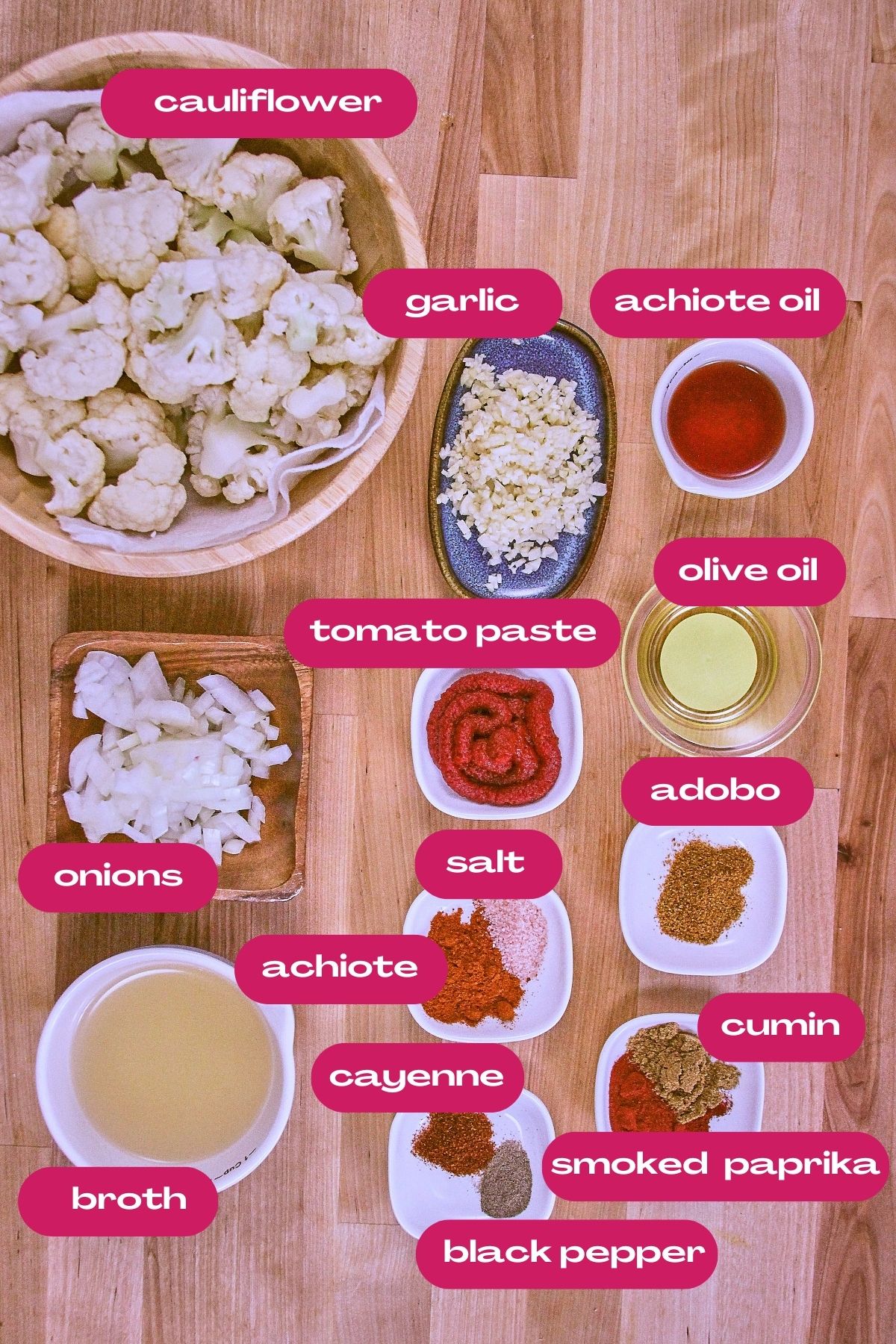
- Cauliflower: One medium head gives you plenty of florets for a generous serving. Cut them into bite-sized pieces so they roast evenly and are easy to eat.
- Smoked paprika: Used in both the cauliflower seasoning and the sauce. It's the backbone of the dish's flavor. Don't substitute with regular paprika if you can avoid it.
- Achiote oil: This is the GMF touch. It gives the sauce its deep brick-red color and a subtle earthy flavor.
- Tomato paste: Cooked in the pan before the liquids are added. This step deepens the flavor significantly. Don't skip it.
See my recipe card below for a complete list of the ingredients with measurements.
Variations and Substitutions
- Make it vegan: Use vegetable broth instead of chicken broth in the sauce.
- Use shallots: Swap the onion for shallots for a milder, slightly sweeter base that lets the paprika and achiote take center stage.
- No achiote oil: The sauce is still delicious without it. You can add an extra pinch of smoked paprika to compensate for the color.
- Go back to the potato: This brava sauce works exactly the same way on roasted or fried potatoes. Same method, different vegetable.
- Sweet paprika: It is in the traditional recipe and balances the sauce's smoke. Together, sweet and smoked paprika create that classic bravas depth.
- Keep it chunky: If you do not have an immersion or regular blender, no problem. This recipe would also work as a chucky sauce that the cauliflower florets would easily pick up.
Some substitutions have not been tested. If you try a variation, let us know how it turned out in the comments below!
Top Tip
Don't skip the tomato paste cook-down. Letting it caramelize in the pan for a full minute before adding any liquid is what gives the brava sauce its deep, jammy flavor. Rushed tomato paste just tastes sharp; cooked tomato paste tastes like something.
How to make Roasted Cauliflower Bravas
Preheat the oven to 425℉.
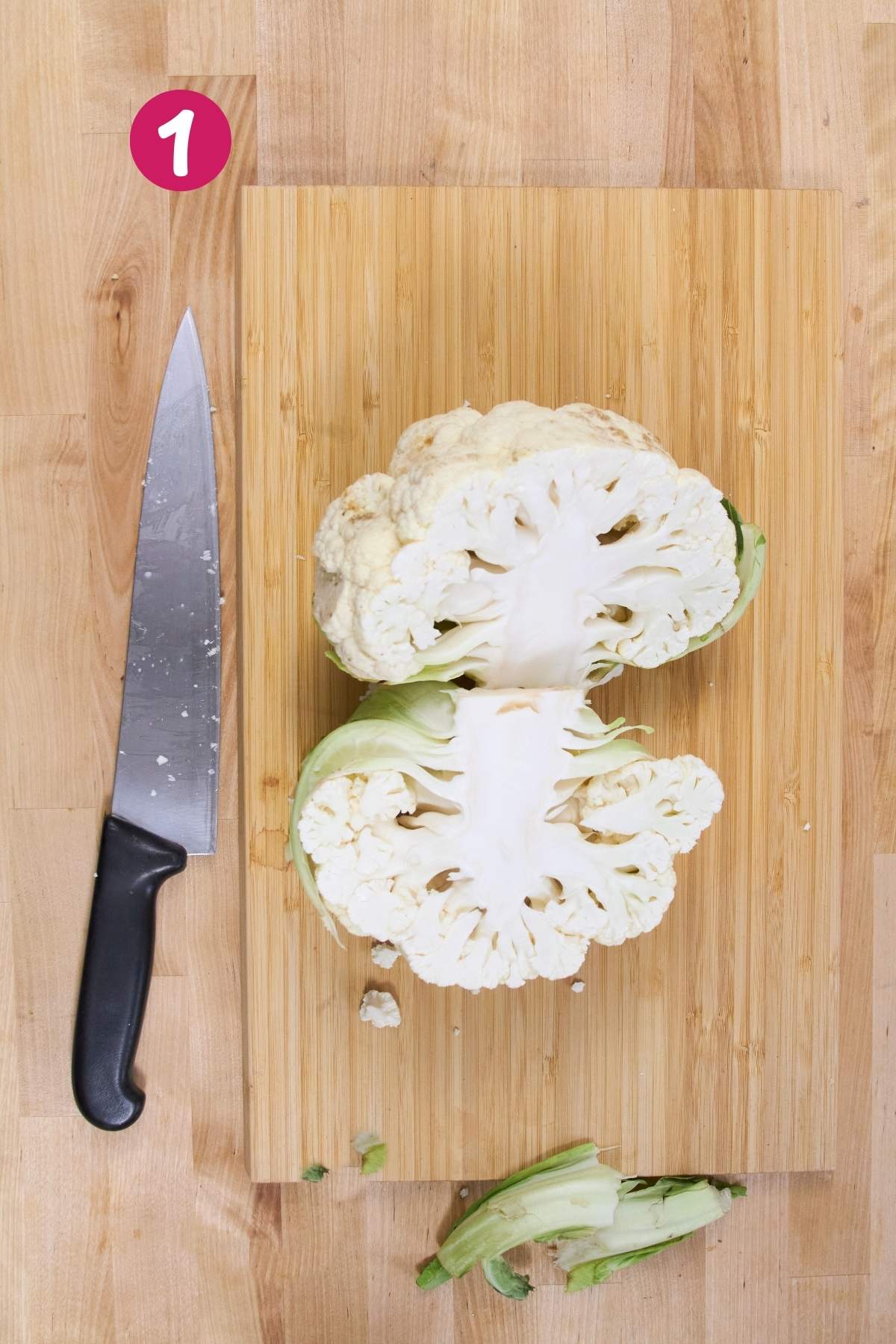
- Step 1: Start by breaking down the cauliflower. Place the cauliflower upside down with the stem pointing up. Place the tip of the knife and pry the cauliflower in half.

- Step 2: Cut the pieces into bite-sized pieces. To keep the florets looking organic, insert the tip of the knife (you may use a paring knife) and separate the florets at the base from the main stem. Once you have your florets ready, place them on a drying rack or over paper towels to absorb any extra water left over from washing.
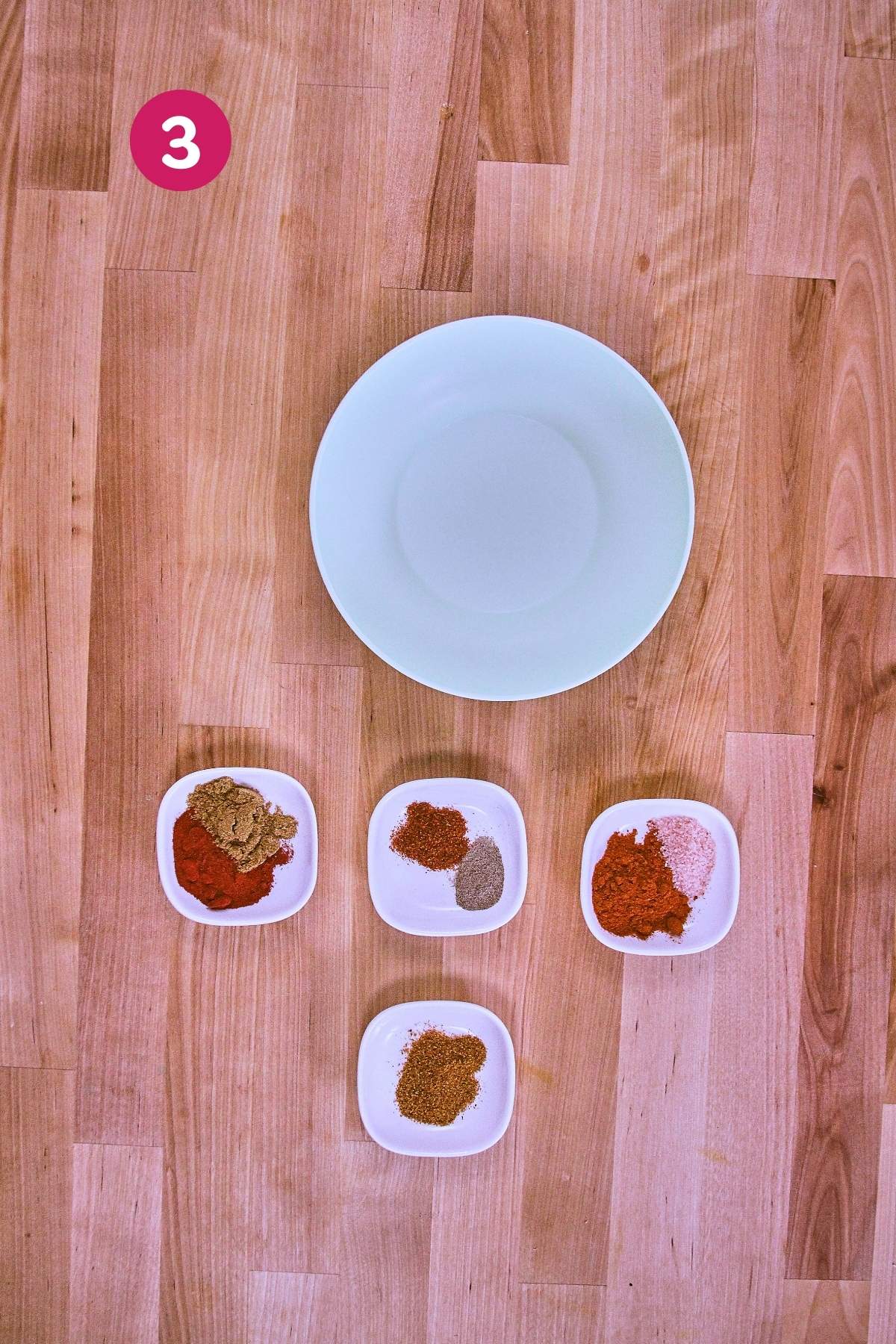
- Step 3: Place the ground spices in a bowl and combine.
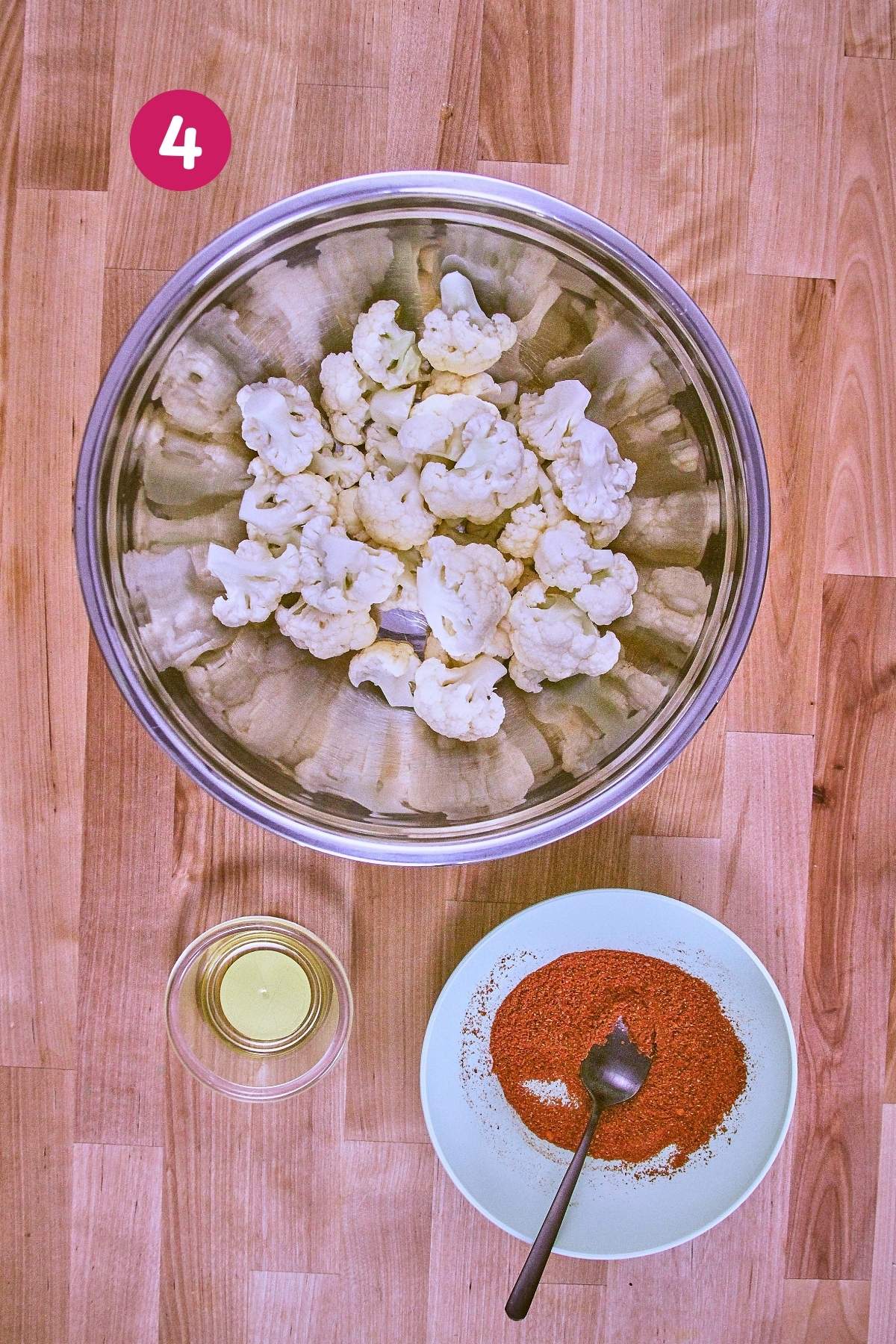
- Step 4: Drizzle the cauliflower with olive oil and one to two teaspoons of seasoning. Mix thoroughly.
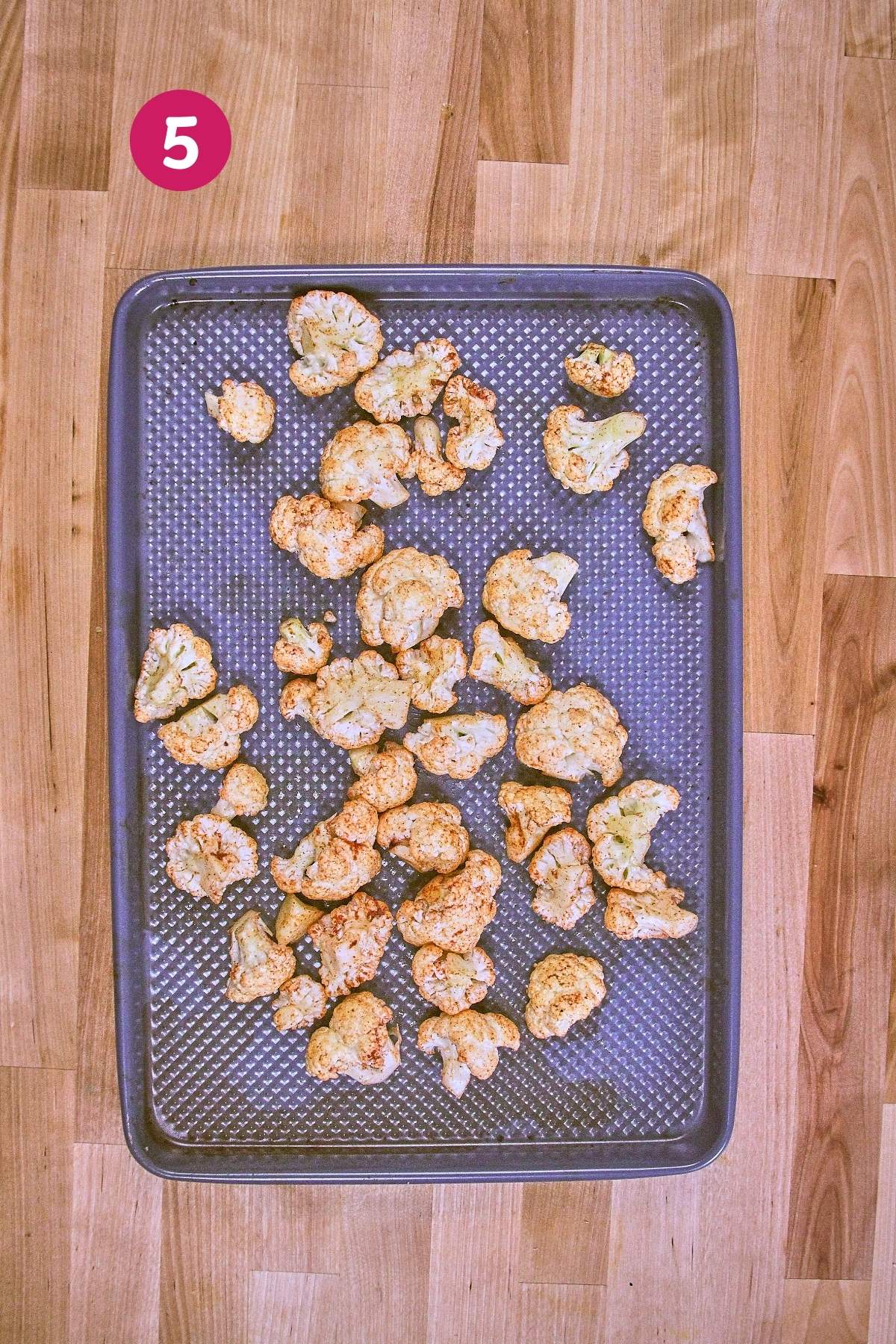
- Step 5: Place the cauliflower on the baking sheet with a drying rack (if available). My baking sheet has divots that allow for air circulation. You can line the baking sheet with parchment for ease of cleaning. Roast the cauliflower at 425℉ for 15-20 minutes.
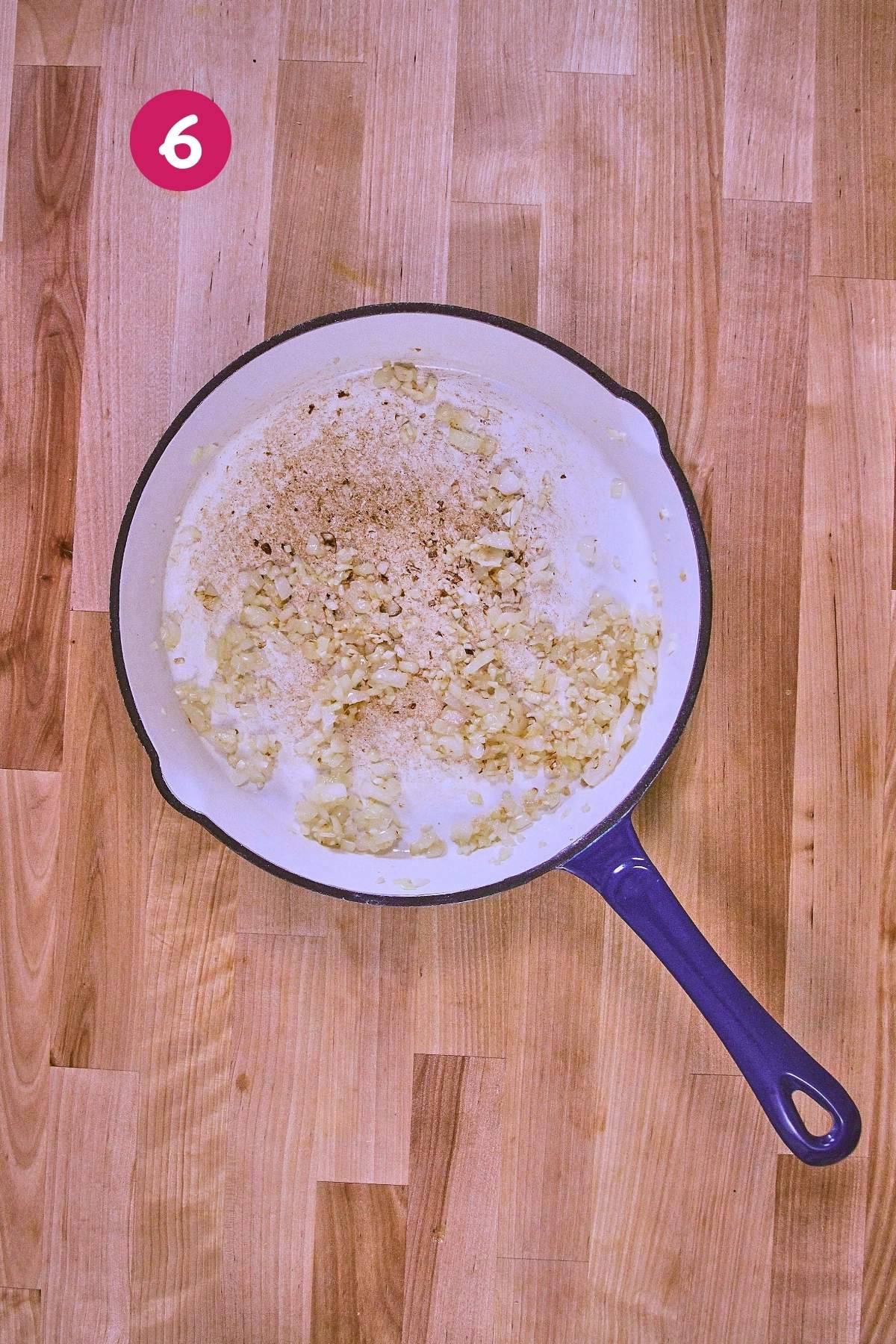
- Step 6: In a saute pan, heat the olive oil and add the onions. Once the onions are translucent, add the chopped garlic and saute until soft.
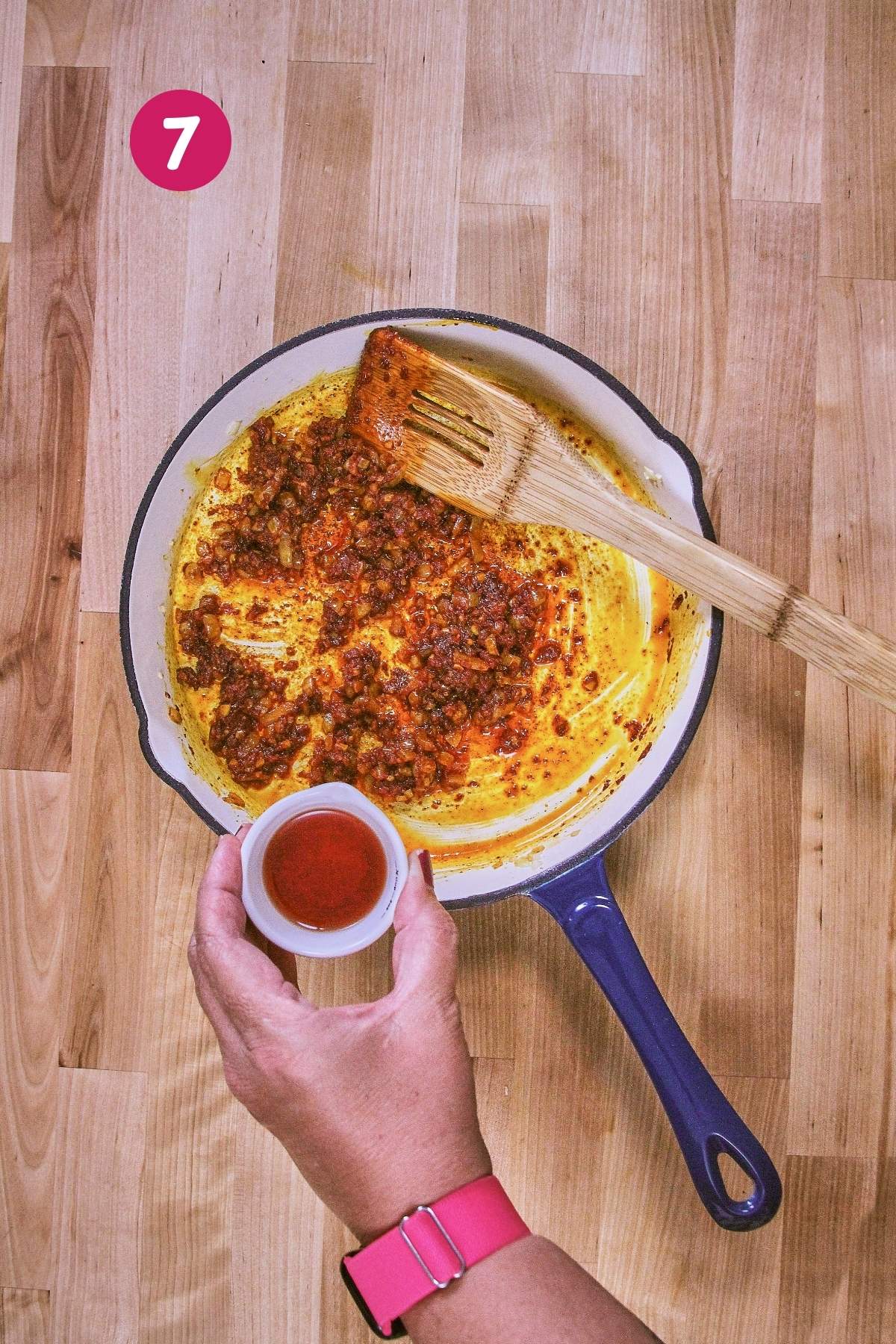
- Step 7: Add the achiote oil with the rest of the spices and lightly toast before adding the tomato paste. Caramelize the tomato paste, and add the vinegar.
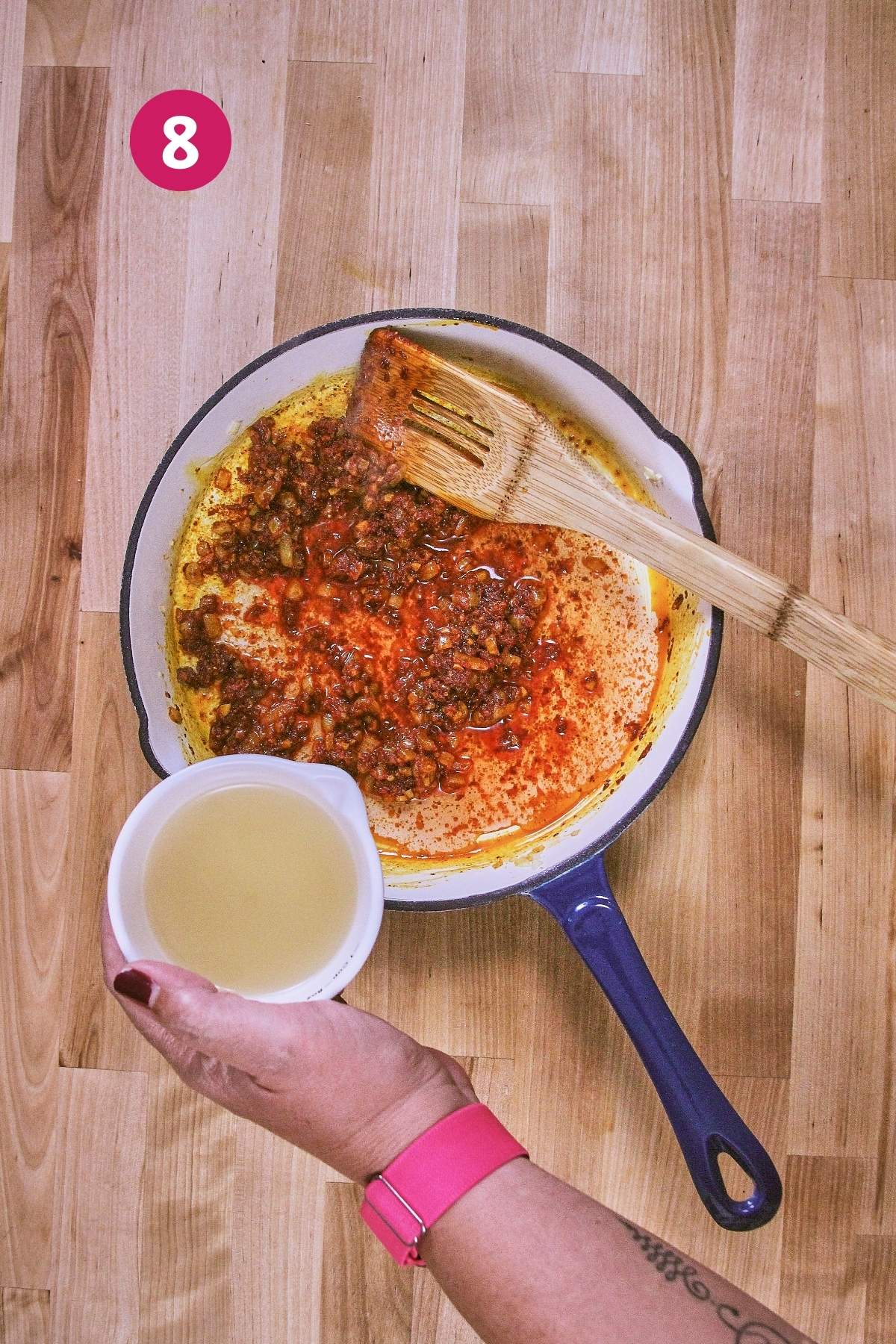
- Step 8: Deglaze the pan by adding the broth, lifting the browned bits from the pan. Cook at a low simmer for about 5 minutes, or until the vegetables are soft.
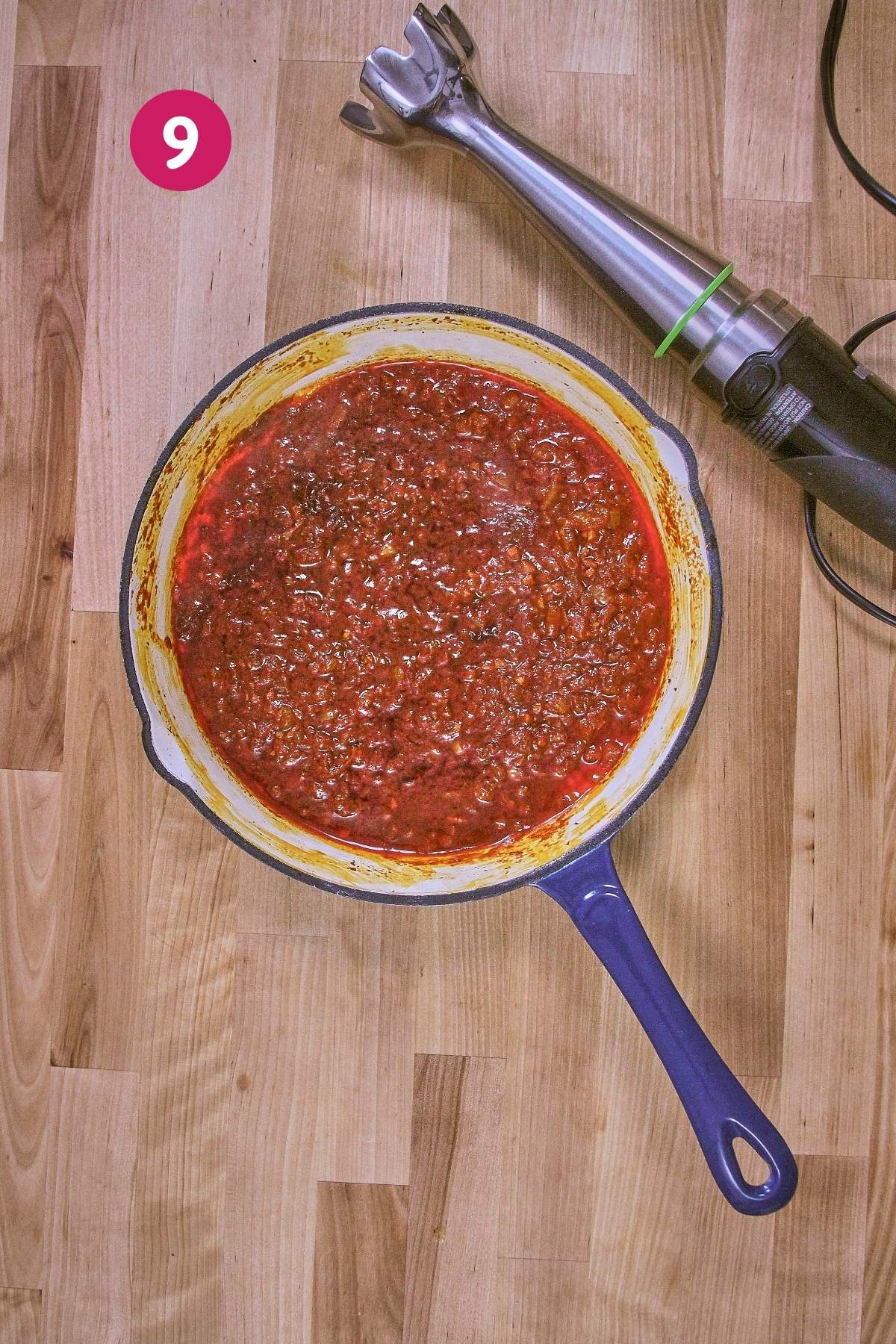
- Step 9: Using an immersion blender, puree the sauce until it reaches a creamy, smooth texture. If the sauce seems too oily, make a slurry of 1 tablespoon water and 1 tablespoon cornstarch. Add the slurry a little at a time and allow it to cook before adding more.
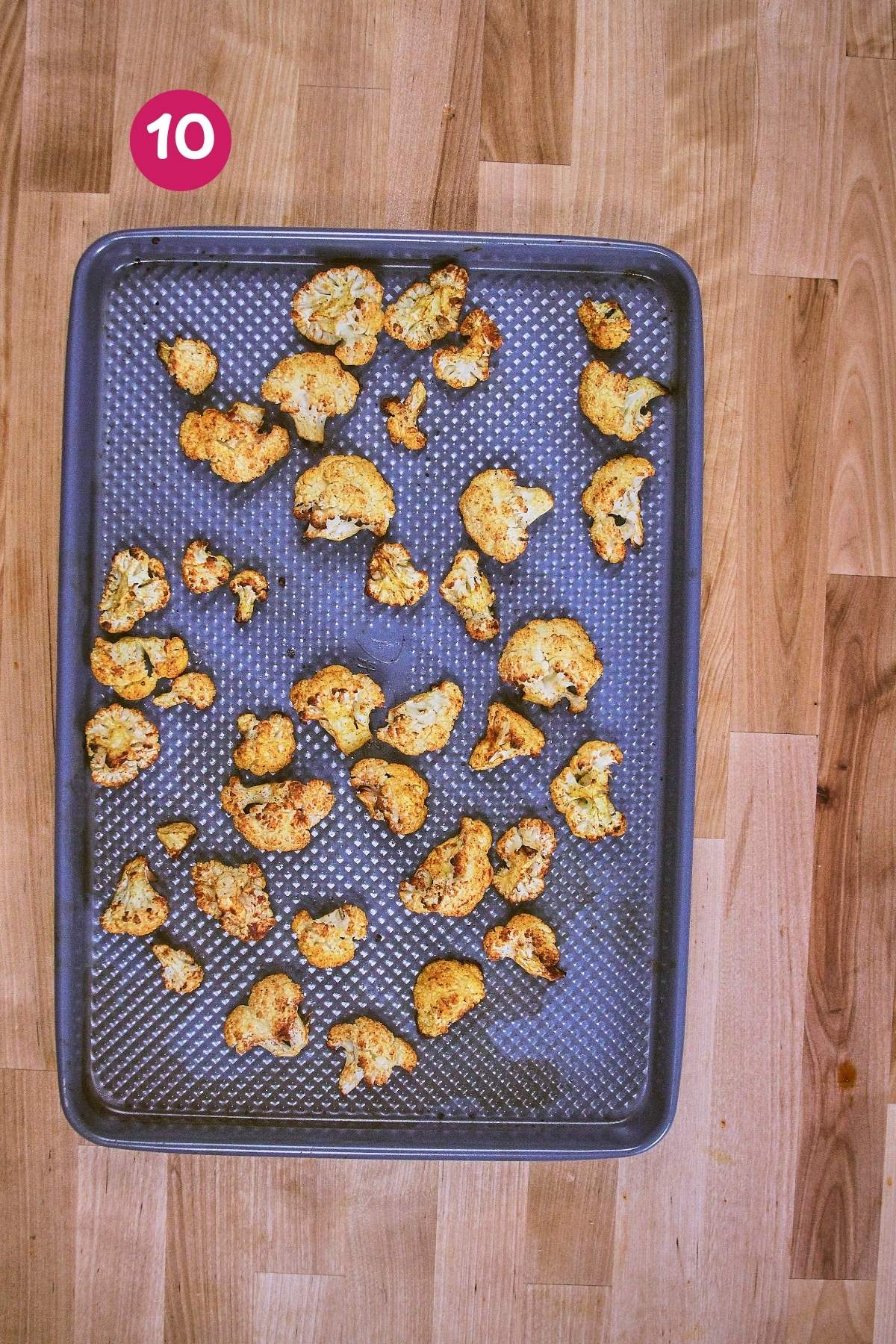
- Step 10: Remove the cauliflower from the oven. Let it rest for 5 minutes before serving in a bowl with a drizzle of brava sauce or on the side.
Expert Tips
- Use a rack if possible. Elevating the cauliflower on a wire rack set over a baking sheet allows heat to circulate beneath the florets, promoting browning rather than steaming. A perforated pan works the same way. If you only have a standard sheet pan, flip the cauliflower halfway through without skipping it.
- Dry the cauliflower thoroughly. After washing the cauliflower, place it on a drying rack for 15 to 30 minutes, then season. Water on the surface creates steam and prevents browning. Dry first, then oil and spice.
- Make the sauce ahead. The brava sauce keeps in the fridge for up to 5 days and actually improves with time. The paprika and achiote deepen as they sit. Reheat gently with a splash of broth to loosen the consistency.
- On leftovers. Roasted cauliflower loses its texture once refrigerated, regardless of the sauce. Reheat in a hot oven or air fryer to revive some crispness, though it won't be quite the same as fresh. I don't own an air fryer, but many readers swear by it for reheating roasted vegetables. What I do is repurpose the leftovers by adding them to my Tortilla Española, and drizzling the reserved brava sauce over the finished dish.
Recipe FAQs
Frozen cauliflower has too much moisture for good roasting results. It tends to steam and turn soft rather than caramelize. Fresh cauliflower is worth it here.
Traditional brava sauce is a cooked tomato or pimenton-based sauce seasoned with paprika and cayenne, blended smooth. This version uses both tomato and pimenton as its base and adds achiote oil and powder for depth, color, and Puerto Rican flair.
Yes, but you can control it. It has heat from the cayenne, but it's not overwhelming. You can reduce the cayenne in both the spice blend and the sauce to bring the heat down, or increase it if you want more of a kick.
The sauce, which takes more time, is a great candidate to make ahead. As the sauce rests longer, its flavor builds. But wait to roast the cauliflower until just before service to keep it as crispy as possible. Cauliflower will not reheat with the same structure.
Cauliflower Bravas are a type of tapas-style small-plate appetizer. You can serve alongside a variety of other appetizers, such as mini pinchos, empanadas, grouper bites, or a charcuterie board. This dish could also be served as a side dish.
Traditional brava sauce uses sweet and hot paprika for color and depth. Achiote oil is rarely commercially available, but if you find it, it's a worthy addition; it's what gives this version its distinct Puerto Rican character. You can also make achiote oil at home with annatto seeds and a neutral oil.
More Frituras and Appetizers
- Amarillos (Puerto Rican Fried Ripe Sweet Plantains)
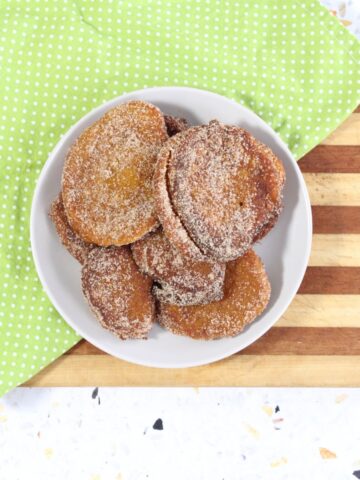
- Pumpkin Fritters, Barriguitas de Vieja (Old Lady Bellies)
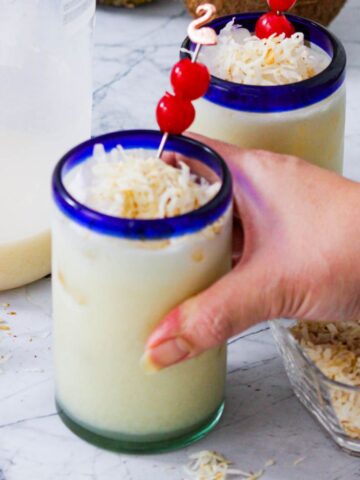
- Puerto Rican Piña Colada
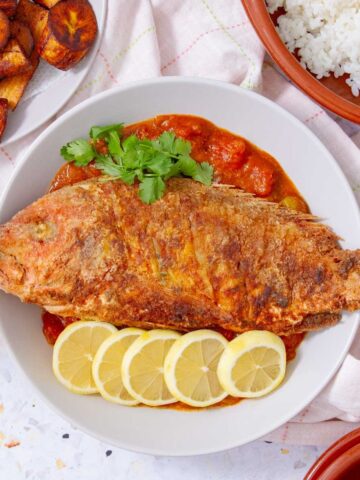
- Puerto Rican Fried Red Snapper, Chillo Frito
Before You Go . . .
Cooked it and loved it? Rate it. Review it. Share it. Your feedback helps others and keeps this blog cooking.
📖 Recipe
Roasted Cauliflower Bravas
Equipment
- 1 Lodge braiser
Ingredients
- 1 head cauliflower cut into florets
Spice Blend
- ¼ teaspoon cayenne pepper
- 1 tablespoon achiote powder
- 1 tablespoon smoked paprika
- 1 tablespoon adobo
- 1 teaspoon cumin
- 1 teaspoon salt
- 1 teaspoon black pepper
Sauce
- 1 tablespoon olive oil
- 1 small yellow onion peeled and diced
- 6 cloves garlic peeled and chopped
- 1 tablespoon achiote oil use olive oil if achiote is not available
- 2 tablespoon red wine vinegar
- 2 tablespoon tomato paste
- ½ cup broth
Instructions
- Start by breaking down the cauliflower. Place the cauliflower upside down with the stem pointing up. Place the tip of the knife and pry the cauliflower in half.1 head cauliflower
- Cut the pieces into bite-sized pieces. To keep the florets looking organic, insert the tip of the knife; you may use a paring knife for this, and separate the florets at the base from the main stem. Once you have your florets ready, place them on a drying rack or over paper towels to absorb any extra water left over from washing.
- Place the ground spices in a bowl and combine.1 tsp salt, 1 tsp black pepper, 1 tbsp smoked paprika, ¼ tsp cayenne pepper, 1 tsp cumin, 1 tbsp adobo, 1 tbsp achiote powder
- Drizzle the cauliflower with olive oil and one to two teaspoons of seasoning. Mix thoroughly.1 tbsp olive oil
- Place the cauliflower on the baking sheet with a drying rack (if available). My baking sheet has divots that allow for air circulation. You can line the baking sheet with parchment for ease of cleaning. Roast the cauliflower at 425℉ for 15-20 minutes.
- In a saute pan, heat the olive oil and add the onions. Once the onions are translucent, add the chopped garlic and saute until soft.1 small yellow onion, 6 cloves garlic
- Add the achiote oil with the rest of the spices and lightly toast before adding the tomato paste. Caramelize the tomato paste, and add the vinegar.1 tbsp achiote oil, 2 tbsp tomato paste, 2 tbsp red wine vinegar
- Deglaze the pan by adding the broth, lifting the browned bits from the pan. Cook at a low simmer for about 5 minutes, or until the vegetables are soft.½ cup broth
- Using an immersion blender, puree the sauce until it reaches a creamy, smooth texture. If the sauce seems too oily, make a slurry of 1 tablespoon water and 1 tablespoon cornstarch. Add the slurry a little at a time and allow it to cook before adding more.
- Remove the cauliflower from the oven. Let it rest for 5 minutes before serving in a bowl with a drizzle of brava sauce or on the side.

Notes
Top Tip
Don't skip the tomato paste cook-down. Letting it caramelize in the pan for a full minute before adding any liquid is what gives the brava sauce its deep, jammy flavor. Rushed tomato paste just tastes sharp; cooked tomato paste tastes like something.
Expert Tips
- Use a rack if possible. Elevating the cauliflower on a wire rack set over a baking sheet allows heat to circulate beneath the florets, promoting browning rather than steaming. A perforated pan works the same way. If you only have a standard sheet pan, flip the cauliflower halfway through without skipping it.
- Dry the cauliflower thoroughly. After washing the cauliflower, place it on a drying rack for 15 to 30 minutes, then season. Water on the surface creates steam and prevents browning. Dry first, then oil and spice.
- Make the sauce ahead. The brava sauce keeps in the fridge for up to 5 days and actually improves with time. The paprika and achiote deepen as they sit. Reheat gently with a splash of broth to loosen the consistency.
- On leftovers. Roasted cauliflower loses its texture once refrigerated, regardless of the sauce. Reheat in a hot oven or air fryer to revive some crispness, though it won't be quite the same as fresh. I don't own an air fryer, but many readers swear by it for reheating roasted vegetables. What I do is repurpose the leftovers by adding them to my Tortilla Española, and drizzling the reserved brava sauce over the finished dish.


