

Sancocho is a flavorful, traditional Puerto Rican stew made with root vegetables and herbs, and you can make it with a variety of meats for a rich, satisfying flavor.

Sancocho is a cherished dish in Puerto Rico because it reflects the island's rich culinary heritage and the influence of African, Indigenous, and Spanish cultures. The flavors of Puerto Rican sancocho are a harmonious blend of diverse ingredients, creating a warm and comforting taste experience. Other delicious Puerto Rican dishes include Pernil (Puerto Rican Pork Roast), Arroz con Gandules (Rice and Pigeon Peas), and Mofongo.
This Puerto Rican Stew, is a symbol of community in Puerto Rican life; it's more than a meal; it's a tradition that unites people during celebrations. Enhance the experience by pairing it with sides like white rice, avocado, arepas, fried tostones de plátano, or a fresh salad for a refreshing contrast. Experiment to find the perfect accompaniments that suit your taste preferences.
Jump To
Why you would love this recipe
- Hearty and Satisfying: This Puerto Rican Stew is substantial and filling thanks to its diverse mix of meats, root vegetables, and tubers. It provides a satisfying and comforting meal experience.
- Cultural Significance: Sancocho carries cultural significance in Puerto Rico and Latin American countries, symbolizing communal gatherings and celebrations. Its preparation and sharing bring people together, fostering a sense of community.
- Versatility: The recipe's flexibility allows for creative adaptations and personalization. Whether adjusting meats, vegetables, or
spices , individuals can tailor it to suit their tastes and preferences.
In essence, sancocho is more than just a recipe; it's a culinary experience that embodies tradition, community, and the joy of sharing a delicious and comforting meal with those you care about.
Ingredient Notes


- Protein: For this recipe, I used both beef and chicken, but you can use either.
- Yautia: I love this root vegetable. I buy the purple variety; it has a drier, almost astringent texture compared to potatoes and a mild flavor.
- Aromatics: Onions, garlic, and cilantro provide a robust base of flavors.
- Herbs and
Spices : Oregano, bay leaves, and achiote (annatto) are often used for seasoning.
See my recipe card below for a complete list of the ingredients with measurements.
Variations and Substitutions
- Meats: Substitute chicken, beef, or pork with a combination of your choice. Include sausages, chorizo, or other cured meats for added flavor. Don't forget that you can also make sancocho with seafood and fish.
- Vegan: Historically, sancocho was a meal slaves prepared for their fellow slaves without meat, using only vegetables and tubers. Sancocho doesn't need meat to be delicious. Substitute chicken or beef broth with vegetable broth or water.
- Aromatics: Add leeks, green onions, or shallots for a flavor twist. Include more garlic or herbs like thyme and rosemary.
- Broth: I like to use broth to enhance the protein's flavor. But using just water works just as well. Combine chicken and vegetable broth for a lighter version. If you do a sancocho with seafood, consider using fish or seafood broth for a distinct flavor.
- Bouillon: Bouillon cubes and pastes are another substitution; however, read the instructions. Bouillon is a concentrated version of broth and stock; too little water can make it salty, while too much can make it taste watery. Taste towards the end of cooking before adding more salt, as some of these cubes can be salty.
How to make Sancocho
Here are the step-by-step instructions to make this delicious Puerto Rican Stew!
If using meats, consider marinating the meats at least 30 minutes to an hour before beginning the cooking process or up to 24 hours in advance.


- On medium-high heat, warm up about a tablespoon of olive oil in a Dutch oven or stockpot. Once hot, place the seasoned stew beef in the pot and sear until brown, but not cooked all the way through. When the beef is brown, remove and set aside.

- Keep the heat medium-high, then sear the chicken in the same pot. If the chicken has skin on, sear the skin side down to render the fat from the skin. Wait until the skin is crisp and browned, and flip to the other side. Do not cook the chicken all the way through. Set aside.

- Reduce the heat to medium and add carrots and onions. Cook until the vegetables are translucent and begin to soften.

- Add sofrito and cook for about one to two minutes. Using the moisture from the vegetables and the sofrito, deglaze the bottom of the pan. Use a wooden spoon to gently scrape the brown bits stuck to the bottom of the pot.

- After a few minutes, when the vegetables are tender, begin layering in the remaining ingredients. Start with the chicken.

- Then add the browned stew beef.

- Then add the starchy vegetables: yautia, corn on the cob (cut into quarters), baby potatoes (cut in half or into quarters), and plantains (cut into eighths).

- Fill the pot with 32 ounces of beef, chicken, or a combination of both broths. I used only beef and topped it with water. Cover and allow to simmer for 30 to 40 minutes, or until the meat is tender and starchy vegetables fall off the fork when pierced.

Expert Tips
- Layered Flavors: Sear meats before simmering for a deeper flavor profile. Add ingredients in stages to let each component contribute to the overall taste.
- Broth Balance: Achieve a well-balanced broth by using a combination of chicken and beef broth. Consider making your broth from scratch for an extra layer of richness.
- Rendering of Aromatics: Allow garlic, onions, and cilantro to sauté and release their aromas before adding other ingredients. This step intensifies the savory essence.
- Root Vegetables Timing: Add root vegetables like yautia and plantains early in the cooking process, while softer vegetables like corn and potatoes can be added later to prevent overcooking.
- Slow Simmer: Let the sancocho simmer on low heat to allow the flavors to meld. This slow cooking process is crucial for a rich and well-developed taste.
Remember, sancocho is a flexible dish, and regional variations exist, so don't be afraid to tailor it to your preferences. Enjoy the process and savor the rich flavors of this beloved Latin American stew!
Recipe FAQs
Yes, you can create a vegetarian version by omitting the meat and using vegetable broth. Increase the variety of vegetables and consider adding plant-based protein alternatives.
Yes, sancocho freezes well. Allow it to cool completely before transferring it to airtight containers. Reheat gently when ready to enjoy.
To thicken sancocho, you can mash some of the root vegetables.
Yes, sancocho adapts well to slow cookers. Adjust cooking times accordingly and layer ingredients to maintain flavors.

More Puerto Rican Inspirations Recipes
- Arroz Amarillo, Puerto Rican Yellow Rice
- How To Cook Dried Beans
- Achiote Oil
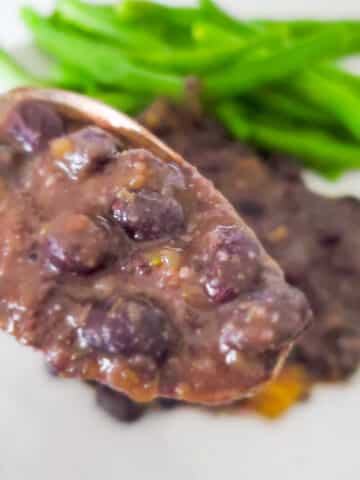
- Puerto Rican Black Beans. Frijoles Negros



I'd love to hear from you! Did you try this recipe? Leave a review and rating below. Let's connect on Instagram, and don't forget to join my weekly email list for fresh new recipes.
📖 Recipe

Sancocho, Puerto Rican Stew
Ingredients
- 1 lbs stew beef
- 6 pcs chicken thighs or drumsticks
- 2 tablespoon sazon if you do not have sazon double up on adobo
- 2 tablespoon adobo powder
- 2 tablespoon olive oil
- 1 whole onions diced medium
- 2 whole carrots peeled and sliced
- 2 tablespoon sofrito
- 32 oz broth chicken, beef, or a combination of both, or double up bouillon cube and double up on water
- 32 oz water double up if no broth is available
- 2 ears corn cobs cut into quarters
- ½ lbs yautias or other desired tuber
- 2 plantains cut into eighths
- ½ pound baby potatoes cut in half or quarters
- 1½ cups calabaza diced medium
Instructions
Seasoning and pre-prep
- If using meat, consider marinating it for 30 minutes to an hour before cooking, or up to 24 hours in advance.1 lbs stew beef, 6 pcs chicken thighs, 1 tbsp sazón, 1 tbsp Adobo Powder
Making Sancocho
- On medium-high heat, warm up about a tablespoon of olive oil in a Dutch oven or stockpot. Once hot, place the seasoned stew beef in the pot and sear until brown, but not cooked all the way through. When the beef is brown, remove and set aside.2 tbsp olive oil
- Keep the heat medium-high, then sear the chicken in the same pot. If the chicken has skin on, sear the skin side down to render the fat from the skin. Wait until the skin is crisp and browned, and flip to the other side. Do not cook the chicken all the way through. Set aside.
- Reduce the heat to medium and add carrots and onions. Cook until the vegetables are translucent and begin to soften.1 whole onions, 2 whole carrots
- Add sofrito and cook for about one to two minutes. Using the moisture from the vegetables and the sofrito, deglaze the bottom of the pan. Use a wooden spoon to gently scrape the brown bits stuck to the bottom of the pot.1 tbsp sazón, 2 tbsp sofrito, 1 tbsp Adobo Powder
- After a few minutes, when the vegetables are tender, begin layering in the remaining ingredients. Start with the chicken.
- Then add the browned stew beef.
- Then add the starchy vegetables: yautia, corn on the cob, baby potatoes, and plantains.2 ears corn cobs, ½ lbs yautias, 2 plantains, ½ pound baby potatoes, 1½ cups calabaza
- Fill the pot with 32 ounces of beef, chicken, or a combination of both broths. I used only beef and topped it with water. Cover and allow to simmer for 30 to 40 minutes, or until the meat is tender and starchy vegetables fall off the fork when pierced.32 oz broth, 32 oz water

Notes
Expert Tips
- Layered Flavors: Sear meats before simmering for a deeper flavor profile. Add ingredients in stages to let each component contribute to the overall taste.
- Broth Balance: Achieve a well-balanced broth by using a combination of chicken and beef broth. Consider making your broth from scratch for an extra layer of richness.
- Rendering of Aromatics: Allow garlic, onions, and cilantro to sauté and release their aromas before adding other ingredients. This step intensifies the savory essence.
- Root Vegetables Timing: Add root vegetables like yautia and plantains early in the cooking process, while softer vegetables like corn and potatoes can be added later to prevent overcooking.
- Slow Simmer: Let the sancocho simmer on low heat to allow the flavors to meld. This slow cooking process is crucial for a rich and well-developed taste.
Variations and Substitutions
- Meats: Substitute chicken, beef, or pork with a combination of your choice. Include sausages, chorizo, or other cured meats for added flavor. Don't forget that you can also make sancocho with seafood and fish.
- Vegan: Historically, sancocho was a meal slaves prepared for their fellow slaves without meat, using only vegetables and tubers. Sancocho doesn't need meat to be delicious. Substitute chicken or beef broth with vegetable broth or water.
- Aromatics: Add leeks, green onions, or shallots for a flavor twist. Include more garlic or herbs like thyme and rosemary.
- Broth: I like to use broth to enhance the protein's flavor. But using just water works just as well. Combine chicken and vegetable broth for a lighter version. If you do a sancocho with seafood, consider using fish or seafood broth for a distinct flavor.
- Bouillon: Bouillon cubes and pastes are another substitution; however, read the instructions. Bouillon is a concentrated version of broth and stock; too little water can make it salty, while too much can make it taste watery. Taste towards the end of cooking before adding more salt, as some of these cubes can be salty.



Zoe Forestier Villegas says
Delicious and hearty, great for cold winter days.