
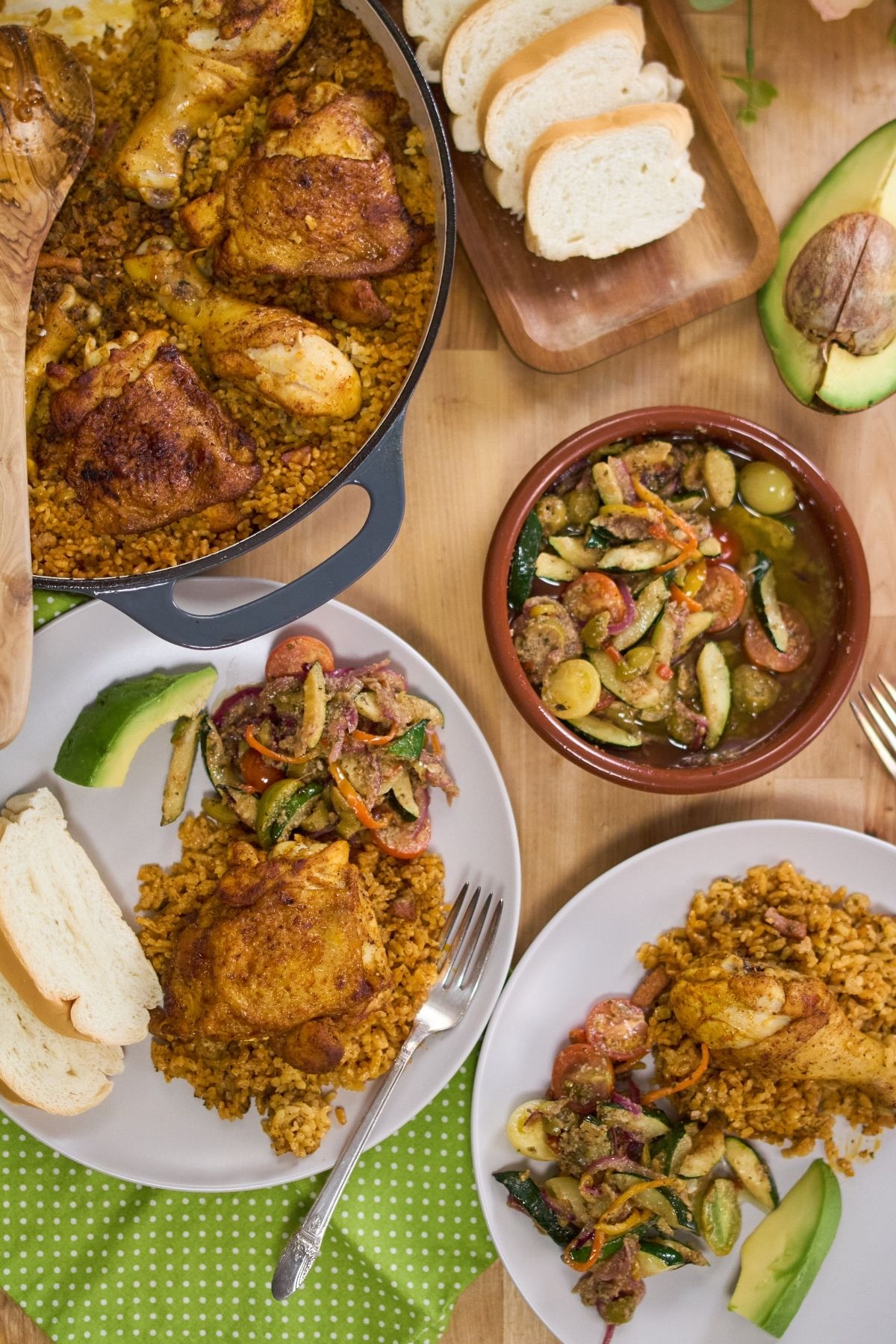
Puerto Rican Chicken and Rice is a one-pot meal that brings juicy chicken and rice together, comforting and nostalgic, full of the culture and warmth that come from sharing a meal.
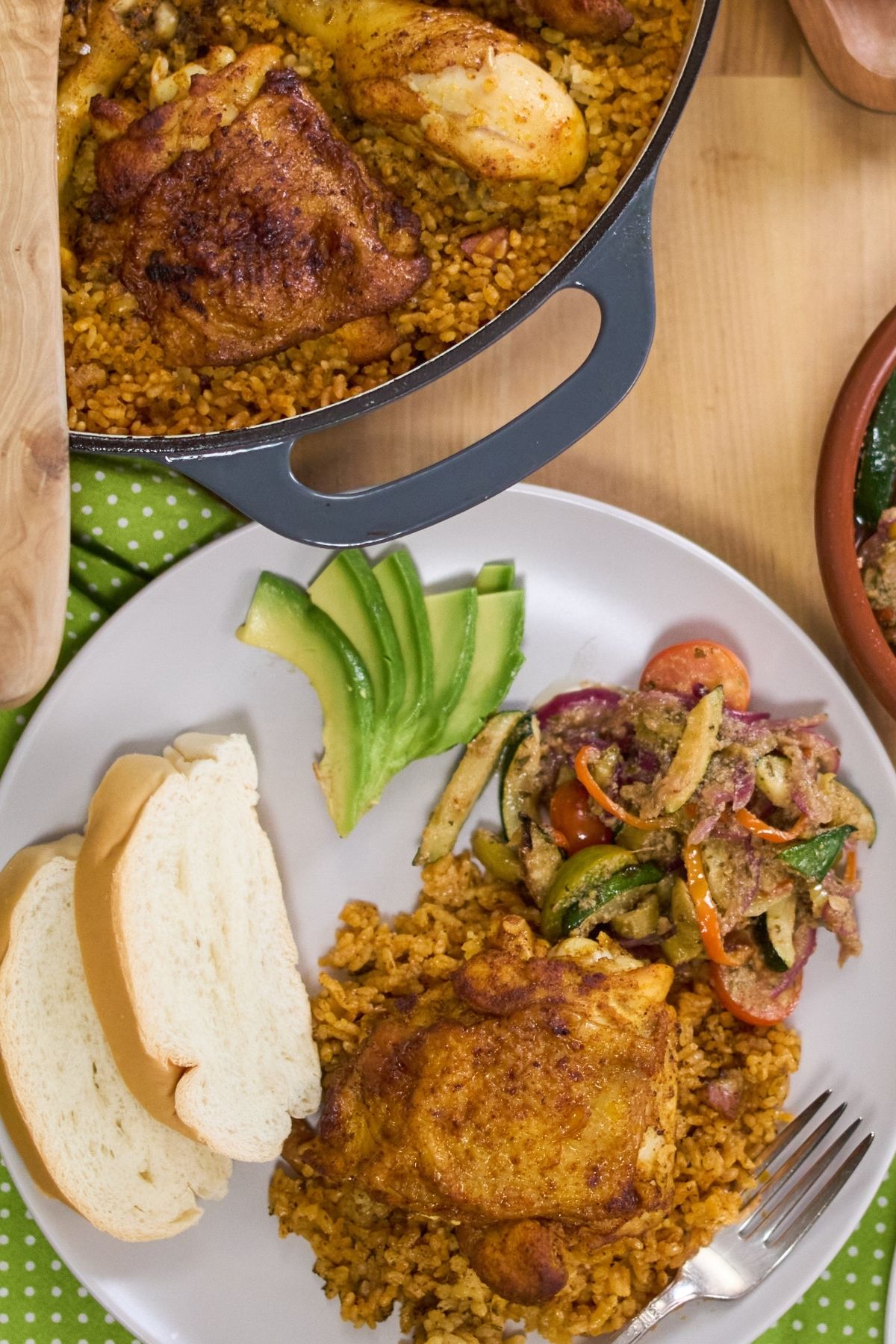
Puerto Rican Chicken and Rice is the go-to dish for busy times, satisfying hunger quickly with its hearty flavors. It brings warmth and invokes the feeling of family gatherings. Its comforting aroma and wholesome taste create an ambiance of togetherness, making it an ideal choice when a nourishing meal is needed without sacrificing taste or tradition.
Want more favorite One-Pot Meals? Try Pastelon or Piñón; these two dishes are similar but use different techniques. One leans on shepherd's pie and the other on lasagna, but they are delicious. Eggplant Lasagna uses eggplant slices instead of pasta but keeps the same traditional elements as lasagna. Sancocho is a hearty stew with viandas (root vegetables), beef, and chicken. Or Seafood Pomodoro, one of my favorite dishes that mixes all types of seafood in a savory tomato sauce served over linguine.
Jump To
Why this recipe works
- One pot turns a weeknight into something worth slowing down for. This meal goes from "what's for dinner" to the one everyone shows up for on time. Minimal cleanup, maximum payoff, and leftovers that taste even better the next day.
- Sofrito builds the flavor base first. Sautéing the sofrito before adding rice or liquid lets the aromatics fully bloom, so every grain of rice absorbs that flavor as it cooks.
- Browning the chicken renders fat and builds fond. Searing the chicken before adding the rice leaves browned bits and rendered fat at the bottom of the pot, giving the dish a deeper, savory backbone instead of a flat, boiled taste.
- The reward is pegao. Keep the rice low, covered, and unstirred; once the liquid is absorbed, the bottom layer turns into crisp, toasted rice. Everyone will want a piece and won't be able to get enough.
Ingredient Notes
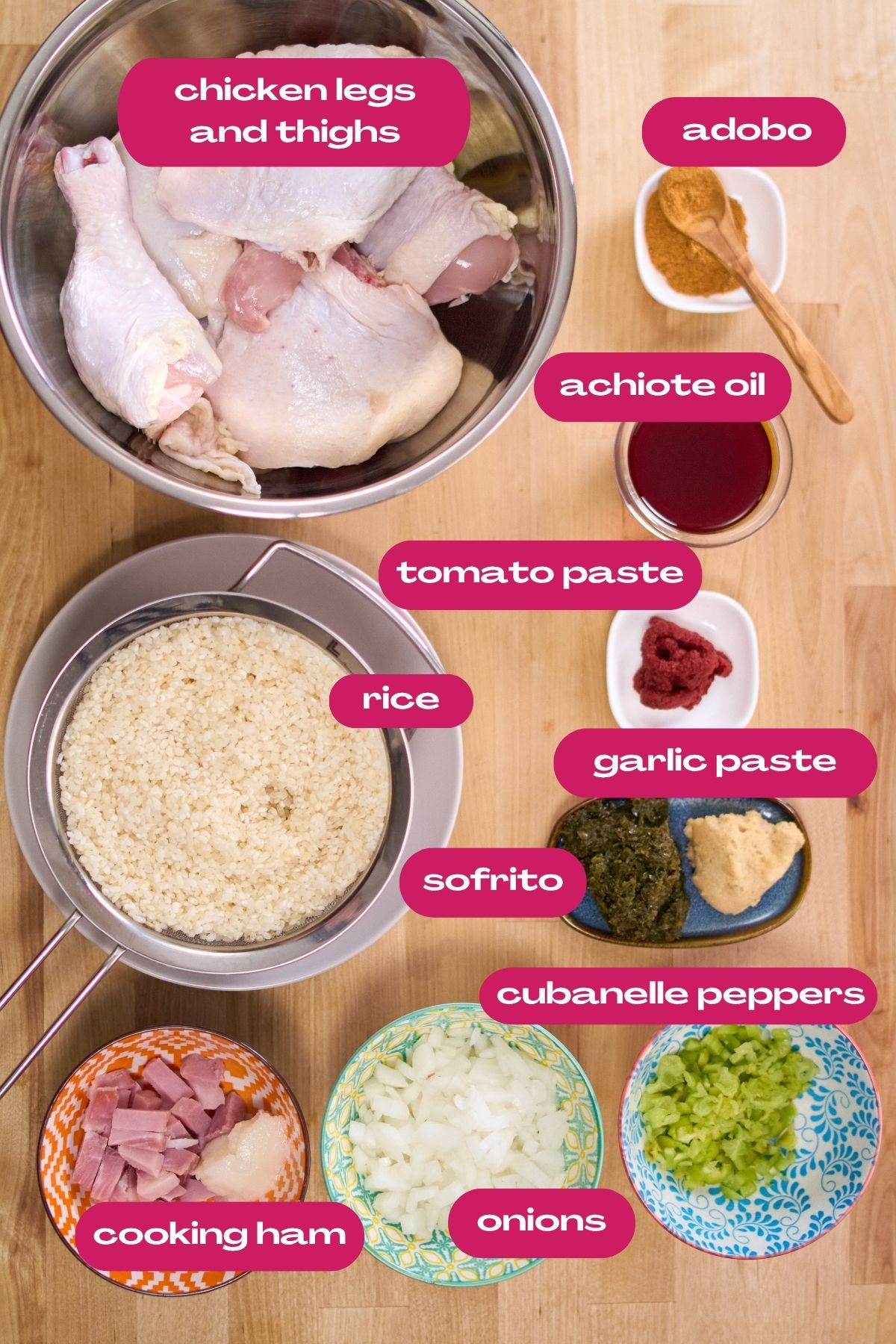
- Rice: Traditionally, short-grain rice is used for this and many other rice dishes in Puerto Rico. However, this dish can be made with a variety of rice. Jasmine rice has a sweet, flowery aroma that blends well with anything you cook.
- Chicken: This recipe works well with a whole chicken cut into eight pieces, or, in this case, I used skin-on chicken thighs and drumsticks for added flavor and fat.
- Achiote Oil: This is the source of color and flavor. Achiote is like the poor man's saffron. It costs much less than saffron and provides rich color. The aroma and color are a bit smoky, reminiscent of saffron. In my post on Achiote Oil, I covered the basics of achiote and how to make this oil.
See my recipe card below for a complete list of the ingredients with measurements.
Variations and Substitutions
- Meats: This recipe is made with bone-in chicken thighs and drumsticks. However, you can use boneless/skinless chicken (thigh, breast, or a combination of both), ham (also used in this recipe), Vienna sausages, chorizo, or even a diced center-cut boneless pork chop as a great substitute.
- Vegetables: Corn, peas, diced carrots (frozen or canned). If you add frozen or canned vegetables, add them after the liquid. These vegetables are already cooked, so add them at the end to avoid overcooking. For fresh, raw vegetables, add them with the onions and sofrito so that they soften and impart their fragrance to the rice.
- Spices: If you have saffron and not Achiote oil, add two to three strands of saffron to your rice. Add it when you add the onions to draw out the saffron's color and flavor.
- Cooking Liquid: Water is the cheapest and most accessible ingredient to make this recipe. Sautéing the vegetables releases their juices and flavors the rice with just water. However, I like to use chicken broth to enhance the chicken flavor throughout the rice. Another option is a chicken flavor cube, but be aware these can be salty at times. When I use a flavor cube or bouillon cube, I add it with the sofrito before adding the rice. This allows the cube to soften and melt, which helps to incorporate the flavor throughout the dish.
How to make Puerto Rican chicken and rice
Here are the step-by-step instructions to make Arroz con Pollo
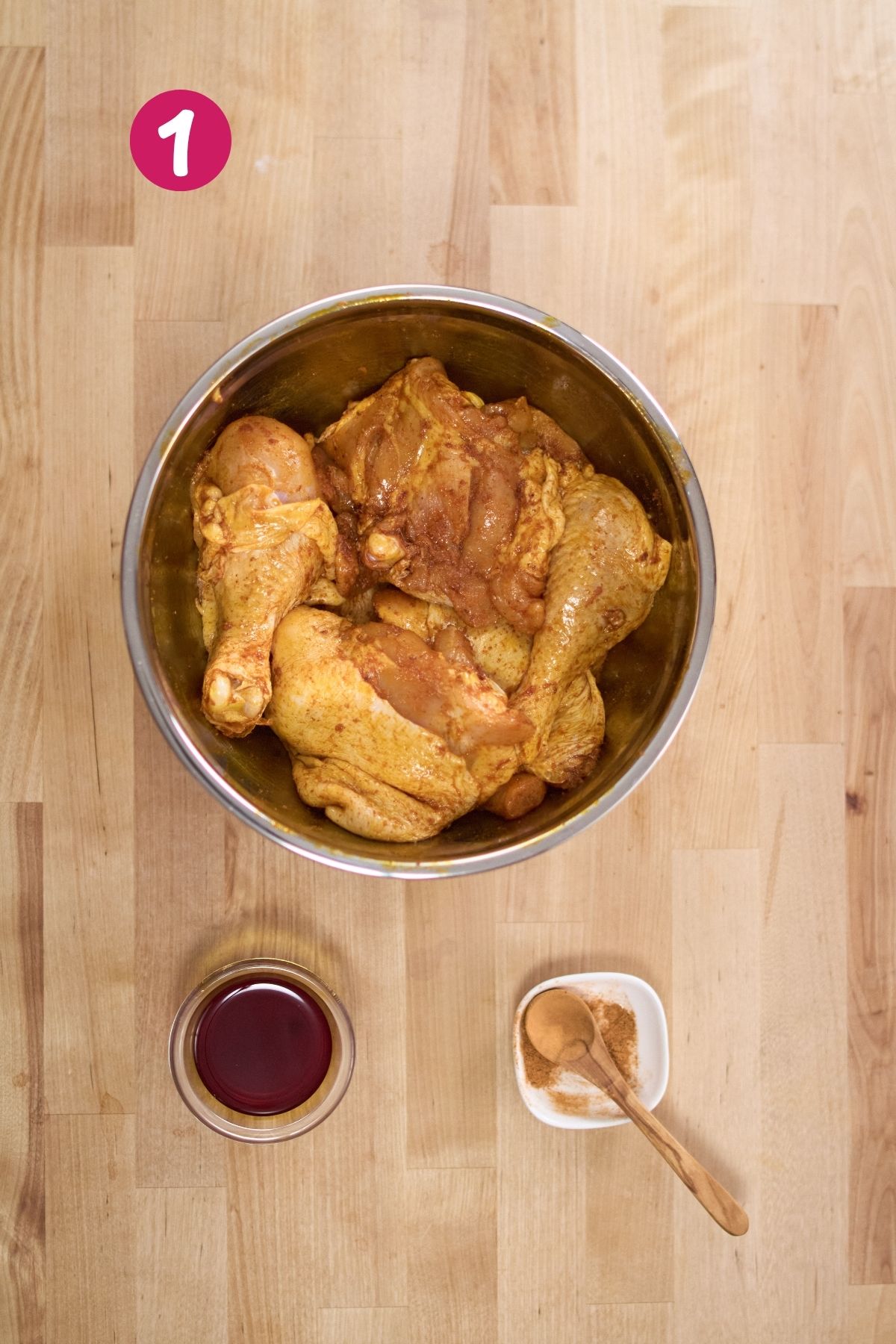
- Season the chicken: Season and marinate the chicken in advance if possible. Use adobo and a little achiote oil. Allow it to marinate for at least 30 minutes at room temperature or overnight. Marinating overnight will make the chicken stand out and develop its own flavor.
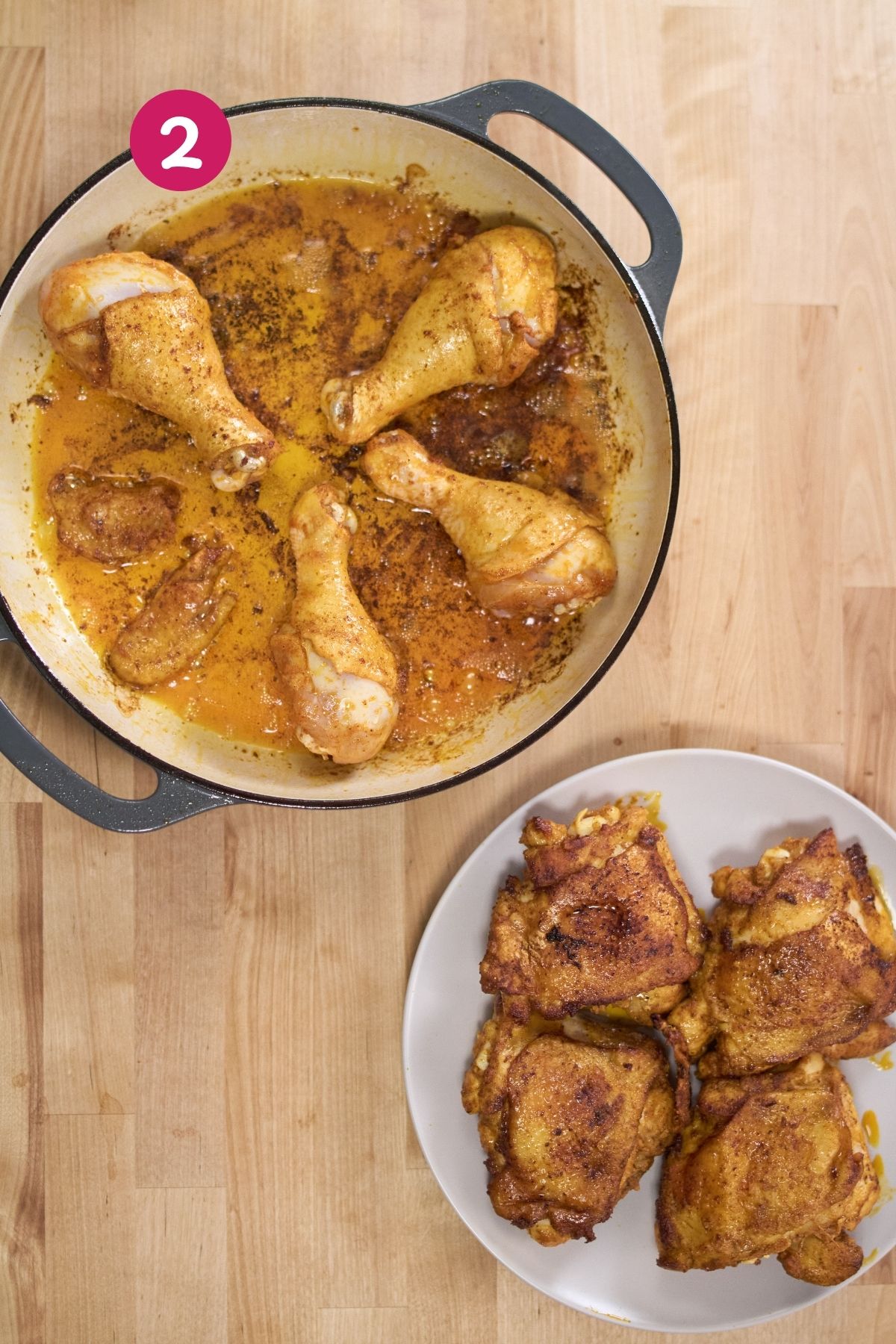
- Sear the chicken: Sear the chicken in sections in the pan you will use for the rice over medium to medium-high heat. I like using my Lodge cast-iron Dutch oven because it makes for a great presentation, and I can put it in the oven to hold or reheat. This step introduces the chicken flavor early into the dish, which the rice will absorb as it cooks. Once the chicken browns on all sides, remove it from the pot and set aside.
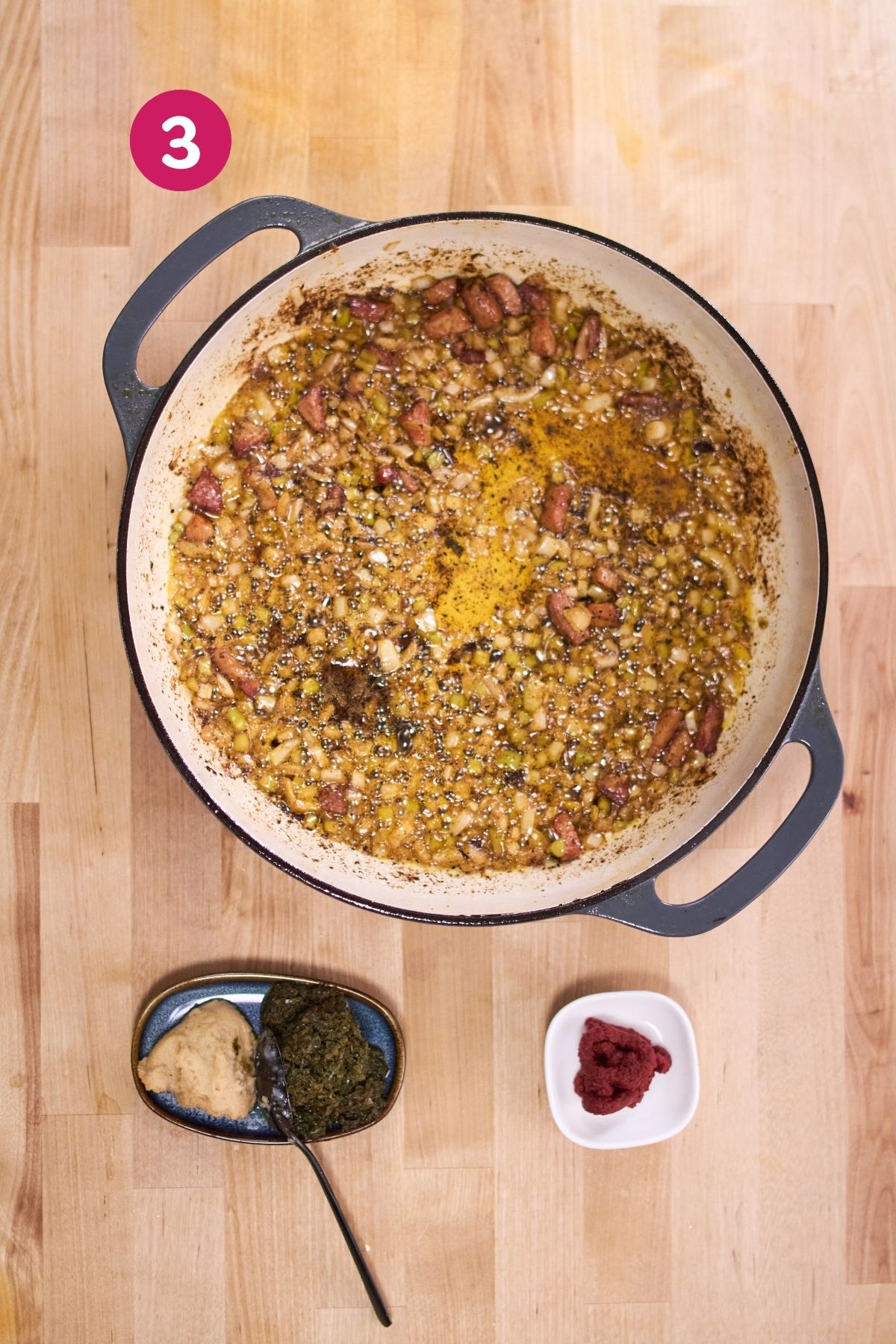
- Aromatics: Add the cooking ham and brown it, then add the onions and sauté until translucent. Once these are browned, add sofrito, garlic paste, and tomato paste for a quick caramelization of flavors.
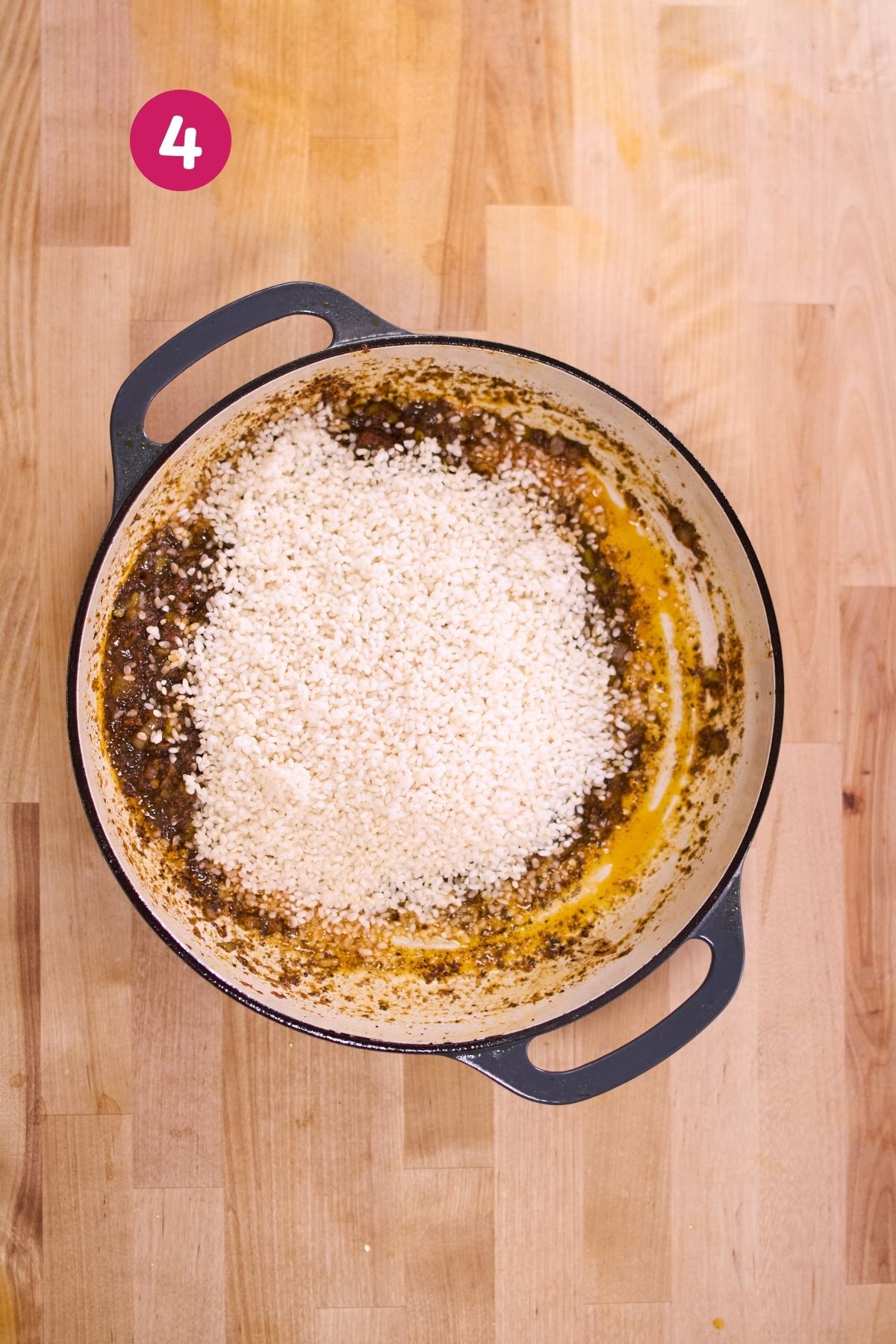
- Toasting the rice: Add rice and achiote oil. Toss the rice in the oil to coat the grains and absorb the flavors.
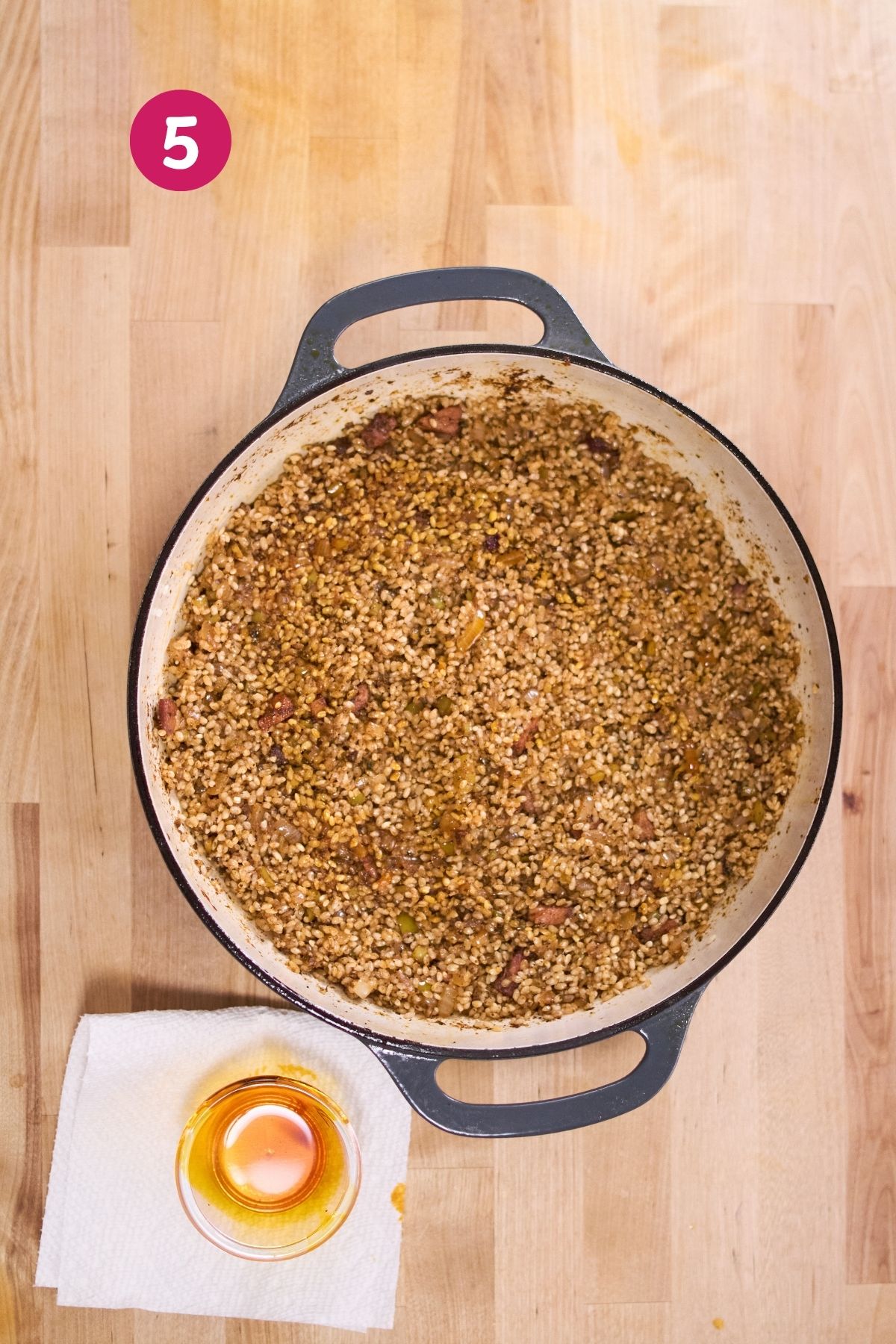
- Adjust for color: If your rice seems a bit more pale, add another tablespoon of achiote oil.
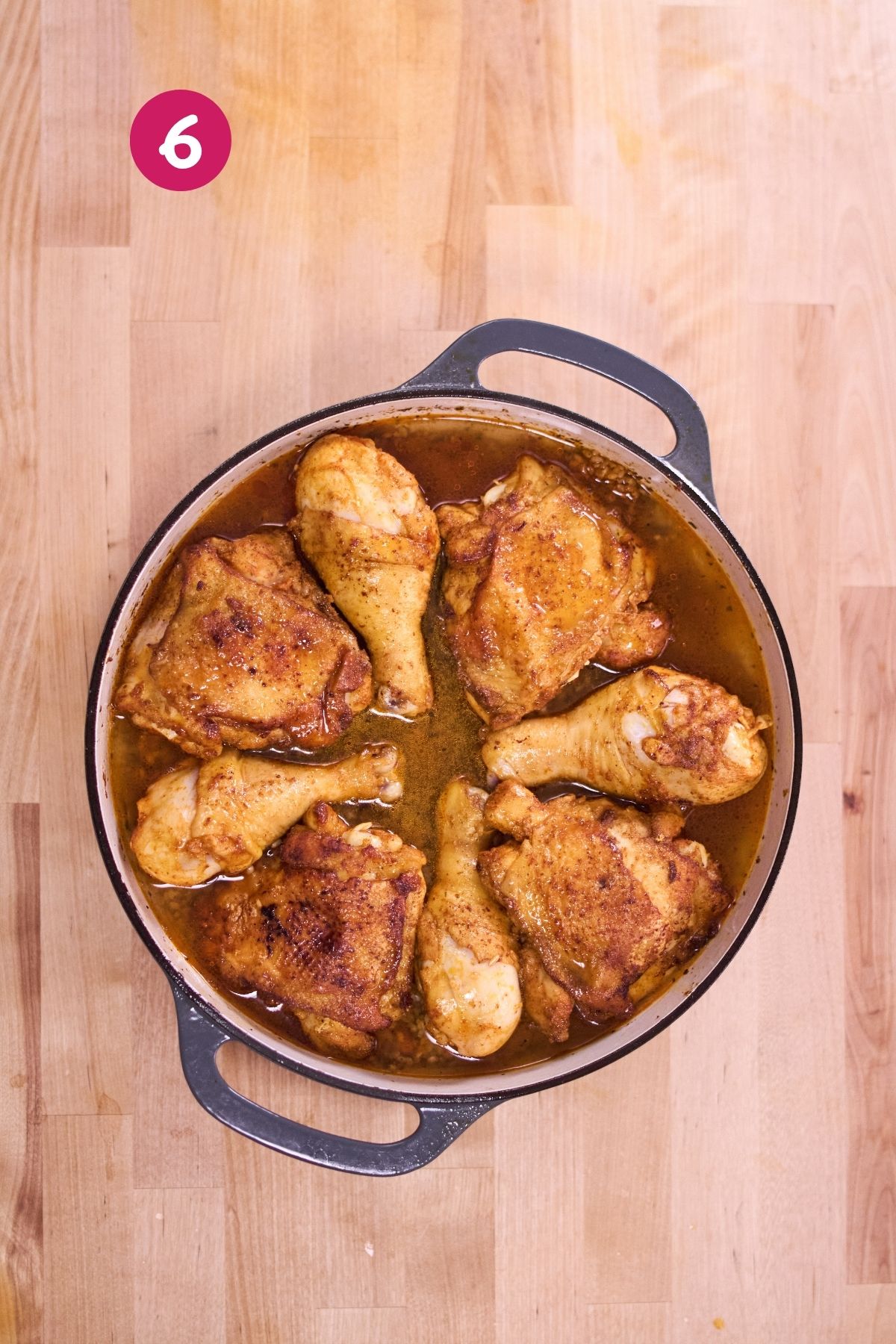
- Putting it all together: Add the broth or water. Taste and adjust flavors with salt, pepper, or adobo. Add the chicken pieces to the top of the pot, along with any residual juices from the plate where the chicken was resting. Cook uncovered for about 5 minutes.
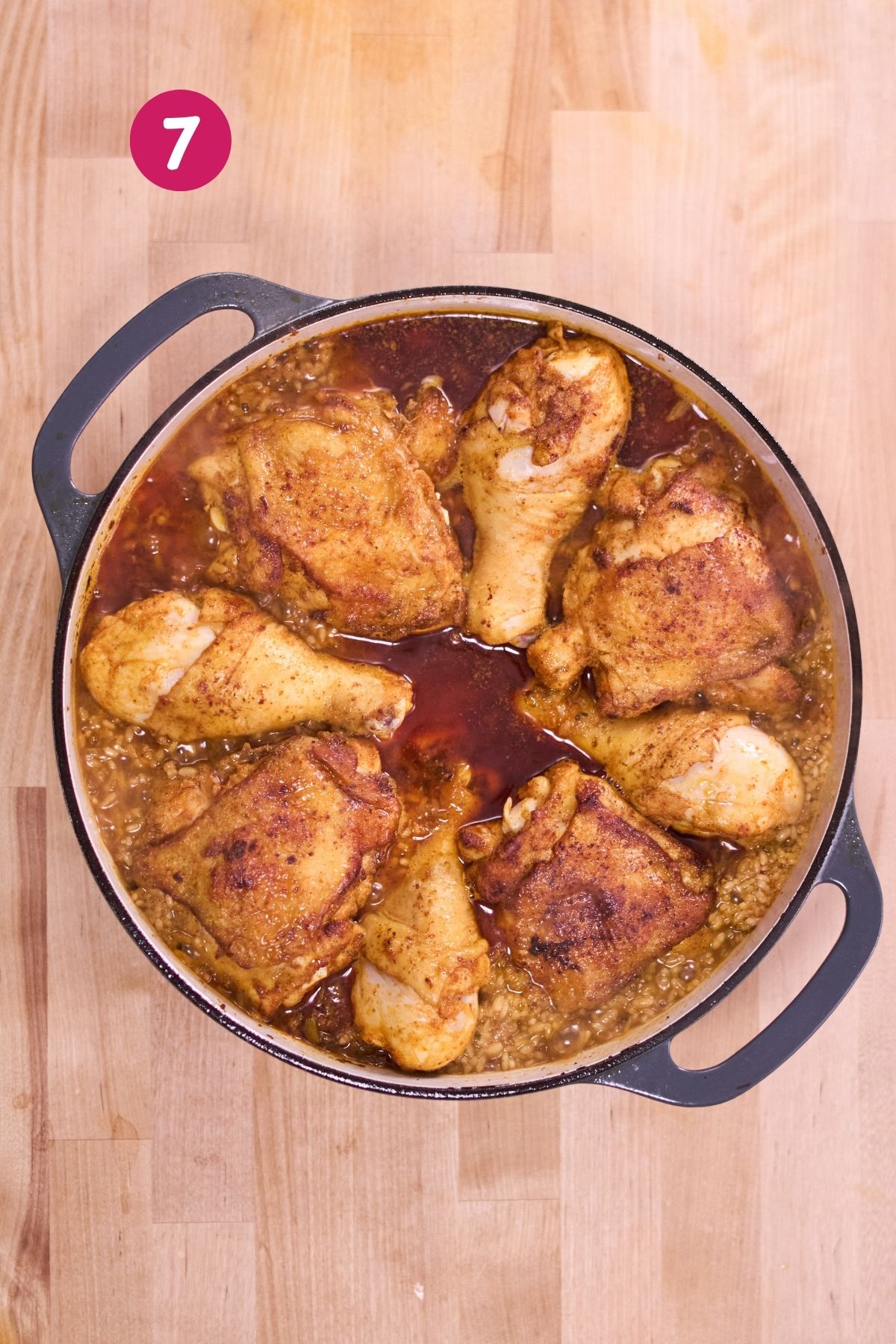
- Cover: Cover the rice once the liquid begins to absorb and the rice starts to peek through, but there is still liquid in the pot. Lower the heat to the lowest setting and cook for about 15 minutes. You can cover the rice with banana leaves for a touch of pasteles aroma.
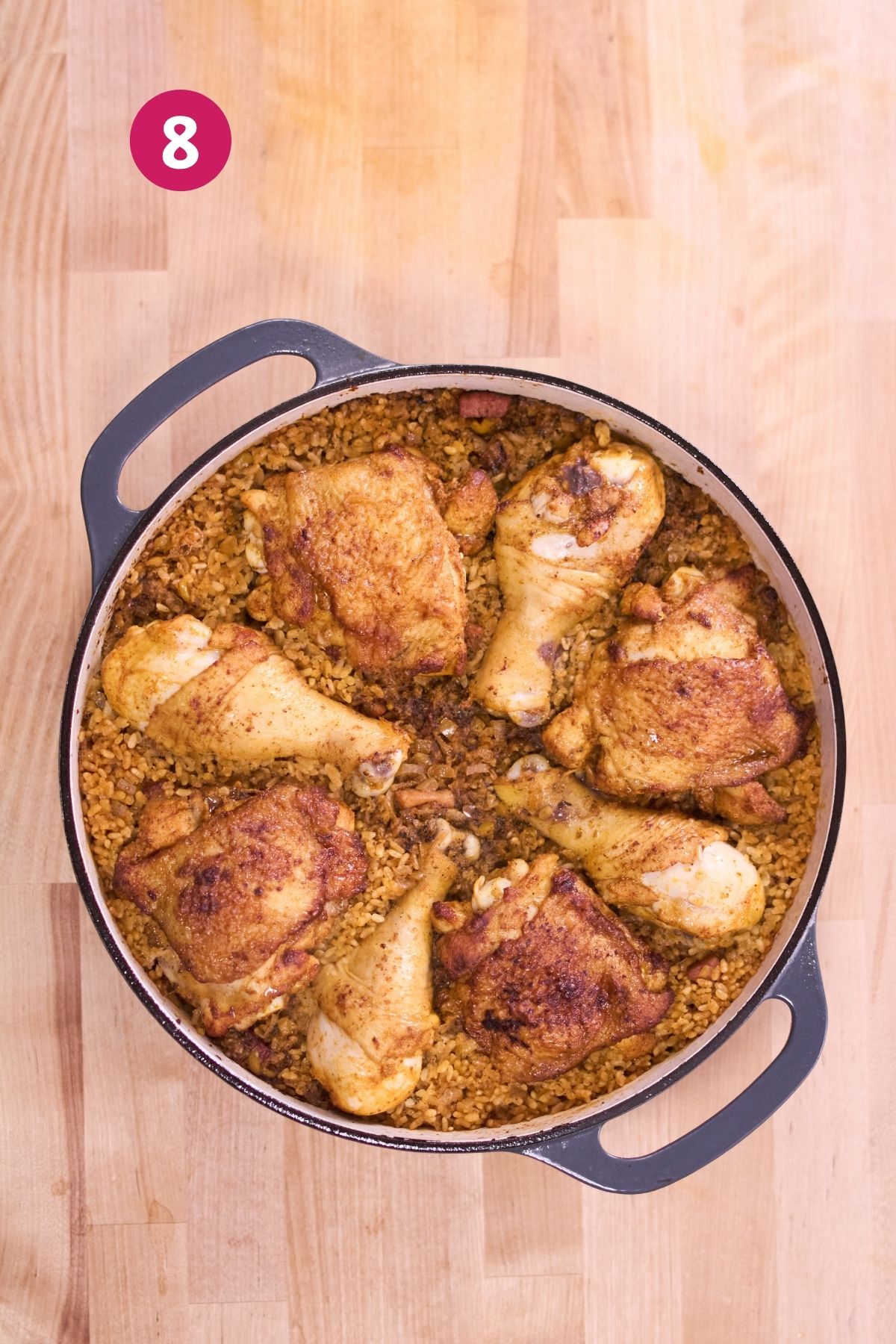
- Fluff: The pot may be crowded with chicken, but use a fork to fluff the rice and test for doneness. If the rice still needs a bit longer, add about a quarter cup of water, cover, and let it cook on the lowest setting for another 5 minutes. Once cooked, let the rice rest covered off the heat for 5 minutes before serving.
Expert Tips
- Wash the rice: There is much debate about whether to wash rice. And I have to say, I do not see much difference in the final product. I grew up sorting through rice to remove unwanted twigs, small stones, or discolored grains. After picking through the rice, we would wash and rinse it at least three times.
- To wash the rice: Place the rice in a bowl and fill with water to wash the rice. Toss the rice with your fingers for a few seconds, then pour the water onto your other hand while holding on to any grains that escaped with the water. Repeat three times.
- Water needed for cooking: I also grew up with the idea of 2 cups of water per cup of rice. However, I have always found that measurement gives me mushy rice. My experience has been to use the same amount of water as rice. So, for every cup of rice, use a cup of water. You can always adjust the water toward the end of cooking, but you can't remove excess water once you have added it.
- The rice isn't cooked: The basic formula that works for me is to cook the rice uncovered for about 5 minutes over a roaring simmer. Then, lower the heat to low, cover it, and cook it for 10 to 15 minutes. Check for doneness and allow it to sit covered for 5 minutes away from the heat.
- If the rice was still mostly raw: then there was not enough water to begin with. Add another one to two ounces (about a quarter of a cup), and cook for an additional five to ten minutes.
- Tomato Paste: Cooking the tomato paste with the Sofrito will caramelize it, giving it a bit of depth and sweetness. I use tomato paste more often than tomato sauce, so I don't always have tomato sauce available. If you do have tomato sauce and not paste, just use one to two tablespoons instead of tomato paste.
Recipe FAQs
Arroz con Pollo is a one-pot dish. The chicken is seared in the same pot as the rice will be cooked.
Allowing ingredients to marinate, and to cook before adding other ingredients. For example: marinate the chicken ahead of time, at least 30 minutes ahead. Render the flavors of aromatic vegetables like onions or peppers (if using) before adding Sofrito. Likewise, allow the Sofrito to cook for about a minute before moving on to the next step.
Yes. Although some rice might have their particular needs while cooking, all types of rice may be used. I grew up eating short-grain, however, my mother ended up favoring jasmine towards her late age, and that is the rice we have been using for a while in our household.
Both are rice dishes cooked with meat, but the techniques set them apart. Paella is cooked in a wide, shallow pan, traditionally over an open fire, and it's left uncovered and stirred so the rice cooks in a thin layer. Arroz con pollo is cooked in a deeper pot with a lid: the liquid goes in at once, then it's covered and cooked low so the rice steams until fluffy. The flavors differ too. Paella gets its color and aroma from saffron, while Puerto Rican arroz con pollo builds on sofrito and chiote. Both can develop a crisp bottom layer, called socarrat in paella and pegao in arroz con pollo.
More Traditional Puerto Rican Classics
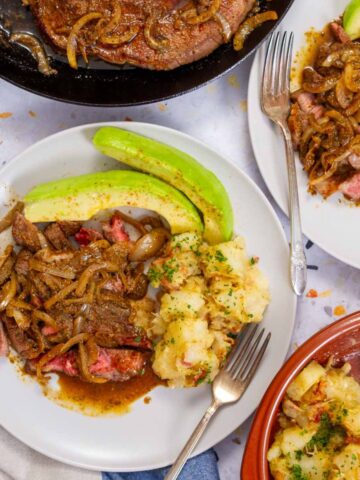
- Biftec Encebollado (Puerto Rican Steak and Onions)
- Arroz Amarillo, Puerto Rican Yellow Rice
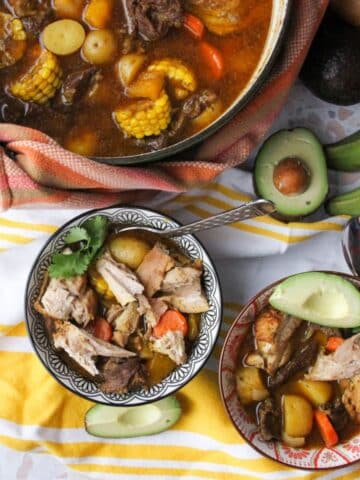
- Sancocho, Puerto Rican Stew
- How To Cook Dried Beans


I'd love to hear from you! Did you try this recipe? Leave a review and rating below. Let's connect on Instagram, and don't forget to join my weekly email list for fresh new recipes.
📖 Recipe
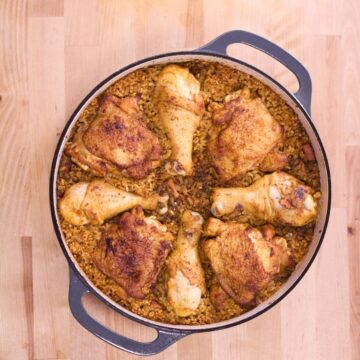
Puerto Rican Chicken And Rice (Arroz Con Pollo)
Equipment
Ingredients
- 8 pcs bone-in chicken thighs and legs boneless/skinless work as well, the cooking time will be slightly less.
- 2 tablespoon adobo
- 2 tablespoon achiote oil
- 1 oz cooking ham optional, could also be substituted with bacon
- 1 cup onion small diced. (1 small onion or half of large)
- ½ cup Cubanelle pepper small diced. (about 1 pepper)
- 1 tablespoon garlic paste
- 1 tablespoon sofrito
- 1 tablespoon tomato paste or tomato sauce
- 1½ cups rice
- 1 ½ cup chicken broth or water
Instructions
- Season the chicken: Season and marinate the chicken in advance if possible. Use adobo and a little achiote oil. Allow it to marinate for at least 30 minutes at room temperature or overnight. Marinating overnight will make the chicken stand out and develop its own flavor.8 pcs bone-in chicken thighs and legs, 1 tbsp adobo, 1 tbsp achiote oil
- Sear the chicken: Sear the chicken in sections in the pan you will use for the rice over medium to medium-high heat. This step introduces the chicken flavor early into the dish, which the rice will absorb as it cooks. Once the chicken browns on all sides, remove it from the pot and set aside.
- Aromatics: Add the cooking ham and brown it, then add the onions and Cubanelle pepper, and sauté until translucent. Once these are browned, add sofrito, garlic paste, and tomato paste for a quick caramelization of flavors.1 oz cooking ham, 1 cup onion, ½ cup Cubanelle pepper, 1 tbsp garlic paste, 1 tbsp sofrito, 1 tbsp tomato paste
- Toasting the rice: Add rice and achiote oil. Toss the rice in the oil to coat the grains and absorb the flavors.1 tbsp achiote oil, 1½ cups rice
- Adjust for color: If your rice seems a bit more pale, add another tablespoon of achiote oil.
- Putting it all together: Add the broth or water. Taste and adjust flavors with salt, pepper, or adobo. Add the chicken pieces to the top of the pot, along with any residual juices from the plate where the chicken was resting. Cook uncovered for about 5 minutes.1 ½ cup chicken broth, 2 tbsp adobo
- Cover: Cover the rice once the liquid begins to absorb and the rice starts to peek through, but there is still liquid in the pot. Lower the heat to the lowest setting and cook for about 15 minutes. You can cover the rice with banana leaves for a touch of pasteles aroma.
- Fluff: The pot may be crowded with chicken, but use a fork to fluff the rice and test for doneness. If the rice still needs a bit longer, add about a quarter cup of water, cover, and let it cook on the lowest setting for another 5 minutes. Once cooked, let the rice rest covered off the heat for 5 minutes before serving.

Notes
- Wash the rice: There is much debate about whether or not to wash the rice. I grew up sorting or picking through the rice for undesirable twigs, small stones, or off-color rice grains. After picking through the rice, we would wash and rinse it at least three times.
- To wash the rice: Place the rice in a bowl and fill with water to wash the rice. Toss the rice with your fingers for a few seconds, then pour the water onto your other hand while holding on to any grains that escaped with the water. Repeat three times.
- Water needed for cooking: It has been my experience to use the same amount of water as rice. So, for every cup of rice, use a cup of water. You can always adjust the water towards the end of the cooking process, but you can't remove the excess water once you have added it.
- The rice is not cooked: The basic formula that has worked for me has been to cook the rice uncovered for about 5 minutes, with a roaring simmer. Then, lower the heat to low, cover it, and cook it for 10 to 15 minutes. Check for doneness and allow to sit covered for 5 minutes away from the heat.
- If the rice was still mostly raw: then there was not enough water to begin with. Add another one to two ounces (about a quarter of a cup), and cook for an additional five to ten minutes.
- Tomato Paste: Cooking the tomato paste with the Sofrito will start to caramelize the tomato paste giving the paste a bit of taste and sweetness. I use tomato paste over tomato sauce often, so I do not have tomato sauce available all the time. If you do have tomato sauce and not paste, just use one to two tablespoons instead of tomato paste.